

Last Updated: November 16, 2026
Quick Summary
Look for dull or rough patches, stains that will not clean off, chips along the rim or floor, hairline cracks, and peeling near the drain or edges. Cosmetic wear usually means tub refinishing is the right fix, while cracks that flex or rust bleeding through point to replacement.
- Clean and dry the tub first, since soap scum and hard-water film can mask real damage.
- Inspect under raking light, holding a flashlight low so hairline cracks and dull patches show.
- A crack that flexes when pressed or shows rust along its edges may be structural.
- Small chips that do not expose the substrate are usually cosmetic and suitable for refinishing.
- Refinishing typically lasts several years with proper care, while a new tub can last decades.
Table of Contents
- Visual Signs Your Bathtub Needs Refinishing
- Step-by-Step Diagnostic Process for Surface Damage
- How to Repair Chipped Bathtub Enamel Before Refinishing
- Stains, Rust and Discoloration: When Cleaning Is Not Enough
- Bathtub Reglazing vs Replacement: Pros and Cons
- How Long Does Bathtub Refinishing Last and Should You Refinish Your Shower Tiles Too?
- Booking Your Tub Assessment With Century BathTubs
- Frequently Asked Questions
Visual Signs Your Bathtub Needs Refinishing
Most tub problems show up first on the surface. If your tub looks worn, dull, or stained, it may be ready for refinishing.
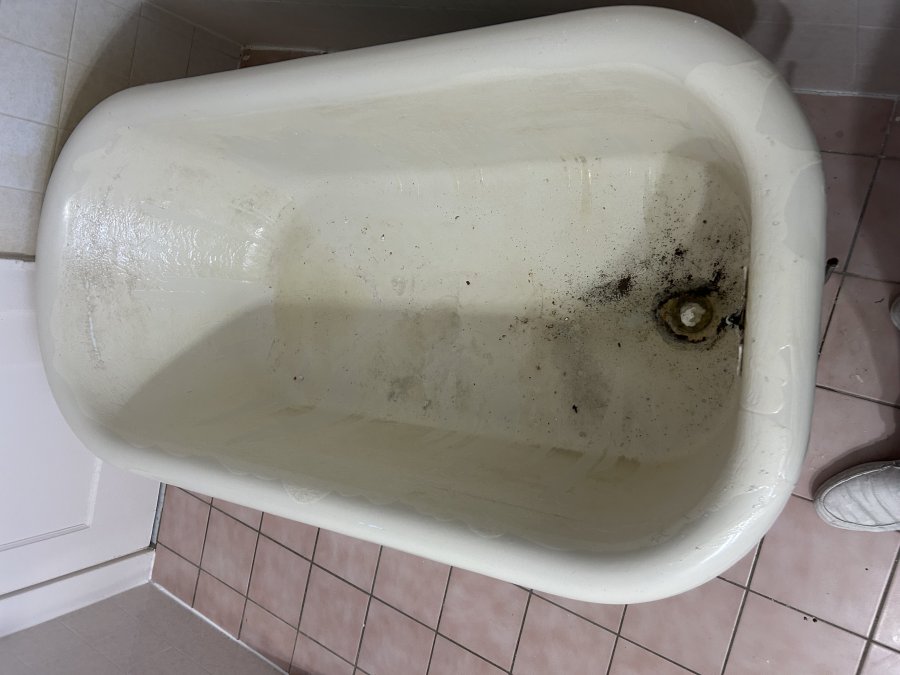
Start with a close look under bright light. Surface wear is easier to spot when light hits the finish at an angle.
Watch for these common signs:
- Dull or rough patches where the glossy finish has worn away
- Yellowing or stains that do not come out with regular cleaning
- Small chips along the rim or floor of the tub
Many homeowners in Toronto notice these changes after years of daily use. Hard water and frequent cleaning with harsh products can speed up the wear.
Chips, Cracks and Surface Damage
Chips and cracks are the most common damage we see. A small chip on the rim is usually a cosmetic problem. You can see the repair steps for chipped tubs to judge whether the damage is something you can fix yourself.
Check these areas carefully:
- The rim, where most daily wear happens
- The corners and the area above the drain
- Any spot where a heavy object has struck the tub
A chip that exposes the bare surface should be addressed soon. Water that gets into the gap can cause further damage over time.
Peeling or Flaking Coating
Peeling is a clear sign that the coating has lost its bond with the tub. You may notice thin sheets lifting at the edges or small flakes falling into the drain.
Peeling is not something to ignore. A loose coating can catch more water and dirt, and it often spreads. If you see it, plan for refinishing or repair before the problem grows.
Step-by-Step Diagnostic Process for Surface Damage
A proper diagnosis goes beyond a quick glance. The process below helps you distinguish cosmetic wear from damage that threatens the tub’s integrity, and it accounts for the material your tub is made from, because cast iron, steel, acrylic, and fiberglass each fail in different ways.
Clean and dry the tub completely. Soap scum and hard-water film can mask cracks and peeling edges. Use a non-abrasive cleaner, rinse thoroughly, and wipe dry. In Toronto, hard water leaves mineral deposits that can look like surface damage but often sit on top of the finish, cleaning first prevents false alarms.
Inspect under raking light. Hold the flashlight low against the surface so light skims across it. This reveals hairline cracks, dull patches, and uneven texture that are invisible under overhead lighting. Pay particular attention to the floor of the tub, the rim, and the area around the drain, these are the highest-wear zones.
Feel for texture changes. Run your fingers (or a thin cloth) over the entire surface. Roughness, lifted edges, or a gritty feel indicate coating failure. On acrylic and fiberglass tubs, a soft or spongy spot can signal delamination or water intrusion beneath the surface, a more serious issue than a surface chip.
Map and measure each defect. Note the location, size, and depth of every chip, crack, stain, and peel. For cracks, check whether the crack runs through the coating only or extends into the tub material. A crack that catches a fingernail or shows movement when pressed is structural; a hairline crack in the glaze is usually cosmetic. This distinction drives the repair-versus-replace decision.
Test coating adhesion at the edges. Gently press near any lifted or peeling coating. Firm, tight edges suggest the failure is localized. If the coating lifts easily or crumbles, the bond has failed across a wider area, and spot repair will not hold.
Check for rust and corrosion. Rust stains around the drain, overflow, or faucet often mean water has reached the steel or cast-iron substrate. On cast iron tubs, rust bleeding through the enamel is a sign the porcelain layer is compromised. On steel tubs, rust spots can spread beneath the coating. Both warrant professional assessment before refinishing.
Assess the material-specific risk. Cast iron tubs are heavy and durable but prone to enamel chipping and rust once the surface is breached. Steel tubs are lighter and more prone to flexing, which can crack the coating. Acrylic and fiberglass tubs are vulnerable to scratches, dulling, and flex cracks; they also cannot tolerate the same high-heat refinishing processes as metal tubs. Knowing your tub’s material tells you which repairs are feasible and which coatings will bond properly.
Factor in local conditions. Toronto’s older housing stock often includes original cast-iron tubs with decades of wear. Seasonal humidity swings and poor bathroom ventilation can accelerate coating failure and trap moisture behind peeling edges. Hard-water deposits are common across the GTA and can mask or mimic surface damage. If your tub is in a basement or a bathroom with limited ventilation, moisture-related damage is more likely.
Decide your next step. Small, isolated chips on a sound substrate can often be repaired and then refinished. Widespread peeling, multiple cracks, rust penetration, or a soft substrate usually calls for full refinishing or replacement. Keep your notes and photos, they will help a professional give you an accurate assessment and quote.
Watch out: Do not assume a crack is cosmetic just because it is thin. A crack that flexes when you press near it, or one that has rust staining along its edges, can indicate substrate damage that refinishing alone will not fix.
How to Repair Chipped Bathtub Enamel Before Refinishing
Repairing small chips before you refinish helps the new coating bond well. Skipping this step can leave weak spots that show up later.
Here is a basic approach for small chips:
- Clean the chip and the area around it with a degreaser
- Sand the edges lightly so the repair material can grip
- Apply a bathtub repair kit made for your tub material
Repair kits work best on small damage. Large or deep chips, especially on older cast iron tubs, often need a professional to assess them.
Watch out: Do not use a standard household filler on a tub. It may not hold up to water and daily use.
Stains, Rust and Discoloration: When Cleaning Is Not Enough
Some stains lift with a good scrub. Others sit deep in the coating and will not come out.
Try a gentle cleaner first. If the stain stays, it may be part of the finish itself. At that point, cleaning will not fix it, and refinishing becomes the better option.
Yellowing is common in older tubs. It usually comes from years of exposure to hard water, soap, and heat.
Bathtub Reglazing vs Replacement: Pros and Cons
The right choice depends less on the tub’s age and more on three factors: the condition of the substrate, the extent of surface damage, and whether a previous coating is failing. Before committing, you can compare the main alternatives to reglazing side by side. In Toronto’s housing stock, many tubs are original cast iron or steel that can last decades if the surface is maintained, but a tub with structural cracks or a soft, water-damaged base is a replacement candidate regardless of how good the surface looks.
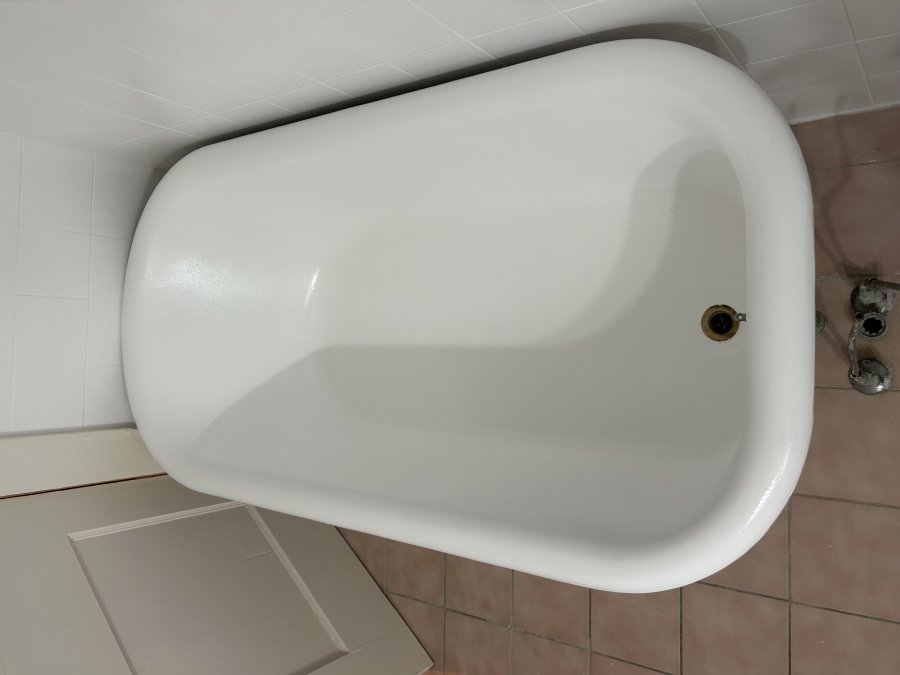
A practical damage-severity guide
Use these thresholds to frame the decision:
- Cosmetic wear only (dullness, light staining, small chips that do not expose the substrate): refinishing is usually the right call. The tub is sound; the surface just needs renewal.
- Repairable surface damage (chips that expose the substrate, hairline cracks in the coating, localized peeling): spot repair followed by refinishing can work, provided the substrate is dry and stable.
- Structural or substrate damage (cracks that flex, rust bleeding through, soft or spongy spots on acrylic or fiberglass, leaks at the drain or overflow): replacement is the safer choice. Refinishing over a failing substrate traps moisture and leads to premature coating failure.
How to assess a previous refinishing job
If your tub was refinished before, inspect for these signs of poor adhesion or application:
- Bubbling or blisters, which indicate moisture or contamination under the coating
- Uneven texture or visible brush or roller marks
- Peeling that starts at the edges, drain, or overflow, common weak points
Recurring peeling in the same area usually means the original preparation was inadequate or moisture is entering from behind. In that case, a simple recoat will not last; the old coating may need to be removed and the substrate assessed before any new finish is applied.
Cost and decision economics in Toronto
Refinishing is generally less expensive than replacement, but the gap narrows when replacement involves plumbing updates, tile work, or disposal of a heavy cast-iron tub. A refinished surface also has a shorter lifespan than a new tub, typically several years with proper care, versus decades for a new fixture. Homeowners planning to stay long-term may find replacement more economical over time, while those preparing a home for sale or renting often choose refinishing for its lower upfront cost and minimal disruption.
Pros and cons at a glance
| Factor | Reglazing (Refinishing) | Replacement |
|---|---|---|
| Best for | Cosmetic wear, repairable chips, sound substrate | Structural damage, leaks, failed substrate, layout changes |
| Disruption | Minimal; typically one to two days | Significant; plumbing, tile, and disposal work |
| Lifespan | Several years with proper care | Decades |
| Material compatibility | Works on cast iron, steel, acrylic, and fiberglass with appropriate coatings | New tub material can be chosen to suit needs |
| Hidden risks | Failed previous coatings, moisture behind peeling edges | Plumbing surprises, disposal of heavy tubs, tile matching |
Pros of refinishing: lower upfront cost, less disruption, keeps existing layout and fixtures, extends the life of a sound tub.
Pros of replacement: fresh start, can change size or style, longer lifespan, resolves substrate problems permanently.
Cons of replacement: higher cost and labor, longer time without a usable bathroom, potential plumbing and tile work.
A good rule: refinish when the tub is sound but the surface is worn.
How Long Does Bathtub Refinishing Last and Should You Refinish Your Shower Tiles Too?
Lifespan depends on how the work is done, the products used, and how you care for the surface. Use gentle cleaners, avoid abrasive pads, and wipe the tub dry after use to help the coating last.
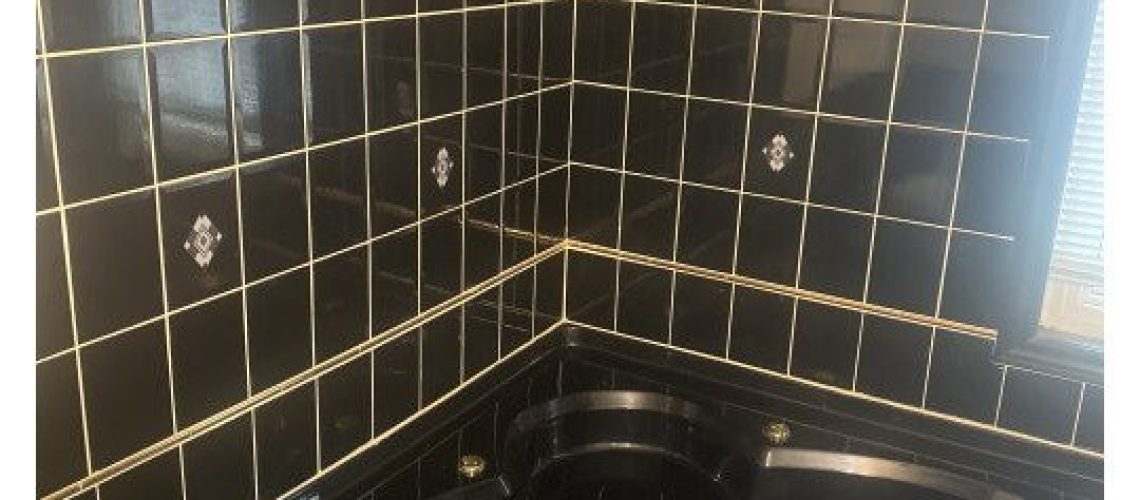
Many homeowners who refinish their tub also choose to refinish their shower tiles. Matching the two gives the bathroom a consistent, updated look. Ask your refinishing provider whether tile refinishing makes sense for your space.
Booking Your Tub Assessment With Century BathTubs
If you are not sure whether your tub needs refinishing, a professional assessment is the simplest next step. Century BathTubs provides bathtub refinishing and reglazing for homes and businesses across Toronto and the GTA.
Contact Century BathTubs for a FREE INQUIRY and get a clear answer on your tub’s condition and your options. For current pricing, reach out directly for a quote based on your tub’s size, condition, and scope of work.
Frequently Asked Questions
How do I know if my bathtub needs refinishing?
Look for chips that expose the base material, peeling or flaking coating, a dull or rough finish that no longer cleans well, and stains that persist after scrubbing. If the surface shows these signs across the tub rather than in one small spot, refinishing is usually worth assessing. A tub with cracks that reach the structure or leaks at the base needs a closer inspection before any coating work, since a new surface cannot fix structural problems.
Can a stained bathtub be refinished?
Yes. Stains, yellowing and discoloration sit in the top coating, so a refinished surface can look clean and bright again. Burn marks and deep rust stains that have reached the base may need repair before the new coating is applied. A professional can assess whether the stain is surface-level or has gone deeper and advise on the right preparation.
How long does bathtub refinishing last?
Century BathTubs provides a three-year hassle-free guarantee on its work, which reflects the expected durability of its EP-ACRYLIC coating system when the surface is properly prepared and cared for. Lifespan depends on the tub material, the condition of the surface before work began, and how it is cleaned afterwards. Avoid abrasive cleaners and harsh chemicals, which wear coatings down faster. For current details on the guarantee, contact Century BathTubs directly.
Is bathtub refinishing worth it in Toronto?
For many homeowners and property managers in Toronto, refinishing is a practical alternative to replacement when the tub structure is sound and the damage is limited to the surface. It avoids the disruption of a full removal and reinstallation and can be completed with a shorter time out of use. Pricing depends on the size of the tub, the extent of the damage and any repairs needed, so request a quote from Century BathTubs for an accurate figure for your bathroom.
