

Last Updated: October 23, 2026
Quick Summary
Clawfoot tub refinishing is the process of restoring a worn cast iron or steel tub by cleaning, repairing, and spraying a new bonded coating over the original surface instead of replacing the fixture. We inspect the tub, strip and repair the surface, mask the room, spray the coating, then let it cure. It usually takes one to two days from prep to cure.
- Preparation decides whether the finish lasts, since a rushed prep job shows up as peeling within months.
- We etch and prime the surface so the new coating has something to grip.
- Clawfoot tub reglazing sprays a durable coating such as our EP-ACRYLIC system in thin, even layers.
- Ask your refinisher for the exact cure window in writing, including when the tub can get wet versus take full weight.
- Skip abrasive powders and scouring pads, and use a soft cloth with a mild, non-abrasive cleaner instead.
Table of Contents
- Clawfoot Tub Refinishing Process: What Actually Happens
- Bathtub Refinishing Preparation: The Step That Decides the Result
- Applying the Coating: Clawfoot Tub Reglazing in Practice
- How Long Does Bathtub Refinishing Take?
- Clawfoot Tub Refinishing vs Replacement: Which Makes Sense
- Common Problems During Refinishing and How They Get Solved
- Caring for a Refinished Tub and Knowing When to Call a Pro
- Conclusion
- Frequently Asked Questions
Clawfoot Tub Refinishing Process: What Actually Happens
Clawfoot tub refinishing is the process of restoring a worn cast iron or steel tub by cleaning, repairing, and spraying a new bonded coating over the original surface instead of replacing the fixture. At Century BathTubs in Toronto, we have run this process since 1995, and it usually takes one to two days from prep to cure.
Here is the short version: we inspect the tub, strip and repair the surface, mask the room, spray the coating, then let it cure. The coating stage gets all the attention. The prep stage decides whether the finish lasts.
That order matters. A rushed prep job shows up as peeling within months. A careful one holds for years.
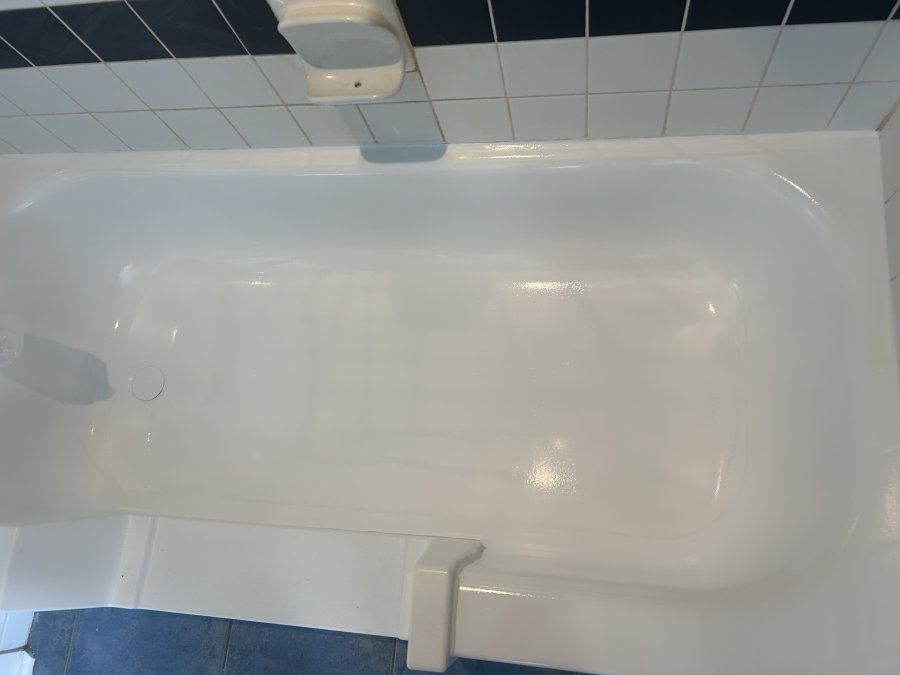
Bathtub Refinishing Preparation: The Step That Decides the Result
Preparation is where most of the work happens, and it is the step homeowners never see. Skip it and the new finish will chip, blister, or peel, no matter how good the coating is.
Cleaning, Stripping and Repairing the Surface
First, we remove old caulk, soap scum, and any previous coating. Then we strip the tub back to a sound surface.
Next comes repair. Cracks, chips, and rust spots get filled and sanded smooth. Deep damage on an old cast iron tub is often fixable, but we assess it honestly before promising anything.
Finally, we etch and prime the surface so the new coating has something to grip.
For a deeper walkthrough of these steps, see our guide on how to prepare a tub for reglazing.
Masking and Setting Up the Room
Masking protects everything the coating should not touch: tiles, fixtures, floors, and doorways. We seal the room and set up ventilation before any spray goes on.
Good masking is also what keeps the job clean. Overspray travels, and a careless setup means scraping dried coating off your tile grout later.
Our article on how to prepare your bathroom for tub refinishing covers what you can do before we arrive.
Applying the Coating: Clawfoot Tub Reglazing in Practice
Clawfoot tub reglazing means spraying a durable coating, such as our EP-ACRYLIC system, onto the prepared surface in thin, even layers. Each layer bonds to the one beneath it, and the finish builds up gradually rather than in one heavy pass.
We spray in a controlled pattern to avoid runs and thin spots. The tub’s curved feet, rolled rim, and drain area get extra attention because those spots take the most wear.
Between coats, we check for drips and uneven coverage. A missed spot now becomes a weak point later.
Once the final coat is on, the tub needs to cure undisturbed. That cure window is the one part of the schedule you cannot speed up.
How Long Does Bathtub Refinishing Take?
Bathtub refinishing usually takes one to two days of on-site work, plus a cure period before the tub can handle normal use. The prep and coating stages take most of that time.
A few things shift the timeline:
- Tub condition: heavy rust or deep cracks add repair time
- Access: tight bathrooms slow down masking and ventilation setup
- Cure time: the finish needs to harden before water or weight touches it
- Multiple units: landlords and property managers can book several bathrooms in one visit
For most Toronto households, the bathroom is out of service for a short window, not days on end. We plan the schedule around your family’s needs.
Ask your refinisher for the exact cure window in writing, including when the tub can get wet versus when it can take full weight. Those are two different dates, and using the tub too early is the most common cause of early damage.
Clawfoot Tub Refinishing vs Replacement: Which Makes Sense
Clawfoot tub refinishing vs replacement comes down to the tub’s structure. If the shell is sound and the damage is surface-level, refinishing restores the look for far less than a new tub and install. If the tub is cracked through, flexing, or leaking at the drain, replacement may be the better call.
Refinishing wins when:
- The tub is cast iron or steel with solid structure
- Damage is cosmetic: stains, dull finish, light chips
- You want to keep the original clawfoot character
- Budget and downtime matter
Replacement wins when:
- The shell is cracked through or structurally weak
- The tub leaks from the body, not the fittings
- You want a different size or layout
One more point in refinishing’s favor: older tubs can carry lead in the glaze. A new bonded coating seals that surface, which is a real safety benefit in older homes.
If you are weighing the two options, our bathtub refinishing service in Toronto explains cost factors, timing, and results so you can decide with clear information.
Common Problems During Refinishing and How They Get Solved
Problems do come up, and knowing them ahead of time keeps expectations realistic. Here is what we run into most and how each one gets handled:
| Problem | Cause | Fix |
|---|---|---|
| Peeling at the drain | Moisture trapped under coating | Strip, dry fully, reseal drain area |
| Rust bleeding through | Rust not neutralized in prep | Treat rust, prime, recoat |
| Visible drips or runs | Heavy spray pass | Sand smooth, respray thin coats |
| Faint brush or spray lines | Uneven coat overlap | Blend coats, polish finish |
| Chips at the rim | Tub used before full cure | Touch up, extend cure window |
Most of these trace back to prep or cure, not the coating itself. That is why we do not cut corners on either.
Our troubleshooting reference on common bathtub refinishing problems solved digs into each one.
Do not let anyone spray over a wet or damp tub. Trapped moisture under the coating causes blistering and peeling, and it often shows up weeks after the job looks finished.
Caring for a Refinished Tub and Knowing When to Call a Pro
A refinished tub needs gentler cleaning than a bare one. Skip abrasive powders and scouring pads. Use a soft cloth and a mild, non-abrasive cleaner instead.
A few habits keep the finish looking new:
- Rinse and wipe the tub after use
- Avoid leaving rubber mats or suction cups in place long-term
- Fix dripping taps quickly so water does not sit on one spot
- Never use the tub edge as a step
Call a pro if you see chips, dull patches, or lifting at the drain. Small issues are easy to touch up early. Left alone, they spread.
Our guide on how to clean a reglazed bathtub walks through the full care routine.
Conclusion
A clawfoot tub that looks past saving is often just a prep job away from a second life. The process is not complicated, but it is unforgiving of shortcuts, and that is exactly why the prep stage gets our full attention.
Century BathTubs has refinished tubs and shower tiles across Toronto and the GTA since 1995. We do any kind of bathtubs and shower tiles refinishing. We are licensed and insured, we use a durable EP-ACRYLIC coating system, and every job carries a three-year hassle-free guarantee. If you are searching for bathtub refinishing near you, we can assess your tub and tell you honestly whether refinishing or replacement makes more sense.
Get started with Century BathTubs and bring your clawfoot tub back to a finish you are glad to show off.
Frequently Asked Questions
Can a cast-iron clawfoot tub be reglazed?
Yes. Cast iron is one of the best candidates for clawfoot tub reglazing because the tub body is solid and the worn surface is only the top layer. A technician strips the old finish, repairs chips and rust spots, then sprays on a new coating. The main limit is structural damage: deep cracks that go through the iron itself, or a tub that flexes when you stand in it, need assessment before anyone promises a result. Surface wear, fading and discoloration are routine fixes.
How long should you wait to use a tub after it is refinished?
Most coatings need a full cure before water contact, and the wait is usually measured in days rather than hours. Light use may be possible sooner, but heavy use, standing water and cleaning products should wait until the coating has hardened completely. Ask your provider for the exact timeline for the coating they use, and follow it strictly. Using the tub too early is one of the most common reasons a new finish fails prematurely.
How do professionals prepare a clawfoot tub for refinishing?
Bathtub refinishing preparation starts with cleaning and degreasing the entire surface, then stripping or sanding the old finish so the new coating can bond. Chips, cracks and rust spots get filled and sanded smooth. The surrounding tiles, floor and fixtures are masked off, and ventilation is set up. Prep usually takes longer than the coating application itself, and skipping steps here is the main reason refinishing jobs peel or blister later.
Is it better to refinish a clawfoot tub or replace it?
For a solid cast-iron or heavy-gauge tub with surface wear only, refinishing is usually the more practical choice. It keeps the original fixture, avoids demolition and plumbing changes, and takes far less time than a replacement. Replacement makes more sense when the tub is structurally failing, you want a different size or layout, or the surrounding bathroom is being renovated anyway. An on-site inspection is the only reliable way to decide.
