
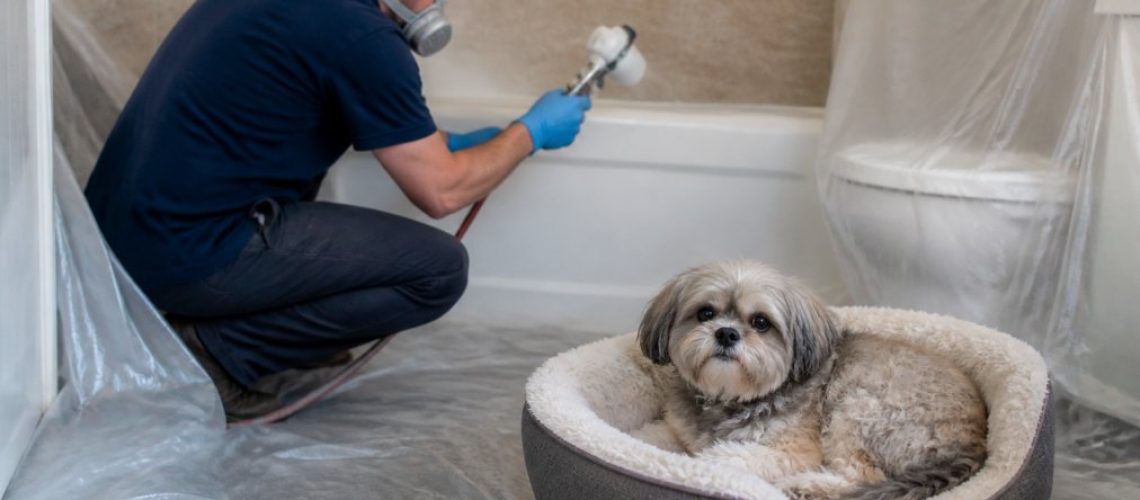

Table of Contents
- Is Bathtub Reglazing Safe for Pets? The Short Answer
- Understanding the Bathtub Reglazing Process and Chemical Fumes
- Health Risks of Bathtub Reglazing Fumes and Chemical Exposure for Pets
- How Long After Bathtub Reglazing Is It Safe for Pets in Canada
- Bathtub Refinishing Pet Safety Guidelines and Precautions
- Pet-Safe Bathtub Refinishing Options in Canada
- Recognizing Signs of Chemical Exposure in Pets After Reglazing
- Protecting Your Pets: A Pre- and Post-Reglazing Checklist
Last Updated: August 2, 2026
Is Bathtub Reglazing Safe for Pets? The Short Answer
When homeowners consider bathtub reglazing, pet safety often becomes an afterthought, but it shouldn’t be. The process involves potent chemical fumes that pose genuine risks to animals during and immediately after application. At Century BathTubs, we’ve worked with hundreds of pet-owning clients in the Toronto and GTA area, and we’ve seen firsthand how proper preparation and evacuation protocols make the difference.
Reglazing is safe for pets only when animals are completely removed from the home during application and for 24-48 hours afterward. Professional bathtub refinishing uses volatile organic compounds (VOCs) and solvent-borne coatings that release fumes irritating to respiratory systems and potentially triggering serious health reactions in cats, dogs, and small animals. Most pets can safely return 24-48 hours after work completion, depending on ventilation, coating type, and individual sensitivity.
Pets must be evacuated during bathtub reglazing and for at least 24-48 hours after application. Professional ventilation and post-reglazing cleaning significantly reduce residual chemical exposure.
Understanding the Bathtub Reglazing Process and Chemical Fumes
What Happens During Reglazing
Technicians clean and sand the surface to remove existing coatings, apply a primer or bonding agent, then apply the topcoat, typically an epoxy acrylic or polyester-based system. At Century BathTubs, we use our durable EP-ACRYLIC coating system, which delivers a three-year hassle-free guarantee. The application takes 4-6 hours, but chemical release continues for days as the coating cures and off-gasses, releasing volatile compounds into the air.
Chemical Composition and Off-Gassing
Professional reglazing coatings contain volatile organic compounds (VOCs), methylene chloride, epoxy or polyester resins, and catalysts that trigger curing. Off-gassing, the gradual escape of chemicals into the air, continues for 48-72 hours after application. Even after visible drying, chemical off-gassing continues, making proper ventilation critical.
Solvent-borne coatings release methylene chloride and other VOCs continuously during curing. Even after visible drying, chemical off-gassing continues for 48-72 hours. Inadequate ventilation traps these fumes indoors, creating a hazardous environment for pets.
Health Risks of Bathtub Reglazing Fumes and Chemical Exposure for Pets
Pets experience chemical exposure differently than humans. Their smaller body size, faster metabolic rates, and proximity to floors, where heavier chemical vapors accumulate, make them more vulnerable to reglazing fumes.
Respiratory Irritation and VOC Exposure
Volatile organic compounds irritate mucous membranes in the respiratory tract. Cats are particularly susceptible because they groom extensively, absorbing airborne chemicals. Dogs inhale fumes directly through nasal passages. Small animals like rabbits, guinea pigs, and birds have exceptionally delicate respiratory systems and face elevated risk even from brief exposure.
Common symptoms include coughing, wheezing, nasal discharge, and labored breathing, appearing within hours or 12-24 hours later depending on fume concentration and individual sensitivity. Prolonged exposure can trigger chemical-induced asthma or reactive airway disease.
Species-Specific Sensitivities
Dogs show moderate sensitivity, though breeds with shorter nasal passages (bulldogs, pugs, boxers) face elevated respiratory risk. Cats demonstrate significantly higher sensitivity; their reactive respiratory systems and grooming behavior increase chemical absorption. Feline asthma, affecting 1-5% of cats, is exacerbated by VOC exposure.
Small animals, rabbits, guinea pigs, chinchillas, and birds, are most vulnerable. Their tiny lungs and rapid breathing rates mean chemical exposure affects them more quickly and severely. Birds are especially at risk because their efficient respiratory system extracts chemical compounds effectively. Reptiles absorb chemicals through their skin, while aquarium fish may experience stress from vibrations and noise.
Pet evacuation is non-negotiable for households with cats, birds, small mammals, or dogs with respiratory conditions.
How Long After Bathtub Reglazing Is It Safe for Pets in Canada
The timeline for pet re-entry depends on coating system, ventilation effectiveness, room size, and individual sensitivity. Curing time and re-entry safety are not the same: coatings cure within 24-48 hours but off-gas beyond that period.
For pets, the safe re-entry window is typically 48-72 hours after application, assuming adequate ventilation. This reflects when VOC concentrations drop to levels unlikely to trigger respiratory distress in healthy animals. Pets with pre-existing respiratory conditions, very young animals, or seniors should wait the full 72-hour period.
Several factors affect this timeline:
- Ventilation effectiveness – strong cross-ventilation may achieve safe air quality in 36-48 hours; poor ventilation may require 72-96 hours
- Coating system type – water-based and low-VOC coatings off-gas more slowly, potentially reducing re-entry time to 24-36 hours
- Room size and air exchange rate – larger bathrooms with better circulation clear fumes faster
- Pet sensitivity – healthy adults tolerate slightly elevated VOC levels better than birds, small mammals, or animals with respiratory conditions
Plan for 48-72 hours of pet evacuation and use this time to thoroughly ventilate. Open all windows, run exhaust fans continuously, and consider portable air purifiers with activated carbon filters.
Post-Reglazing Chemical Residue and Cleaning Protocols
Chemical residue remains on surfaces after off-gassing subsides. Wipe down all bathroom surfaces, walls, floors, door frames, and light fixtures with a damp cloth to capture settled particles. Follow with a second pass using mild, pet-safe cleaner (vinegar and water works well). Do not allow pets to use the bathtub for at least 7 days; after 7 days, rinse thoroughly before allowing pet contact.
Wash pet bedding, toys, and items in the bathroom during reglazing, as they may have absorbed vapors. Vacuum the entire home, paying special attention to bedrooms and areas where pets spend time.
Use an air quality monitor to measure VOC levels. When readings drop to baseline or below 100 parts per billion, it’s safe to bring pets back indoors.
Bathtub Refinishing Pet Safety Guidelines and Precautions
Preparing Your Home Before Professional Application
Start preparations one week before your appointment. Identify where pets will stay during reglazing and the 48-72 hour recovery period, boarding facilities, veterinary clinics, pet sitters’ homes, or trusted friends. Book early.
Prepare ventilation: open all bathroom windows and adjacent rooms. Ensure the exhaust fan works and plan to run it continuously during and 24-48 hours after application. Consider renting portable air purifiers with HEPA and activated carbon filters.
Close doors between the bathroom and other rooms to contain fumes. Open doors to other rooms and exterior spaces to create circulation that pushes fumes out rather than trapping them.
Remove pet supplies, food, water bowls, litter boxes, bedding, and toys from the bathroom and adjacent areas. Inform the reglazing technician that pets will be evacuated and ask about the specific coating system and expected off-gassing timeline. Discuss low-VOC or water-based alternatives if available. Century BathTubs uses professional-grade coatings delivering superior durability while working with clients to balance performance with safety.
Ventilation Requirements During and After Reglazing
Ventilation pushes fumes out rather than allowing them to circulate through living spaces. During application, the technician should maintain continuous ventilation: open bathroom windows and at least one other room for cross-ventilation, with the exhaust fan running continuously.
After the technician leaves, maintain aggressive ventilation for at least 24 hours. Keep bathroom windows open, run the exhaust fan continuously, and open windows in bedrooms and living areas. For the next 24-48 hours, maintain moderate ventilation: keep bathroom windows open or run the exhaust fan at least 8 hours daily. Position portable air purifiers in the bathroom and main living areas, running them continuously for 48 hours, then 8-12 hours daily for the next week.
Pet Evacuation and Safe Housing During Work
Evacuation begins the morning of your appointment and continues through the re-entry period. Transport your pet before the technician arrives to prevent stress and ensure safety away from chemical exposure.
Prioritize facilities or caretakers understanding your pet’s specific needs. Provide detailed instructions about feeding, medications, behavioral quirks, and emergency contact information. Visit boarding facilities in advance to assess cleanliness, ventilation, and animal handling.
Ensure your pet is up to date on vaccinations and has had a recent veterinary checkup. For pets with pre-existing conditions, discuss the reglazing timeline with your veterinarian. Document your pet’s appearance and behavior before evacuation with photos and notes, creating a baseline for comparison when your pet returns.
Pet-Safe Bathtub Refinishing Options in Canada
Low-VOC and Water-Based Coating Alternatives
Water-based and low-VOC coating systems reduce chemical exposure while delivering renewed bathtub surfaces. Water-based epoxy coatings deliver durability comparable to traditional systems while releasing minimal odor and VOCs. Curing takes 48-72 hours, but off-gassing is substantially reduced; pets can often return within 24-36 hours.
Low-VOC polyester and acrylic systems cut VOC emissions by 50-80% compared to standard formulations. These still require adequate ventilation and pet evacuation but offer shorter recovery periods and lower health risk. The trade-off is typically cost (15-25% more) and, in some cases, durability. Ask specifically about VOC content, off-gassing duration, and pet safety when discussing coating options.
Professional Ventilation and Fume Extraction Systems
Some contractors offer advanced ventilation and fume extraction services significantly reducing post-application chemical exposure. During-application systems capture off-gassing vapors directly, preventing spread throughout the home. Post-application systems run for 24-48 hours, continuously exhausting vapors outside.
These services increase costs by 10-20% but dramatically reduce chemical load and can reduce effective pet re-entry time to 24-36 hours.
[Professional-grade fume extraction](/diy-vs-professional-bathtub-reglazing-kit/) can reduce effective pet re-entry time from 72 hours to 36-48 hours.
Recognizing Signs of Chemical Exposure in Pets After Reglazing
Respiratory Distress and Behavioral Changes
Earliest signs are respiratory symptoms: coughing, wheezing, rapid or labored breathing, nasal discharge, or excessive sneezing. These may appear within hours or develop over 12-24 hours.
Behavioral changes often accompany respiratory symptoms: lethargy, reluctance to move, unusual quietness, hiding, or avoiding normal activities. Cats may stop grooming or eating; dogs may refuse walks or play. Severe exposure triggers additional symptoms: eye redness, drooling, vomiting, loss of appetite, tremors, disorientation, or unusual vocalization. These indicate serious exposure requiring immediate veterinary attention.
Watch your pet closely for 48-72 hours after returning home. If you notice any respiratory symptoms or behavioral changes, contact your veterinarian immediately with specific information about the reglazing project and timeline.
Emergency Action Plan and When to Seek Veterinary Care
Identify an emergency veterinary clinic in your area and save their contact information. Seek immediate care if your pet exhibits severe coughing, wheezing, rapid or labored breathing, blue-tinged gums, collapse, severe vomiting, tremors, or inability to move.
For moderate symptoms, mild coughing, lethargy, reduced appetite, contact your veterinarian during business hours. Describe the reglazing project, timing, and all observed symptoms. If you suspect exposure but see no obvious symptoms, still contact your veterinarian and document everything: when reglazing occurred, when your pet returned home, when symptoms appeared, and what you observed.
Protecting Your Pets: A Pre- and Post-Reglazing Checklist
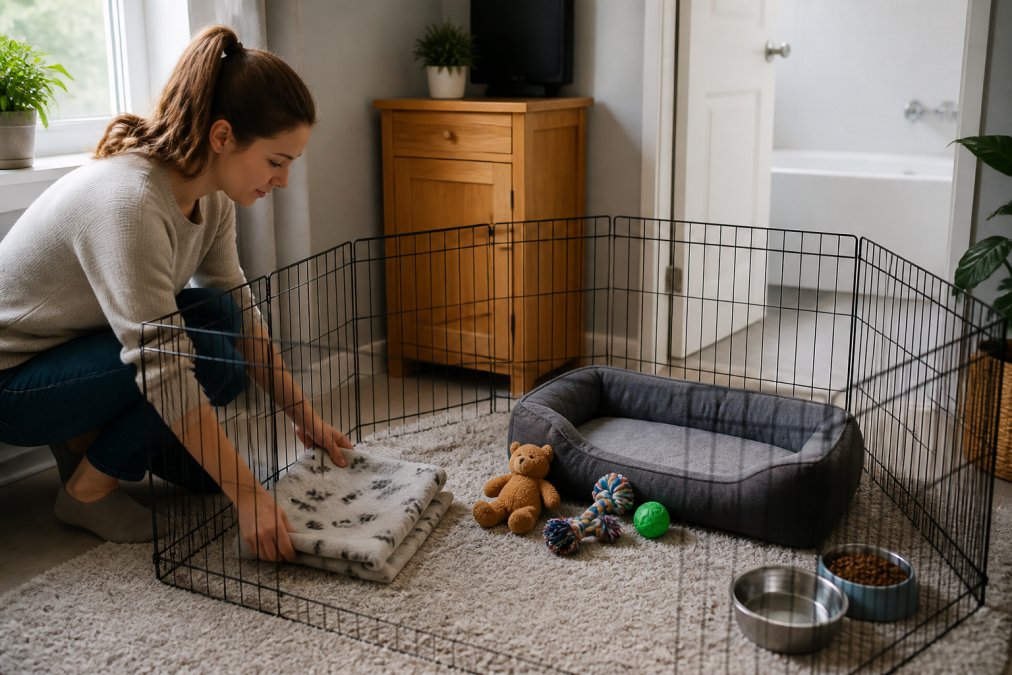
Two Weeks Before Reglazing:
- Book pet evacuation (boarding facility, pet sitter, or trusted friend)
- Schedule a veterinary checkup for pets with pre-existing health conditions
- Request reglazing quotes and ask about coating systems and off-gassing timelines
- Inquire about low-VOC alternatives and fume extraction services
- Confirm that your chosen reglazing contractor is licensed and insured
One Week Before Reglazing:
- Confirm your pet’s evacuation arrangements and provide detailed care instructions
- Gather pet supplies (food, medications, toys, bedding) for transport
- Check that your bathroom exhaust fan is functioning properly
- Purchase or rent portable air purifiers if you don’t already have them
Day Before Reglazing:
- Take photos of your pet’s appearance and behavior (baseline documentation)
- Prepare the bathroom: remove pet items, close interior doors, open windows
- Confirm the reglazing appointment time with your contractor
- Charge your phone and ensure you have the contractor’s contact information
Day of Reglazing:
- Transport your pet to their evacuation location before the technician arrives
- Ensure all windows are open and exhaust fans are running
- Stay home or nearby during the application process
- Plan to maintain continuous ventilation for at least 24 hours after completion
Immediately After Reglazing (Within 24 Hours):
- Continue running exhaust fans and keeping windows open
- Activate portable air purifiers in the bathroom and main living areas
- Do not allow anyone to spend extended time in the bathroom
- Wash pet bedding, toys, and items that were in the bathroom during work
24-48 Hours After Reglazing:
- Maintain moderate ventilation (bathroom windows open or exhaust fan running)
- Wipe down all bathroom surfaces with damp cloths to remove settled chemical particles
- Clean the rest of the home with pet-safe cleaners, focusing on low surfaces
- Monitor air quality using an air quality monitor if available
48-72 Hours After Reglazing (Pet Re-Entry):
- Ensure ventilation has been continuous and effective
- Thoroughly rinse the bathtub with clean water before any pet contact
- Transport your pet home and observe them closely for any symptoms
- Note any changes in breathing, energy level, appetite, or behavior
One Week After Reglazing:
- Continue monitoring your pet for delayed symptoms
- Thoroughly clean the bathtub again before allowing regular pet use
- Maintain good ventilation in the bathroom for another week
- Contact your veterinarian if any concerning symptoms develop
| Timeline | Action | Duration |
|---|---|---|
| 2 weeks before | Book evacuation, vet checkup, get quotes | 1 week |
| 1 week before | Gather supplies, confirm arrangements | 3-4 days |
| Day before | Prepare home, take baseline photos | 2-3 hours |
| Day of | Transport pet, maintain ventilation | 4-6 hours |
| 24 hours after | Clean surfaces, wash pet items | 2-3 hours |
| 48-72 hours | Pet re-entry, close observation | Ongoing |
| 1 week after | Monitor for delayed symptoms | Ongoing |
Bathtub reglazing doesn’t have to be stressful for pet owners, it requires planning and the right precautions. Thousands of households with pets successfully complete reglazing projects yearly by following these safety protocols. Treat pet evacuation and ventilation as non-negotiable requirements.
If you’re in the Toronto or GTA area and want professional guidance on how reglazing will affect your pets, Century BathTubs can walk you through the entire process. Our team has helped countless pet-owning clients understand the timeline, select the safest coating options, and prepare their homes for a smooth renovation. We offer transparent information about off-gassing, support low-VOC alternatives when requested, and work with your schedule to minimize disruption. Contact Century BathTubs for a free inquiry about your specific situation, we’ll help you make the decision that’s right for your home and your animals.
Frequently Asked Questions
Is bathtub reglazing safe for pets if I keep them in another room?
Keeping pets in another room reduces direct exposure, but chemical fumes can travel through your home's air circulation. Professional reglazing involves solvent-borne coatings that release volatile organic compounds (VOCs) and off-gassing that can affect pets even at a distance. For maximum safety, evacuate pets completely during application and for 24-48 hours after, depending on ventilation. Century BathTubs recommends removing pets from the entire home during professional reglazing work.
How long after bathtub reglazing is it safe for pets in Canada?
Most pets can safely re-enter a reglazed bathroom after 24-48 hours, though full curing takes longer. The critical safety window depends on ventilation and the coating system used. With professional-grade EP-ACRYLIC systems and continuous air circulation, pets can typically return after 48 hours. However, allow at least 72 hours before pets have direct contact with the tub surface. Always ensure the bathroom has been thoroughly ventilated and cleaned of chemical residue before reintroduction.
What are the signs of chemical exposure in pets after bathtub reglazing?
Watch for respiratory irritation signs: excessive coughing, sneezing, labored breathing, or wheezing. Pets may also show lethargy, loss of appetite, watery eyes, or nasal discharge. Some animals experience behavioral changes like restlessness or unusual aggression. If your pet shows any of these symptoms within 48 hours of reglazing, move them to fresh air immediately and contact your veterinarian. Provide water and monitor closely. Severe respiratory distress requires emergency veterinary care.
Are there pet-safe bathtub refinishing options available in Canada?
Yes, several alternatives exist for pet-conscious homeowners. Water-based and low-VOC coating systems produce fewer harmful fumes than traditional solvent-borne products. Some refinishing companies offer eco-friendly options with reduced off-gassing. Professional-grade systems with advanced fume extraction equipment also minimize airborne chemical exposure. Century BathTubs uses EP-ACRYLIC coating systems and can discuss low-emission options. Always confirm ventilation methods and ask about curing times before scheduling work with young pets or animals with respiratory sensitivity.
This article was written using GrandRanker