

Table of Contents
- Is Bathtub Reglazing Worth It? The Short Answer
- What Is Bathtub Reglazing and How Does It Work
- Bathtub Reglazing Cost in Canada: What You’ll Actually Pay
- How Long Does Bathtub Reglazing Last in Canada
- Bathtub Refinishing vs Replacement: Which Makes Financial Sense
- Is Your Tub a Good Candidate for Reglazing
- DIY Bathtub Reglazing Kits in Canada: Pros, Cons, and Reality Check
- Common Mistakes and How to Avoid Them
Last Updated: July 31, 2026
Is Bathtub Reglazing Worth It? The Short Answer
When your bathtub looks worn, you face a choice: replace it or restore its surface. Whether bathtub reglazing is worth it depends on your budget, timeline, and tub condition. Reglazing costs one-quarter to one-third of replacement and can extend your tub’s life by 10-15 years, making it pragmatic for many situations. However, if your tub has structural damage or deep cracks, replacement may be necessary.
The short version: reglazing is worth it if your tub is structurally sound, you’re not planning to move within five years, and you want an affordable facelift. It’s not worth it if you need a different size, style, or if the underlying porcelain or acrylic has failed.
What Is Bathtub Reglazing and How Does It Work
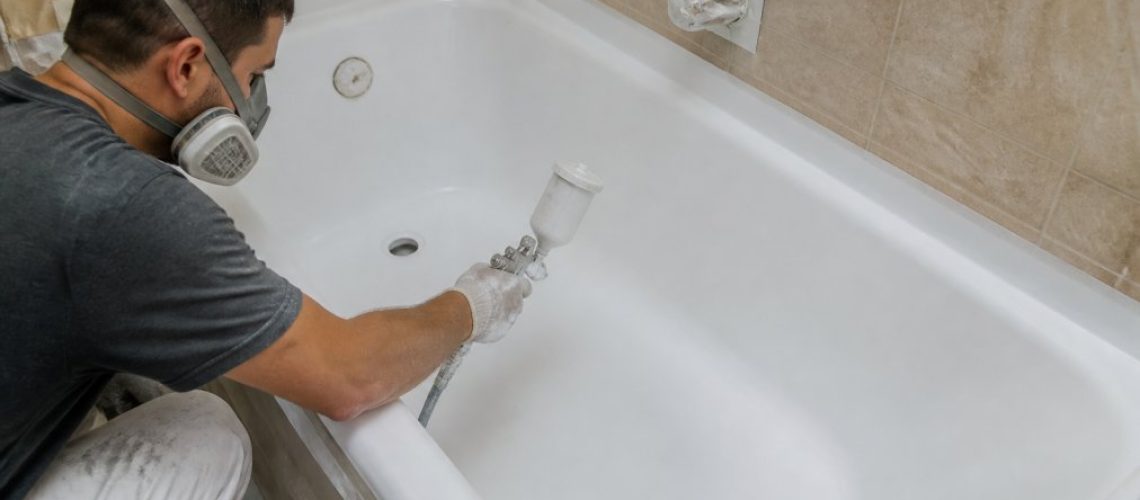
Bathtub reglazing, also called resurfacing or refinishing, restores a worn tub’s surface to look new by applying a protective coating directly over the existing fixture. This technique works on cast iron, fiberglass, acrylic, and porcelain tubs. The coating hides stains, chips, and scratches while sealing the surface against moisture penetration. For older cast iron tubs, reglazing also protects against lead exposure if the original finish is compromised.
The Professional Reglazing Process
The reglazing process follows a strict sequence that determines durability and appearance. Technicians begin with thorough surface preparation: cleaning away soap scum, hard water deposits, and mildew using specialized degreasers. Acid etching follows, roughening the surface to improve adhesion. This step is critical; without proper etching, the new finish will peel within months.
After etching, the tub is rinsed multiple times and dried completely. Technicians then apply a primer coat, which bonds the topcoat to the existing surface. The final topcoat is applied with spray equipment calibrated to specific settings. Improper application is one of the most common reasons reglazed tubs fail prematurely.
Professional technicians use spray equipment calibrated to specific PSI and volume settings. DIY kits applied by brush or roller rarely achieve the same coverage uniformity, which is why professional results last significantly longer.
Coating Systems: EP-ACRYLIC and Alternatives
The most common professional coating system is EP-ACRYLIC, which combines epoxy and acrylic resins for excellent adhesion, durability, and chemical resistance. Other options like polyurethane-based or acrylic-only coatings exist but vary in quality. The best coatings are formulated specifically for bathtub resurfacing. Premium systems like EP-ACRYLIC typically perform reliably for 5-7 years or longer with proper maintenance, while budget options may fail within 2-3 years.
Bathtub Reglazing Cost in Canada: What You’ll Actually Pay
Professional bathtub reglazing in Canada varies based on tub size, material, condition, and location. Requesting a detailed quote from a licensed contractor is essential to understand your actual investment.
Factors That Affect Pricing
Material composition significantly impacts cost. Cast iron tubs are straightforward to refinish but require careful handling. Fiberglass tubs are lighter but more delicate during surface preparation. Acrylic tubs generally cost less to refinish than cast iron. Tub condition is another major cost driver, light wear requires basic cleaning and coating, while deep chips or cracks may need filler applications, increasing labor and material costs.
The size and accessibility of your bathroom also affect labor costs. A tub in an easily accessible main bathroom costs less than one in a cramped ensuite. If plumbing fixtures need temporary removal, expect additional labor charges.
Getting an Accurate Quote
Contact licensed, insured contractors in your area for a free in-person assessment. A professional estimate should include a site visit evaluating your tub’s material, condition, size, and accessibility. The quote should specify the coating system, warranty period, and what’s included.
Avoid contractors who quote prices over the phone without seeing your tub. Accurate pricing requires visual inspection. Unusually low quotes often indicate inexperienced contractors or inferior coating systems that will fail prematurely.
Compare quotes from at least two licensed contractors. The cheapest option isn’t always the best value; a premium contractor using high-quality materials will deliver better durability.
How Long Does Bathtub Reglazing Last in Canada
The lifespan of a reglazed bathtub depends on coating quality, application professionalism, and maintenance. Under ideal conditions, professional reglazing lasts 5-10 years. Century BathTubs provides a three-year hassle-free guarantee covering peeling, cracking, and adhesion failure under normal use. Lower-quality refinishing jobs often fail within 2-3 years.
Signs of Failure: Peeling, Cracking, and Yellowing
Peeling is the most obvious sign of failure. The coating separates from the underlying surface, typically starting at edges or drain areas. Once peeling begins, it accelerates as moisture penetrates underneath. Peeling indicates poor surface preparation, inadequate primer application, or low-quality topcoat.
Cracking appears as fine lines or larger fractures. Minor crazing may be cosmetic, but deeper cracks allow moisture penetration and adhesion failure. Yellowing occurs when the topcoat degrades from UV exposure or chemical breakdown, signaling that protection is diminishing.
Maintenance Tips to Extend Lifespan
Use non-abrasive cleaners exclusively. Avoid scouring pads, harsh chemicals, and bleach-based cleaners. Mild dish soap and soft cloths are sufficient for routine cleaning. Dry the tub after each use to prevent hard water deposits and mildew growth. A squeegee or towel removes standing water and mineral buildup.
Ensure your bathroom exhaust fan runs during and for at least 20 minutes after showers. Proper ventilation protects both your finish and your bathroom’s overall health. Avoid extreme temperature changes, as rapid hot-to-cold transitions can cause thermal stress on the coating.
The difference between a three-year finish and a ten-year finish often comes down to maintenance. Non-abrasive cleaning, drying after use, and proper ventilation are the three habits that matter most.
Bathtub Refinishing vs Replacement: Which Makes Financial Sense
Comparing reglazing to full replacement requires looking beyond initial cost. Replacement involves removing the old tub, potentially modifying plumbing, installing a new fixture, and refinishing surrounding areas. This process takes days or weeks and often reveals hidden issues that add unexpected costs. Replacement makes sense when you want a different size, style, or configuration, or when the existing tub is structurally compromised.
Reglazing restores your existing tub in 24-48 hours with minimal disruption. You can typically use the bathroom the next day. If you plan to stay in your home for at least 3-5 years, reglazing delivers positive ROI compared to replacement.
Environmental impact also factors into the decision. Reglazing reduces waste by extending fixture life. Replacement involves disposing of the old tub and manufacturing a new one, both energy-intensive processes. If sustainability matters, reglazing is the greener choice.
When Replacement Is the Better Choice
Replacement becomes necessary when structural damage is present. If your cast iron tub has cracks through to the substrate, or if your fiberglass tub has delamination, reglazing won’t solve the underlying problem. Also consider replacement if you want a significantly different size, shape, or style, or if your tub is very old and has failed multiple times.
Is Your Tub a Good Candidate for Reglazing
Not every bathtub is suitable for reglazing. Assessing candidacy requires evaluating material type, structural integrity, and current condition.
Material Compatibility: Cast Iron, Fiberglass, Acrylic, and Porcelain
Cast iron tubs are excellent candidates for reglazing. The material is durable, stable, and bonds well with professional coating systems. Fiberglass tubs can be reglazed but require careful application since fiberglass is more flexible than cast iron. Acrylic tubs are commonly reglazed in modern homes and accept coating well when properly prepared. Porcelain-coated steel tubs are reglazing candidates, though the existing porcelain must be properly etched. Some modern budget acrylic composites and gel-coat fiberglass don’t accept coating well.
Visual Inspection Checklist
Before calling a contractor, evaluate your tub:
- Structural integrity: Are there cracks, holes, or soft spots? Press on the tub’s walls, does it feel solid?
- Surface condition: Are stains primarily cosmetic, or is the finish actively peeling?
- Material identification: Tap the tub, cast iron sounds solid and resonant; fiberglass sounds hollow and dull.
- Drain and fixtures: Are existing drains and overflow fixtures functional?
- Caulking and seals: Is the caulk around the tub’s perimeter intact?
- Mold or mildew: Extensive growth suggests ventilation issues that will persist after reglazing.
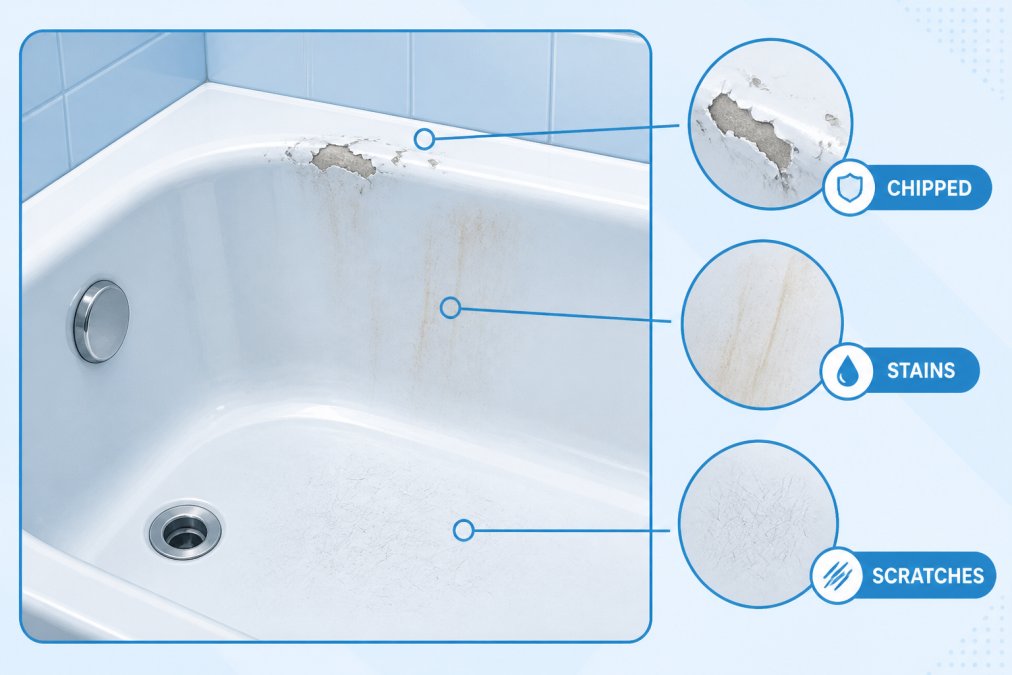
If your tub passes these checks, it’s likely a good reglazing candidate. Schedule a professional assessment to confirm.
If you discover soft spots, active leaks, or extensive cracking, consult a contractor. These issues may require replacement rather than reglazing.
DIY Bathtub Reglazing Kits in Canada: Pros, Cons, and Reality Check
DIY reglazing kits are available online and at home improvement retailers, promising professional results at a fraction of the cost. However, reality rarely matches the marketing. These kits typically include acrylic-based coating (not epoxy-acrylic), sandpaper, primer, and instructions. The appeal is obvious: a job costing hundreds professionally might cost under $100 in materials.
The problem is execution. Professional reglazing requires precise surface preparation, exact coating thickness, proper application technique, and controlled curing conditions. A single mistake results in failure. DIY attempts frequently peel, crack, or fail to adhere within months. Additionally, DIY kits often use lower-quality coating formulations than professional systems, failing faster even with perfect application.
Chemical Safety and VOC Off-Gassing
A critical concern is chemical safety. Professional coating systems release volatile organic compounds (VOCs) during application and curing. Professional contractors manage exposure through proper ventilation, respirators, and controlled application. DIY applicators in residential bathrooms rarely have adequate ventilation or safety equipment.
Many DIY kits use water-based formulations to reduce VOC content, but these often sacrifice durability. Off-gassing continues even after application, creating a hazardous environment in poorly ventilated spaces.
Why Professional Application Delivers Better Results
Professional reglazing works because contractors control every variable. They use high-quality coating systems formulated for bathroom environments and have equipment that applies coatings uniformly at correct thickness. Professional contractors provide warranties, Century BathTubs guarantees work for three years, covering peeling, cracking, and adhesion failure. DIY kits come with no recourse.
A professional job takes 24-48 hours from start to finish. A DIY attempt takes multiple days of hands-on work plus extended curing time. Professional contractors carry liability insurance and are licensed to work in your home. DIY work leaves you entirely responsible.
Common Mistakes and How to Avoid Them
Choosing an unlicensed contractor is the most expensive mistake. Always verify that your contractor is licensed and insured before work begins.
Inadequate surface preparation is the second most common failure cause. Surface preparation determines adhesion. Professional contractors spend hours on prep work, it’s the foundation for everything that follows.
Using the bathroom too soon after reglazing causes premature failure. The coating needs full curing time, typically 24-48 hours, before exposure to water.
Poor ventilation during application and curing leads to incomplete curing and off-gassing issues. Professional contractors ensure proper ventilation.
Choosing the wrong coating system for your tub material can result in premature failure. Professional contractors match the coating system to your specific tub and environmental conditions.
Ignoring structural damage before reglazing is a waste of money. A professional assessment identifies structural issues before work begins.
Harsh cleaning after reglazing accelerates finish degradation. Use gentle cleaners and soft cloths to extend the finish’s life.
Deciding whether bathtub reglazing is worth it depends on your specific circumstances, but for most homeowners and property managers in Toronto and the Greater Toronto Area, professional reglazing delivers excellent value. When your tub is structurally sound and you want an affordable, fast restoration, reglazing is the pragmatic choice. Century BathTubs has been helping customers make this decision since 1995, using our proven EP-ACRYLIC coating system and three-year guarantee to ensure your investment lasts. Contact us for a free assessment, we’ll evaluate your tub’s condition and help you understand exactly what to expect.
| Aspect | Reglazing | Replacement |
|---|---|---|
| Timeline | 24-48 hours | 5-14 days |
| Cost | Significantly lower | 3-4x higher |
| Bathroom downtime | Minimal | Extensive |
| Best for | Cosmetic wear, sound structure | Major renovation, structural damage |
| Lifespan | 5-10 years | 20-30 years |
| Environmental impact | Lower waste | Higher waste |
According to Statistics Canada housing data, bathroom renovations are among the most common home improvements, with reglazing emerging as a cost-effective alternative for homeowners managing renovation budgets. Research from Home Improvement Research Institute shows that surface restoration techniques extend fixture lifespan while reducing renovation costs by up to 70% compared to full replacement. For property investors specifically, Canadian Real Estate Association rental property guidelines notes that cost-effective maintenance solutions like reglazing improve property turnover efficiency without compromising tenant satisfaction.
Frequently Asked Questions
How much does bathtub reglazing cost in Canada?
Bathtub reglazing cost in Canada depends on factors including tub size, material type, condition, location, and coating system used. Pricing varies by contractor and region. For current pricing and a personalized quote tailored to your specific tub and needs, contact Century BathTubs directly through their website to receive an accurate estimate based on your exact requirements.
How long does bathtub reglazing last, and what causes it to fail?
Professional bathtub reglazing typically lasts several years with proper care. Common signs of failure include peeling, cracking, yellowing, and loss of adhesion. Lifespan depends on coating quality, surface preparation, maintenance practices, and usage frequency. Non-abrasive cleaners and proper ventilation significantly extend durability. Century BathTubs offers a three-year hassle-free guarantee on their EP-ACRYLIC coating system.
Is bathtub reglazing worth it compared to buying a new tub?
Reglazing offers significant cost savings versus full replacement, which involves demo costs, plumbing fixture changes, and installation labor. For structurally sound tubs, refinishing provides a budget-friendly facelift that extends the fixture's lifespan. However, if your tub has deep structural damage, severe cracks, or leaks, replacement may be more economical long-term. A professional assessment helps determine the best option for your situation.
Can I use a DIY bathtub reglazing kit instead of hiring a professional?
DIY kits are available but present challenges: chemical safety concerns, VOC off-gassing risks requiring extensive ventilation, difficulty achieving proper surface preparation and adhesion, and inconsistent topcoat application. Professional technicians use industrial-grade coatings, specialized equipment, and proven processes that DIY kits cannot match. Poor application often results in premature peeling or cracking, making professional reglazing the more reliable choice for lasting results.
What types of bathtubs can be reglazed?
Most bathtub materials can be reglazed, including cast iron, fiberglass, acrylic, and porcelain. However, material compatibility varies. Cast iron tubs are excellent candidates, while some fiberglass and acrylic tubs require careful assessment. Professional contractors evaluate your specific tub's condition and material to confirm suitability. Deep structural cracks, severe corrosion, or compromised structural integrity may disqualify a tub from reglazing, requiring replacement instead.
This article was written using GrandRanker