


Last Updated: November 5, 2026
Quick Summary
A bathtub reglazing job is dry to the touch within a few hours, but full curing takes longer, usually 2 to 7 days depending on the coating system. Epoxy finishes generally take longer than acrylic ones. Room temperature, humidity and ventilation also change how long the finish needs before use.
- Dry to the touch is not the same as fully cured; the finish can stay soft underneath.
- Epoxy systems typically take 3 to 7 days to fully cure; acrylic systems typically take 2 to 5 days.
- Cold, humid or poorly ventilated rooms slow drying, so add buffer time beyond the label minimum.
- Ask your technician for the product name and data sheet to confirm the exact timing before first use.
- Start with a short, warm shower and avoid harsh cleaners until the full cure period has passed.
Table of Contents
- How Long Bathtub Reglazing Takes From Start to Finish
- Drying Time Versus Full Curing Time
- Preparing the Tub and Room Before Reglazing
- How Temperature, Humidity and Ventilation Affect Drying
- When Can You Use a Bathtub After Reglazing?
- Bathtub Reglazing Curing Time by Coating System
- Aftercare Steps and Troubleshooting a Slow or Tacky Finish
- Frequently Asked Questions
How Long Bathtub Reglazing Takes From Start to Finish
Most people want one answer first: when can I use my tub again? A bathtub reglazing job takes a set amount of time, but the finish needs more time before it is fully ready. Century BathTubs refinishes bathtubs and shower tiles for homeowners, landlords and property managers, and we see the same questions every week.

Each stage has its own timing, and the timing depends on the coating system and the conditions in the room.
Ask your technician for the expected timing of the whole job before booking. Ask your technician for the exact timing for the coating system being applied, since product instructions differ.
Drying Time Versus Full Curing Time
Drying and curing are not the same thing. Mixing them up is the most common reason people use a tub too soon.
Drying means the surface has set and no longer feels wet or sticky to the touch. Curing means the coating has hardened all the way through and reached full strength. A tub can feel dry in a few hours and still be soft underneath.
Here is how to tell the stages apart:
- Dry to the touch: The surface feels firm when lightly touched, but the finish is still soft.
- Safe to handle: You can walk around the room carefully without marking the surface.
- Ready for water: A short shower or light bath is possible, but the finish is still hardening.
- Fully cured: The coating has reached full hardness and resists normal daily use.
Check the product instructions for each milestone. Do not assume that a dry-looking surface is fully cured.
Preparing the Tub and Room Before Reglazing
Good preparation shortens drying problems later. Most slow or tacky finishes trace back to moisture, dust or grease left on the surface before coating.
Before the technician arrives, you should:
Clear all bottles, soaps and bath mats from the tub and surrounding ledges. Our step-by-step guide to restoring an antique clawfoot tub finish walks through the full preparation process.
Run the exhaust fan or open a window for a few hours beforehand to dry out the room.
Plan to keep children and pets out of the bathroom until the technician clears it.
If the surface is not properly cleaned, the coating may not bond, and it can peel or bubble later.
How Temperature, Humidity and Ventilation Affect Drying
Room conditions change drying time more than most people expect. Toronto homes move between cold winters and humid summers, so the same product can behave differently across the year. In a Toronto condo, the bathroom often has no operable window and relies on a shared exhaust shaft, which adds its own constraints.
- Cold rooms: Low temperatures slow the chemical reaction that hardens the coating. A cold bathroom can add many hours to the drying stage. In a Toronto winter, an unheated bathroom near an exterior wall can sit well below the ideal range.
- Humid rooms: High moisture in the air slows evaporation. Steam from showers left running in the room during the job is a common cause of tacky surfaces. Toronto summers can push indoor humidity high, especially in older homes without central dehumidification.
- Poor ventilation: Without airflow, solvent vapours and moisture stay near the surface. Good airflow helps the coating dry evenly. A condo bathroom with a weak exhaust fan or a shared duct that other units also use may not clear vapours as quickly as a house with a window.
What to do if the bathroom is cold, humid or poorly ventilated:
- Turn on the exhaust fan and keep it running through the drying period. In a condo, confirm with your property manager that the fan can run continuously without triggering a building alert.
- Run a space heater safely, away from the tub, to keep the room warm. Choose a model with an automatic shut-off and keep it on a stable surface.
- Keep the door closed to hold heat, but crack a window if you have one. In a windowless condo bathroom, rely on the exhaust fan and a small heater rather than propping the door open to a hallway.
- Avoid running hot water in the room during the drying period. Even a short sink run can raise humidity.
Watch out: Do not block the exhaust fan or seal the door completely in an attempt to keep the room warm. Trapped solvent vapours need a path out, and a sealed room can leave the finish tacky for longer.
Ask your technician about expected conditions before booking, especially in winter or during a wet spell. In Toronto, a job scheduled in January may need a different drying window than the same job in July, and a condo with a shared exhaust system may need extra ventilation time.
When Can You Use a Bathtub After Reglazing?
Follow the timing for the product used on your tub, and confirm the wait with your technician before first use. Our complete guide to bathtub reglazing covers professional versus DIY timing in more detail.
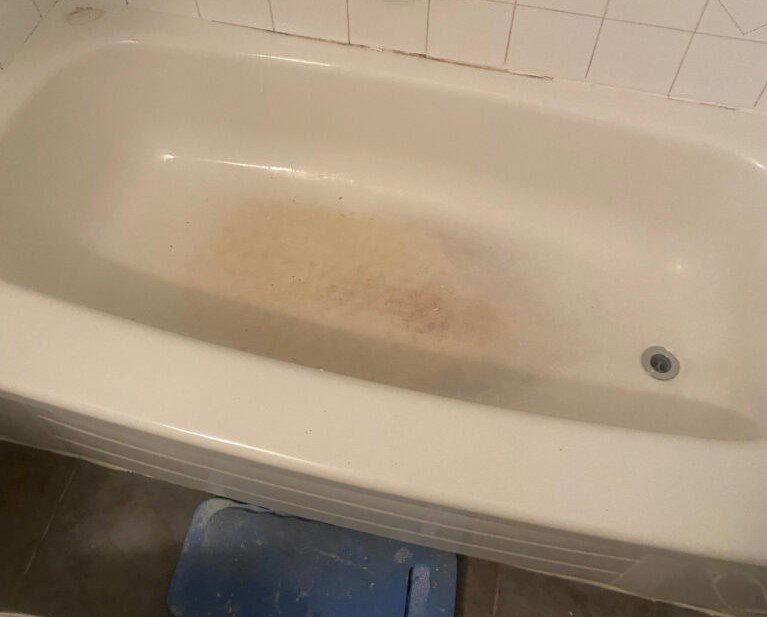
Use this checklist for first use:
- The surface feels dry to the touch with no tackiness.
- The minimum waiting time on the product label has passed.
- The room has been well ventilated throughout the drying period.
- You have used only a gentle, non-abrasive cleaner.
- You avoid standing or sitting heavily in the tub for the first few days.
Start with a short, warm shower rather than a long, hot bath. Wait the full cure period before using harsh cleaners or abrasive scrubbers.
Bathtub Reglazing Curing Time by Coating System
Different coating systems set at different speeds. Different coating systems set at different speeds, and each has its own drying and curing profile. You can compare the durability and dry times of the top bathtub finishes before choosing one. Ask your technician which system is being applied and check the label or data sheet for its timing.
| Stage | Epoxy systems (typical) | Acrylic systems (typical) |
|---|---|---|
| Dry to the touch | 2 to 4 hours | 1 to 2 hours |
| Safe to handle | 12 to 24 hours | 6 to 12 hours |
| Ready for water | 24 to 48 hours | 24 hours |
| Fully cured | 3 to 7 days | 2 to 5 days |
Timings above are general guidance based on common product data sheets. Always follow the instructions from the product manufacturer and your technician, since exact times depend on the system and the room.
How to verify the coating system before the job:
- Ask your technician for the product name and manufacturer. A professional should be able to tell you exactly what is being applied.
- Request the technical data sheet or a photo of the label. The data sheet lists the dry-to-touch, recoat, and full-cure times for that specific product.
- Confirm whether the system is a two-part epoxy, a single-component acrylic, or a hybrid. Two-part epoxies generally cure harder but take longer to reach full chemical resistance.
- Ask how the technician will confirm the cure before handing the tub back. A common practice is a touch test on an inconspicuous area plus a check that the minimum recoat window has passed.
Watch out: Do not accept a verbal “about a day” without confirming the product. A 24-hour figure that applies to one acrylic system may be too short for a two-part epoxy in a cold Toronto bathroom, and using the tub early can leave permanent marks.
In Toronto, where winter bathroom temperatures can run lower than the product label assumes, add a buffer to the manufacturer’s minimum. A common pattern is to treat the label time as a floor, not a target, and to add several hours when the room is cold or the exhaust is weak.
Aftercare Steps and Troubleshooting a Slow or Tacky Finish
Good aftercare protects the new finish for years. Most problems come from early misuse or harsh cleaning.
Aftercare steps:
- Clean with a soft cloth and a mild, pH-neutral soap.
- Rinse well and dry the surface after each use.
- Avoid abrasive pads, scouring powder and bleach-heavy products.
- Use a bath mat to protect the floor of the tub from dropped items.
If the finish still feels tacky:
- Give it more time, and keep the room warm and ventilated.
- Check whether the room was damp or cold during the job.
- Avoid putting weight on the surface until it hardens.
- Contact your technician, since a finish that stays tacky past the expected time may need attention. You can also review our affordable bathtub refinishing services in Toronto.
At Century BathTubs, we stand behind our work with a three-year hassle-free guarantee. If your finish is not setting as expected, call us and we will take a look. You can request a quote or ask a question by using our free inquiry form.
Frequently Asked Questions
How long does a bathtub need to dry after reglazing?
Most reglazed bathtubs become dry to the touch within several hours, but drying alone does not mean the finish is ready for use. Drying time depends on the coating system, the room temperature, humidity and airflow. Your technician should provide the specific timeline for the product used. Keep the room ventilated and avoid touching the surface during the early drying stage so the finish is not marked or damaged.
When can I use my bathtub after it has been reglazed?
Bathtubs are generally not used until the coating has cured enough to handle water and body weight without damage. Many sources advise waiting at least 24 hours, and some recommend 24 to 48 hours before first use. Follow the timing given by your technician or the coating manufacturer. Using the tub too early can leave marks, dull the finish or cause softening of the coating.
What is the difference between drying time and curing time for bathtub reglazing?
Drying time is how long the surface takes to feel dry and no longer tacky. Curing time is how long the coating takes to harden fully and reach its final durability. A tub can feel dry long before it is fully cured. Water exposure and heavy use should wait until the cure is complete or the timeline given for the product has passed.
Should I keep the bathroom fan on after bathtub reglazing?
Yes, running the bathroom fan or keeping the room ventilated helps the coating release solvents and moisture as it dries. Good airflow supports a more even cure. Avoid closing the room tightly during the drying period. Keep the door closed to control dust, and avoid running hot water or steam in the room until the finish has set.
