
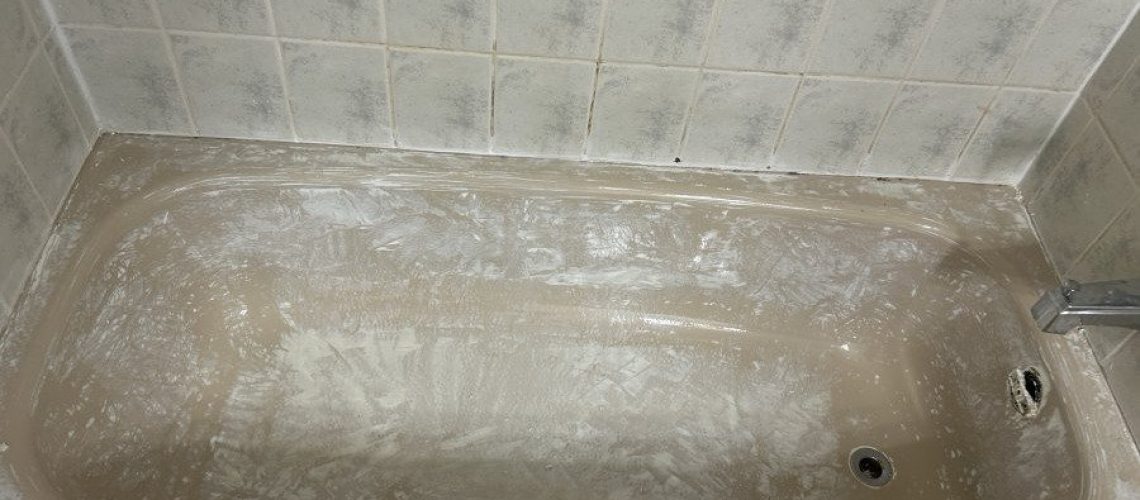

Last Updated: November 2, 2026
Quick Summary
Bathtub refinishing restores an existing tub, shower tile, or sink by cleaning, repairing, and bonding a new non-porous coating to the old surface, giving it a factory-new finish without demolition. At Century BathTubs, we serve Toronto and the GTA and offer a free inquiry to tell you honestly whether refinishing is the right call.
- Preparation takes the most time and decides how long the finish lasts.
- Coating over a greasy or glossy surface is the number one reason finishes peel within months.
- Tile and shower work can run longer because there is more surface area and more masking.
- Use non-abrasive cleaners and a soft cloth or sponge on a refinished surface.
- We bring a three-year hassle-free guarantee on every job and have served Toronto and the GTA since 1995.
Table of Contents
- Finding Bathtub and Tile Refinishing Near Me in Toronto
- Bathtub Refinishing Process: What Happens From Prep to Final Cure
- How Long Does Bathtub Refinishing Take?
- Refinish or Replace Bathtub: A Decision Framework
- Shower Tile Refinishing Toronto: What to Expect
- DIY vs. Professional Refinishing: Where the Risks Sit
- Caring for Your Refinished Surface: Cleaning and Maintenance
- Book Your Free Refinishing Inquiry With Century BathTubs
- Frequently Asked Questions
Finding Bathtub and Tile Refinishing Near Me in Toronto
If you search “bathtub and tiles refinishing near me” in Toronto, you are probably standing in a bathroom that has seen better days, wondering whether the worn surface can be saved. It usually can.
At Century BathTubs, we work on bathrooms across Toronto and the GTA, and the same questions come up on almost every call. For a complete guide to how the process works, costs, and durability, see our bathtub refinishing near me guide.
Most guides treat refinishing as a cosmetic touch-up. Done properly, it is a surface restoration job with real preparation, real chemistry, and a real curing window.
Bathtub Refinishing Process: What Happens From Prep to Final Cure
A professional bathtub refinishing job follows six stages, from inspection through to the final cure. Preparation takes the most time and decides how long the finish lasts.
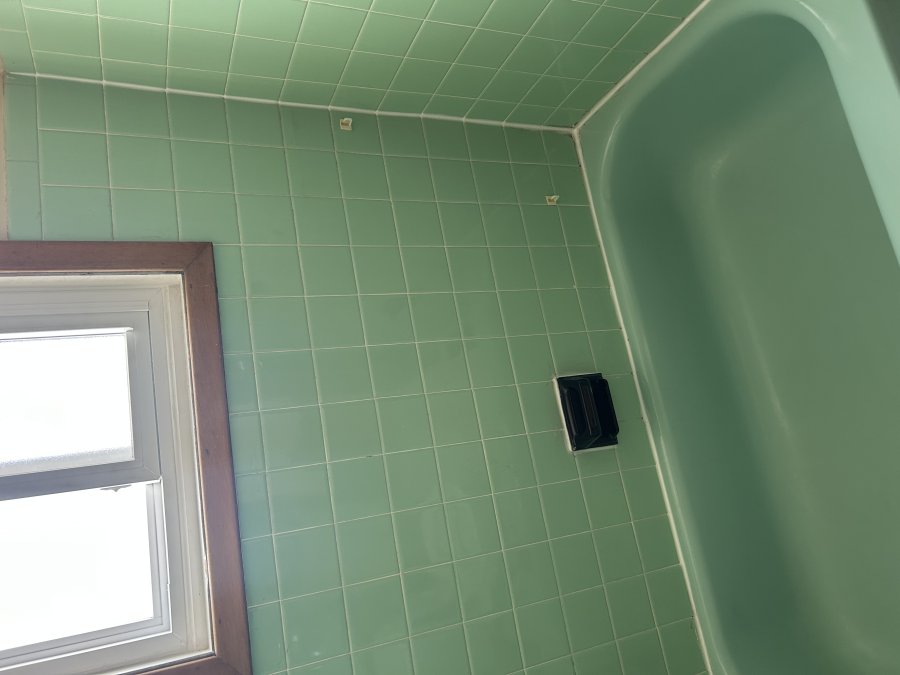
Step 1: Inspection and Masking
Before any chemical touches the surface, we inspect the tub or tile for cracks, chips, soft spots, and loose caulking. A tub that flexes underfoot or has a deep structural crack may not be a candidate for refinishing, coating over movement or structural failure only delays the inevitable.
Masking comes next. Surrounding walls, floor, fixtures, and adjacent surfaces are covered to protect them during the job.
Step 2: Cleaning and Acid Etching
A deep clean strips soap scum, body oils, hard-water minerals, and old sealant. In Toronto, where hard water is common, mineral buildup on tub and tile surfaces can be stubborn and may require a dedicated descaler before etching.
Surfaces are then prepared so the new coating can bond to the existing material rather than sit on top of it. Coating over a greasy or glossy surface is the number one reason finishes peel within months.
Step 3: Repairing Chips, Cracks, and Imperfections
Any chips, cracks, or gouges are filled and sanded smooth before coating. Small surface defects can be repaired with a filler that bonds to the substrate; larger or structural issues may need to be assessed by a professional before proceeding. This is also the stage where we address loose or missing caulk around the tub edge and replace it with a mildew-resistant sealant.
Step 4: Applying the Bonding Primer
A bonding primer bridges the etched surface and the topcoat. It is formulated to adhere to the specific substrate, porcelain, fiberglass, acrylic, or cast iron, and to the topcoat that follows. Skipping primer or using the wrong one is a common cause of early failure.
Step 5: Applying the Topcoat
Our EP-ACRYLIC coating system is applied to build a durable finish.
Step 6: Curing
Curing is when the coating hardens fully, and the bathroom should stay out of use until the finish has set.
How the Process Differs by Material
A key gap in most refinishing guides is material-specific advice. Here is how the process shifts depending on what your tub is made of:
- Porcelain enamel on cast iron or steel: The hardest and most durable substrate. Acid etching is effective, and the finish can last for years if maintained. Cast iron tubs are heavy and often original to older Toronto homes, so refinishing is far less disruptive than removal.
- Fiberglass: Lighter and more prone to flexing. The etch must be gentler, and any soft spots or flexing must be addressed before coating, or the finish will crack.
- Acrylic: Similar to fiberglass, it requires a gentler etch and careful surface prep, and can scratch easily, so adhesion matters.
If you are unsure what your tub is made of, a professional assessment can identify the material and recommend the right preparation approach.
How Long Does Bathtub Refinishing Take?
Timing depends on the job and the coating, so ask for a specific schedule with your free inquiry.
Tile and shower work can run longer because there is more surface area and more masking. For the exact curing window, read our guide on whether you can shower 24 hours after tub reglazing, which breaks down what “dry to touch” versus “fully cured” means.
Refinish or Replace Bathtub: A Decision Framework
For many worn but structurally sound tubs, refinishing is a cost-effective alternative to replacement.
Use this framework to decide:
| Situation | Recommended Path | Why |
|---|---|---|
| Surface worn, stained, or faded | Refinish | Restores appearance without demolition |
| Light chips or cracks | Refinish | Filled and sealed during prep |
| Deep structural cracks or soft spots | Assess first | May need replacement |
| Outdated color, sound tub | Refinish | Color change without a new fixture |
| Leaking at the drain or overflow | Repair, then refinish | Fix the cause before coating |
| Tub already relined and failing | Compare options | A liner may be the better route |
If you are weighing acrylic liners or a full replacement, our breakdown of alternatives to bathtub reglazing compares durability and disruption side by side.
Shower Tile Refinishing Toronto: What to Expect
Shower tile refinishing restores the look of tired, discolored, or grimy tile and grout without removing a single tile. The process mirrors tub refinishing: clean, etch, repair, prime, coat, and cure.
Toronto bathrooms often deal with hard water and humidity, which leave mineral staining and dull grout over time. For a closer look, see our bathroom tile reglazing services in Toronto.
DIY vs. Professional Refinishing: Where the Risks Sit
DIY refinishing kits exist, and for a small touch-up they can work. For a full tub or shower, the risks stack up fast: acid etching is caustic, the fumes need real ventilation, and the coating has to go on in even passes to bond properly. The real question is whether DIY makes sense for your specific situation.
When DIY Might Be Reasonable
- A small chip or scratch on an otherwise sound surface. A touch-up kit can seal a minor defect and buy time.
- A rental unit where the landlord accepts a shorter lifespan. DIY coatings wear faster than professional systems, but the lower upfront effort may be acceptable for a temporary fix.
- A surface in good condition that just needs a color refresh. If the tub is structurally sound, clean, and not peeling, a DIY kit may adhere adequately.
When DIY Is Likely to Fail
- The surface is peeling, flaking, or has failed previous coatings. DIY kits rarely bond over old, failing finishes, and removing the old coating is labor-intensive.
- The tub is fiberglass or acrylic with flex or soft spots. These substrates need careful preparation and a flexible coating system; a rigid DIY coating can crack when the tub flexes.
- The tile and grout are mouldy or the shower pan leaks. Coating over moisture traps the problem and guarantees failure.
- The bathroom has poor ventilation. Professional crews use respirators and ventilation equipment; DIY in a small Toronto bathroom without a window or strong fan can be a health hazard.
The Three Factors That Separate a Kit From a Pro Job
The gap between a kit and a professional job comes down to three things:
- Surface preparation. Poor etching or leftover residue causes peeling. Pros etch evenly and neutralize properly.
- Product quality. Professional coatings are formulated for commercial or high-traffic use and are not typically available in retail kits.
- Curing control. Dust, humidity, and early use ruin a fresh finish. A pro can control the environment and advise on the exact curing window.
A common mistake is coating over silicone caulking or a chipped area without repairing it first. The finish looks fine for a few weeks, then lifts at the edges. When the surface is badly damaged or the tub is old cast iron with deep cracks, have a professional assess it before you spend on materials.
A Practical Decision Checklist
Before you buy a DIY kit, ask yourself:
- Is the existing surface peeling or flaking? If yes, DIY is unlikely to last.
- Is the tub fiberglass or acrylic, and does it flex underfoot? If yes, a flexible professional coating is safer.
- Are there mould or moisture issues in the tile or shower pan? If yes, fix those first, no coating will hold over moisture.
- Can you ventilate adequately during application and curing? If not, DIY is a health risk.
- Are you comfortable working with caustic etching chemicals and a respirator? If not, hire a pro.
If you answer yes to the first three or no to the last two, a professional assessment is the better route. Book with Century BathTubs for a free inquiry and we will tell you honestly whether refinishing is the right call for your tub or tile.
Caring for Your Refinished Surface: Cleaning and Maintenance
A refinished surface stays factory-new longer with gentle cleaning. Use non-abrasive cleaners and a soft cloth or sponge. Skip scouring pads, bleach-heavy scrubs, and anything labeled abrasive.
Keep these habits:
- Rinse and wipe down after use to limit soap scum
- Use a mild bathroom cleaner rather than harsh chemicals
- Avoid leaving rubber mats or suction cups in place for long periods
- Re-caulk edges when the sealant wears, so water stays out
Our guide on how to clean a reglazed bathtub covers safe products, soap scum removal, and the maintenance routine that protects the finish. Treat the surface well and it holds up for years.
Book Your Free Refinishing Inquiry With Century BathTubs
The real question is not whether your tub or tile can be saved, but whether you want to spend days on a renovation or hours on a refinish.
At Century BathTubs, we bring a licensed and insured team, our durable EP-ACRYLIC coating system, and a three-year hassle-free guarantee on every job. We have served Toronto and the GTA since 1995, and we handle tubs, shower tile, and more in one visit.
Frequently Asked Questions
Can a bathtub and shower tiles be refinished together?
Yes. Refinishing the tub and surrounding shower tile in one visit is common. The same surface preparation, masking, and curing timeline apply, so technicians work through the bathroom in a single sequence. Century BathTubs refinishes bathtubs and shower tiles, so the two can be quoted together. Ask for a free inquiry that lists every surface you want covered.
How long should I wait before using a refinished bathtub?
Most refinishing coatings need 24 to 48 hours of curing before light use, and some manufacturers recommend waiting longer before full hot-water use. The exact window depends on the coating system and the room’s ventilation and temperature. Century BathTubs uses an EP-ACRYLIC coating system. Plan for at least one full day without bathroom access.
Is refinishing a bathtub and tiles better than replacing them?
Refinishing keeps the existing fixture in place rather than replacing it. Replacement makes sense when the tub is structurally cracked through, the floor or subfloor is failing, or you want a different size or layout. If the surface is worn, faded, or chipped but the tub is sound, refinishing restores the surface of the existing fixture.
How do I find a bathtub and tile refinishing company in Toronto?
Look for a licensed and insured provider with a written warranty and a track record in the GTA. Ask how long they have operated, what coating system they use, and whether the quote covers both tub and tile. Century BathTubs has served Toronto and the GTA since 1995 and offers a three-year hassle-free guarantee on its work. Request a free inquiry and confirm the warranty terms in writing before booking.
Your bathroom will not fix itself, and the longer a worn surface sits, the more it costs to correct. Reach out to Century BathTubs for a free inquiry, and we will assess your tub or tile, explain your options, and restore the finish without tearing your bathroom apart.
