

Last Updated: October 25, 2026
Quick Summary
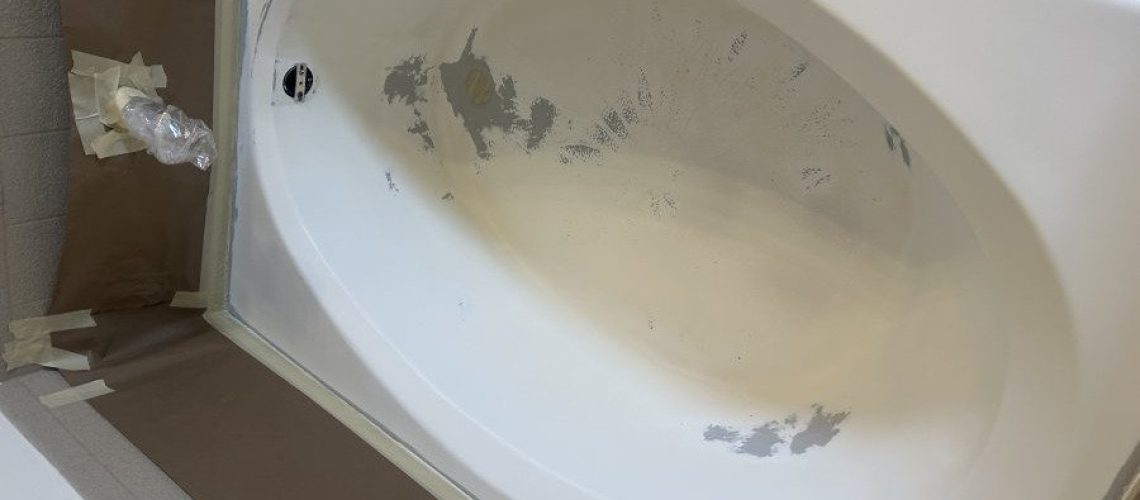
Bathtub finish peeling after one year typically results from poor surface preparation before coating, moisture trapped under the finish, or incompatible coating materials used during installation. When the surface isn’t properly cleaned and roughed up, water gets trapped underneath, or different primers and topcoats don’t bond chemically, the coating fails prematurely.
- Poor surface preparation is the most common cause of early bathtub finish peeling
- Moisture trapped between old and new coating pushes against the bond until it lifts away
- Using incompatible primers and topcoats from different product lines creates weak interfaces that fail
- Small peeling spots can sometimes be repaired at home, but most problems require professional refinishing
- Proper maintenance including soft cleaning methods and drying the tub after use extends finish life
Table of Contents
- Why Bathtub Finish Peeling Happens
- Understanding Bathtub Reglazing Peeling
- How to Fix Peeling Bathtub Paint Without Full Replacement
- Preventing Future Peeling: Maintenance and Care
- What Your Bathtub Refinishing Warranty Should Cover
- Getting Your Bathtub Refinished Professionally
- Ready to Fix Your Peeling Bathtub
- Frequently Asked Questions
Why Bathtub Finish Peeling Happens
Your bathtub finish peeling after just one year is frustrating. It shouldn’t happen that fast. When a coating fails this quickly, something went wrong during installation or the bathtub wasn’t prepared properly.
The finish doesn’t peel on its own. It peels because water gets trapped underneath, the surface wasn’t cleaned well enough before coating, or the wrong materials were used together. Understanding which problem caused yours helps you prevent it next time.
Poor Surface Preparation Before Coating
This is the most common reason bathtub finish fails early.
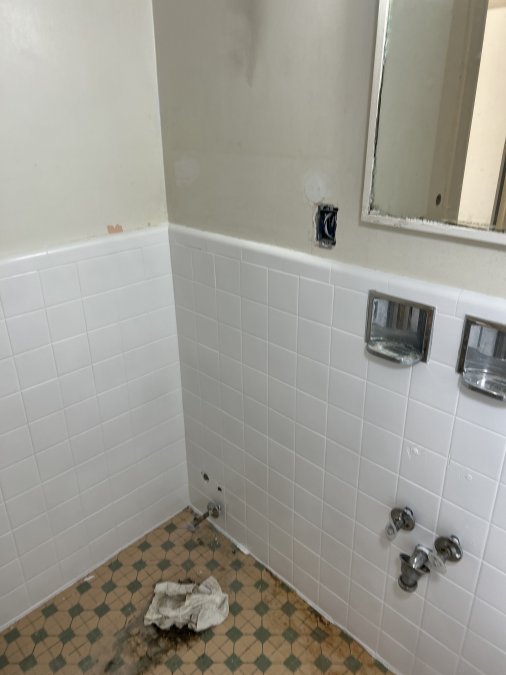
Before any coating goes on a bathtub, the surface must be completely clean and roughed up slightly. Dust, soap scum, old paint flakes, and oils prevent the new coating from bonding. If the technician skips this step or does it carelessly, the coating sits on top like paint on glass. It won’t stick.
Many DIY attempts fail here because homeowners underestimate how thorough cleaning needs to be:
- Soap residue from years of use blocks adhesion
- Mold or mildew spores weaken the bond
- Old finish flakes create weak spots
- Grease from bathroom products interferes with coating
A proper surface prep takes time. The tub needs to be stripped back to bare material, cleaned with degreaser, and sanded to create texture. Skip this and your coating will peel within months.
Moisture Trapped Under the Coating
Water is the enemy of any bathtub coating.
When moisture gets trapped between the old surface and the new coating, it has nowhere to go. It sits there, pushing against the bond, until the coating eventually lifts and peels away. This often happens when the old finish still had tiny cracks or when the tub wasn’t completely dry before coating was applied.
Bathrooms are humid environments. Even if you’re careful during application, moisture can creep in from:
- Cracks in the old finish that weren’t sealed first
- Dampness in the air during application
- Water seeping through from underneath the tub
- Incomplete drying time before the coating cured
This is why professional refinishing requires proper ventilation and extended drying time. Rushing the process is a recipe for peeling.
Incompatible Coating Materials
Not all coatings work together.
If a contractor applies a new coating over an old one without proper preparation, or uses primers and topcoats that don’t chemically bond, the layers will separate. This is especially common when DIY attempts mix different product brands or types.
The coating system matters. Acrylic coatings, epoxy, polyurethane, and enamel all have different properties. Using the wrong primer under the wrong topcoat creates a weak interface. The layers may look fine at first, but stress from temperature changes and water exposure will eventually cause them to fail.
Bathtub finish peeling after one year typically stems from one of three root causes during installation or preparation.
| Cause | What Happens | Prevention |
|---|---|---|
| Poor surface preparation | Dust, soap scum, and oils prevent coating from bonding | Strip to bare material, degrease, and sand thoroughly |
| Moisture trapped under coating | Water pushes against bond until coating lifts away | Seal cracks, ensure complete drying, provide ventilation |
| Incompatible coating materials | Different primers and topcoats fail to bond chemically | Use compatible coating system from same product line |
Understanding Bathtub Reglazing Peeling
Bathtub reglazing peeling is a specific problem with reglazed finishes. Reglazing is the process of applying a new coating layer to restore a worn bathtub surface. When done correctly, a reglazed bathtub can look brand new and last for years.
But when reglazing goes wrong, the new finish peels quickly and leaves you frustrated. The difference between a job that lasts and one that fails comes down to technique, materials, and surface preparation.
A reglazed bathtub should hold up for several years with proper care. If your reglazed bathtub is peeling after one year, the installation wasn’t done right. This is worth investigating because it tells you whether the contractor cut corners or used low-quality materials.
How to Fix Peeling Bathtub Paint Without Full Replacement
You have options when your bathtub finish peeling has started. Not every problem requires a complete refinish. Sometimes you can repair it yourself. Other times, professional intervention is necessary.
When DIY Repair Is Possible
Small peeling spots can sometimes be fixed at home.
If the peeling is limited to a small area and the damage is shallow, you might handle it yourself. This works best when only the topcoat is affected and the underlying surface is still sound.
Here’s what a DIY repair involves:
- Sand the peeling area back to solid coating
- Clean away all dust and debris
- Apply a compatible repair coating to the sanded spot
- Let it cure fully before using the tub
The challenge is finding a repair product that matches your existing finish. Color matching is difficult, and the repair spot will likely be visible. This approach is temporary, it buys you time but doesn’t solve the root problem.
You can learn more about how to fix peeling bathtub finish with a step-by-step guide that covers both DIY and professional repair methods.
When Professional Refinishing Is Necessary
Most bathtub finish peeling problems need professional attention.
If the peeling covers more than a small spot, if it’s spreading, or if you’ve tried DIY repair and it didn’t hold, professional refinishing is the answer. A professional can identify why the coating failed and apply a proper fix that will last.
Professional refinishing involves:
- Stripping the old coating completely
- Repairing any damage to the underlying tub
- Thorough surface preparation
- Applying a complete new coating system
This is more expensive than DIY repair but it solves the problem permanently. A professional refinish with a quality coating system can give you years of reliable service.
Century BathTubs has handled thousands of these repairs across the Toronto and GTA area. We strip the old finish, assess the tub for damage, prepare the surface properly, and apply our durable EP-ACRYLIC coating system.
Preventing Future Peeling: Maintenance and Care
Once your bathtub is refinished, proper maintenance keeps the finish from peeling again.
Most peeling happens because the coating degrades over time. Water exposure, harsh cleaners, and abrasion wear down the protective layer. You can slow this process significantly with the right care habits.
How to Clean a Reglazed Bathtub Safely
Cleaning method matters more than most people realize.
A reglazed bathtub finish is durable but not indestructible. Aggressive scrubbing or harsh chemicals can damage it. The right cleaning approach protects your finish and keeps it looking good for years.
Safe cleaning practices:
- Use soft cloths or sponges, never abrasive scrubbers
- Choose pH-neutral cleaners designed for coated surfaces
- Avoid bleach, vinegar, and heavy-duty degreasers
- Rinse thoroughly after cleaning
- Dry the tub after each use to prevent water spots
For detailed guidance on maintaining your reglazed bathtub, check out the complete care guide for reglazed bathtubs that covers cleaning schedules and product recommendations.
Daily Habits That Protect Your Finish
Small daily actions add up to a longer-lasting finish.
The most damaging habit is leaving standing water in the tub. Water sits on the coating, seeping into tiny pores and weakening the surface. After each use, drain the tub and wipe it dry if you have time. This single habit extends the life of your finish significantly.
Other protective habits:
- Ventilate the bathroom during and after showers to reduce humidity
- Don’t store heavy items directly on the tub surface
- Avoid jumping or putting excessive weight in one spot
- Keep soap and shampoo bottles off the tub floor to prevent staining
- Use a bath mat to reduce slipping and protect the finish
What Your Bathtub Refinishing Warranty Should Cover
A warranty protects you if the refinished bathtub fails prematurely.
Not all warranties are equal. Some cover only peeling, while others are more comprehensive. Before you choose a refinisher, understand what protection you’re getting.
A solid warranty should cover:
- Peeling or flaking of the coating
- Chipping or cracking of the finish
- Adhesion failure where the coating separates
- Discoloration or staining from the refinishing process
The warranty period matters too. A one-year warranty is minimal. A three-year warranty is more realistic for a quality refinish job. Century BathTubs backs our work with a three-year hassle-free guarantee. If your finish peels, chips, or fails during that period, we make it right.
Check the warranty details before committing. Ask what’s covered, what’s excluded, and how the warranty claim process works. A reputable refinisher stands behind their work with a meaningful warranty.
Getting Your Bathtub Refinished Professionally
Professional refinishing is the best solution for bathtub finish peeling that won’t stop.
When you decide to refinish your bathtub, you need a contractor who understands the process, uses quality materials, and prepares surfaces properly.
What to look for in a refinishing contractor:
- Licensed and insured technicians
- Years of experience with bathtub refinishing
- Clear explanation of the surface preparation process
- Quality coating system with proven durability
- Written warranty on the work
- References from past customers
The refinishing process typically takes one day for application, but the coating needs 24-48 hours to cure fully before you use the tub. During curing, ventilation is critical.
For guidance on hiring local refinishing technicians, see the complete guide to bathtub refinishing technicians which covers the process and how to evaluate contractors in your area.
If you’re comparing refinishing methods, the comparison of bathtub painting versus reglazing breaks down the pros and cons of each approach to help you choose the best option for your situation.
Ready to Fix Your Peeling Bathtub
Bathtub finish peeling after one year shouldn’t happen with proper installation. If it’s happening to you, the root cause is usually poor surface prep, trapped moisture, or incompatible materials.
You can attempt small repairs yourself, but most peeling problems benefit from professional refinishing. A quality refinish job with proper surface preparation and a durable coating system will protect your tub for years.
Century BathTubs specializes in professional bathtub refinishing across the Toronto and GTA area. We use our proven EP-ACRYLIC coating system and back every job with a three-year hassle-free guarantee.
Get started with a FREE INQUIRY to discuss your bathtub refinishing needs.
Frequently Asked Questions
Why is my bathtub finish peeling after only one year?
Bathtub finish peeling typically results from three main issues: inadequate surface preparation before coating application, moisture trapped beneath the finish, or incompatible coating materials applied over the original surface. If the tub was not properly cleaned and primed, or if water seeped under the coating, the finish cannot bond correctly and will separate. Professional refinishing with proper preparation prevents this problem.
Can a peeling bathtub finish be repaired without refinishing the whole tub?
Small peeling areas may be addressed with spot repairs if caught early, but extensive peeling usually requires full refinishing. Attempting partial repairs often results in visible seams and uneven finish. Professional refinishing removes the old coating, prepares the surface correctly, and applies a new durable finish that lasts.
How should I clean a reglazed bathtub without damaging the finish?
Use only non-abrasive cleaners and soft cloths on a reglazed bathtub. Avoid scouring pads, bleach, and acidic cleaners that can damage the coating. Wipe the tub dry after each use to prevent water spots and moisture accumulation. Never let standing water sit on the surface for extended periods. Gentle daily cleaning with mild soap and warm water keeps the finish protected and extends its life.
What should a bathtub refinishing warranty cover?
A reliable bathtub refinishing warranty should cover peeling, chipping, and coating failure under normal use for a specified period, typically three years. It should not cover damage from abrasive cleaners, impact damage, or neglect. Ensure the warranty is in writing and specifies what repairs or replacements are included. Professional refinishers who stand behind their work offer clear warranty terms and hassle-free service if issues arise.
