

Table of Contents
- Understanding Bathroom Remodel ROI for Home Sellers
- The Bathroom Remodel ROI Calculator: Step-by-Step Method
- Bathroom Renovation Cost vs. Value: What Actually Matters
- Bathroom Updates Before Selling a House: Which Upgrades Pay Off
- Bathtub Refinishing Before Selling: A Cost-Effective Alternative
- Common Mistakes When Calculating Bathroom Remodel ROI
- Frequently Asked Questions
Last Updated: October 17, 2026
Understanding Bathroom Remodel ROI for Home Sellers
When you’re preparing to sell your home in Toronto or the GTA, one question keeps coming back: does a bathroom renovation actually pay off? The answer depends on how you calculate bathroom remodel ROI. This isn’t just about gut feeling or what your neighbor did last year, it’s about tracking real numbers and understanding what actually moves the needle when buyers walk through the door.
At Century BathTubs, we’ve helped homeowners make this decision. Some choose full renovations. Others find that strategic refinishing delivers the same market impact at a fraction of the cost. Either way, knowing your ROI before you start is the difference between a smart investment and money left on the table.
The goal here is simple: walk you through exactly how to calculate whether your bathroom project will add value when you sell. We’ll show you the math, the common mistakes, and which upgrades actually work.
The Bathroom Remodel ROI Calculator: Step-by-Step Method
The best way to understand bathroom remodel ROI is to work through the calculation yourself. It’s not complicated, but it does require you to gather some specific information first. Let’s break it into four clear steps.
Step 1: Document Your Total Remodel Costs
Start by listing every dollar you’ll spend. This includes labor, materials, permits, and any unexpected costs that pop up mid-project.
Track these categories:
- Fixtures (tub, sink, toilet, faucets)
- Tile and flooring
- Labor and installation
- Paint and finishes
- Permits and inspections
- Contingency buffer (usually 10-15% of total)
Be honest about what you’re actually spending. Don’t estimate low to make the math look better. The real number is what matters.
Step 2: Research Comparable Home Sales
Now look at what similar homes in your area have sold for recently. Use local real estate listings, sold properties in your neighborhood, and comparable homes within a 1-2 block radius.
Focus on homes that are similar to yours in:
- Square footage
- Age and condition
- Number of bedrooms and bathrooms
- Overall layout and style
Check listings from the past 3-6 months. Older data skews your calculation.
Step 3: Estimate Your Home’s Value Increase
This is where it gets tricky. A bathroom renovation doesn’t add dollar-for-dollar value. The increase depends on your market, the quality of the work, and what buyers actually want.
Ask yourself these questions:
- Are bathrooms a key selling point in my neighborhood?
- Do comparable homes with updated bathrooms sell faster?
- What condition was the bathroom before the remodel?
Talk to a local real estate agent. They see what buyers are willing to pay for bathroom upgrades in your specific area. Their insight is worth more than any generic formula.
Step 4: Calculate Your Actual ROI
Now do the math. Here’s the formula:
ROI = (Value Increase – Total Costs) ÷ Total Costs × 100
Example:
- Total remodel cost: $15,000
- Estimated home value increase: $18,000
- ROI = ($18,000 – $15,000) ÷ $15,000 × 100 = 20%
A 20% ROI means you recover your investment and gain an additional 20% return. That’s solid. Anything above 15% is generally considered worthwhile.
Don’t forget to factor in the time value of money. If your project takes 3 months, you’re also carrying carrying costs and opportunity cost during that time. Faster projects with lower disruption often deliver better actual ROI.
Bathroom Renovation Cost vs. Value: What Actually Matters
The real question isn’t what a bathroom renovation costs, it’s what value it actually creates when you sell. These aren’t always the same thing.
A high-end bathroom with custom tile, heated floors, and luxury fixtures might cost twice as much as a mid-range renovation. But it won’t necessarily sell your home for twice the price. Buyers have a ceiling for what they’ll pay for a bathroom in a given neighborhood.
What moves the needle:
- Cleanliness and condition. A spotless, well-maintained bathroom outperforms a neglected luxury one.
- Functionality. Working plumbing, good lighting, and adequate storage matter more than trendy finishes.
- Safety features. Slip-resistant surfaces and proper ventilation appeal to a wider buyer pool.
- Timeless design. Neutral colors and classic fixtures age better than bold trends.
Here’s where refinishing comes in. If your bathroom is outdated but structurally sound, you don’t always need to replace everything. Sometimes restoring what you have delivers better ROI than gutting and rebuilding.
The best bathroom for resale is one that looks clean, functions properly, and feels safe. Premium finishes matter far less than you’d think.
Bathroom Updates Before Selling a House: Which Upgrades Pay Off
Not all bathroom updates are created equal. Some deliver strong ROI. Others are nice-to-haves that don’t move the sales price.
High-ROI updates:
- Fixing water damage and mold (buyers will walk away from a moldy bathroom)
- Replacing old, stained fixtures with modern ones
- Updating lighting and ventilation
- Fresh paint and caulk
- Refinishing a worn bathtub or shower surround
Lower-ROI updates:
- Luxury spa features (heated floors, rain showers, steam showers)
- High-end finishes that won’t appeal to your buyer demographic
- Structural changes that require major plumbing work
- Cosmetic changes that don’t address underlying wear
The sweet spot? Focus on visible wear and functionality first. Make the bathroom look well-maintained and safe. Then consider upgrades that appeal to your specific market.
Bathtub Refinishing Before Selling: A Cost-Effective Alternative
Here’s a strategy many sellers overlook: bathtub refinishing. If your tub is structurally sound but stained, dull, or outdated, refinishing can transform it for a fraction of replacement cost.
Refinishing works best when:
- The tub has no structural damage or deep cracks
- You’re working with a tight timeline
- You need to maximize ROI on a modest budget
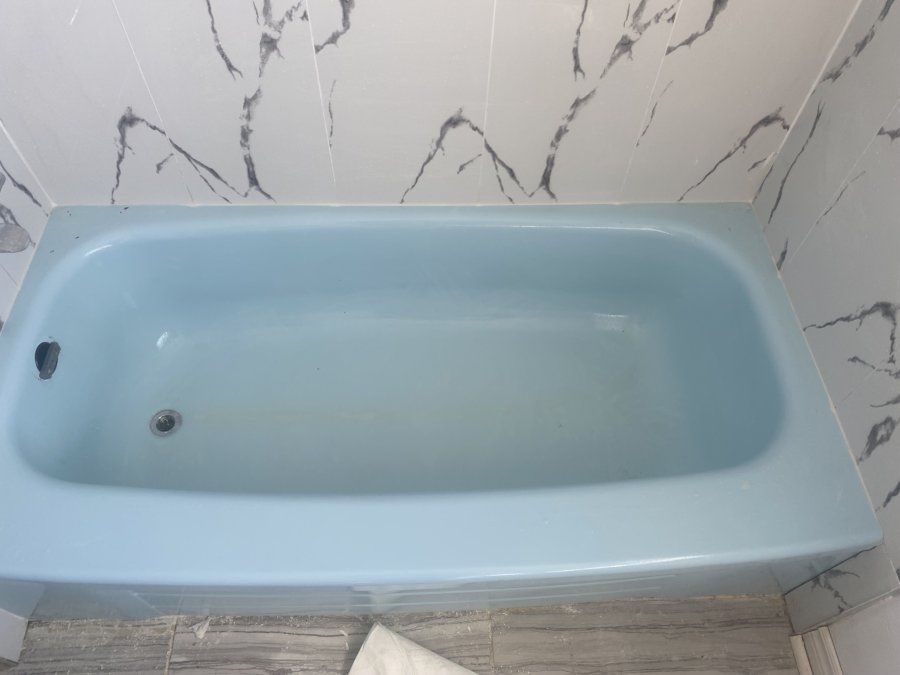
The process is fast. The coating is durable. For sellers in the Toronto and GTA area, Century BathTubs offers professional refinishing with an EP-ACRYLIC coating system that delivers a high-gloss, fresh appearance.
A refinished tub costs significantly less than replacement and installation. The visual impact is immediate. Buyers see a clean, modern-looking bathroom without the disruption of a full renovation.
Refinishing only works on solid tubs. If your tub has structural cracks, deep chips, or previous failed repairs, replacement is the better choice. A poor refinish job will hurt your resale value more than an old tub.
Common Mistakes When Calculating Bathroom Remodel ROI
Most sellers make at least one of these errors when evaluating their bathroom project.
Mistake 1: Overestimating value increase. You love your new bathroom. That doesn’t mean buyers will pay proportionally more. Market research beats personal preference every time.
Mistake 2: Forgetting hidden costs. Permits, inspections, disposal, and contingency expenses add up fast. Many projects run 10-20% over initial estimates.
Mistake 3: Ignoring your local market. A bathroom that’s a major selling point in one neighborhood might be standard in another. Know your specific area.
Mistake 4: Choosing upgrades for yourself instead of resale value. If you’re selling soon, design for buyer appeal, not personal taste. Neutral colors and timeless finishes outperform bold choices.
Mistake 5: Delaying the sale to “get your money back.” Carrying costs (mortgage, property tax, utilities) often exceed the ROI gains from waiting. Sell when the market is right, not when your math works out perfectly.
Mistake 6: Not accounting for time and disruption. A 3-month renovation means 3 months of no showings, no flexibility, and no closing date. Factor that into your decision.
Calculating bathroom remodel ROI doesn’t require guesswork. Track your costs, research your market, and be honest about what buyers will actually pay. In many cases, a strategic refinishing project delivers better returns than a full renovation, especially if your tub is structurally sound but visually tired.
If you’re in the Toronto or GTA area and considering your bathroom options before selling, Century BathTubs can help you evaluate whether refinishing makes sense for your timeline and budget. Our licensed and insured team has been restoring bathrooms since 1995. We provide a three-year hassle-free guarantee on all work. Get in touch for a free inquiry and see how refinishing compares to replacement in your specific situation.
Frequently Asked Questions
How do you calculate bathroom remodel ROI?
Subtract your total remodel costs from the estimated home value increase, then divide by the remodel costs and multiply by 100. For example, if you spend $15,000 and your home value increases by $18,000, your ROI is 20%. The formula is: (Value Increase – Remodel Cost) ÷ Remodel Cost × 100 = ROI percentage. This shows what percentage return you earn on your bathroom remodel investment when you sell.
What bathroom updates before selling a house deliver the best ROI?
Updates that address visible wear and functionality typically perform best: refinishing worn tubs and tiles, updating fixtures, improving lighting, and refreshing grout and caulk. Cosmetic improvements like paint and hardware replacement cost less and recover a higher percentage. Major structural work or luxury upgrades often don’t return their full investment. Focus on making the bathroom look clean, modern, and well-maintained rather than high-end.
Is bathtub refinishing before selling worth the investment?
Yes, bathtub refinishing before selling offers strong ROI because it’s significantly less expensive than replacement while dramatically improving appearance. A worn or stained tub signals poor maintenance to buyers, but a refinished surface looks new. The cost is typically a fraction of a full tub replacement, making it one of the most cost-effective bathroom improvements. Many sellers recover 100% or more of refinishing costs through increased buyer perception and offer prices.
How do I estimate the resale value added by a bathroom renovation?
Research recent sales of comparable homes in your area, comparing those with updated bathrooms to those with outdated ones. Real estate appraisers typically estimate that bathroom updates add 5-10% to overall home value, though this varies by location and market conditions. Use local comparable sales data as your primary guide rather than national averages. Consult a local real estate agent who can provide specific numbers for your neighbourhood.