

Last Updated: November 21, 2026
Quick Summary
Yes, you can reglaze a bathtub more than once if the existing coating is still well bonded and the surface underneath is solid. Repeat jobs depend on the tub’s condition, so a professional should check adhesion, rust and cracks before a new coat goes on.
- A sound, well-bonded coat can often take another layer
- Chips, rust and cracks need repair before recoating
- Peeling or bubbling usually means the finish has failed
- Test adhesion with a fingernail or dull scraper on an inconspicuous edge
- Abrade the existing finish to give the new primer a mechanical key
Table of Contents
- Can You Reglaze a Bathtub More Than once?
- How to Tell If a Bathtub Has Already Been Refinished
- What Limits a Second Bathtub Reglazing
- Bathtub Reglazing Preparation for a Repeat Job
- How to Refinish a Previously Refinished Bathtub
- How Long Does Bathtub Reglazing Last on a Second Coat?
- Booking a Second Reglaze or Choosing Replacement With Century BathTubs
- Frequently Asked Questions
Can You Reglaze a Bathtub More Than once?
Yes, you can reglaze a bathtub more than once, but the result depends on the condition of the existing finish. A tub can be refinished a second time when the first coat is still sound and the surface underneath is solid. The outcome usually comes down to what the tub looks like before the new coat goes on.
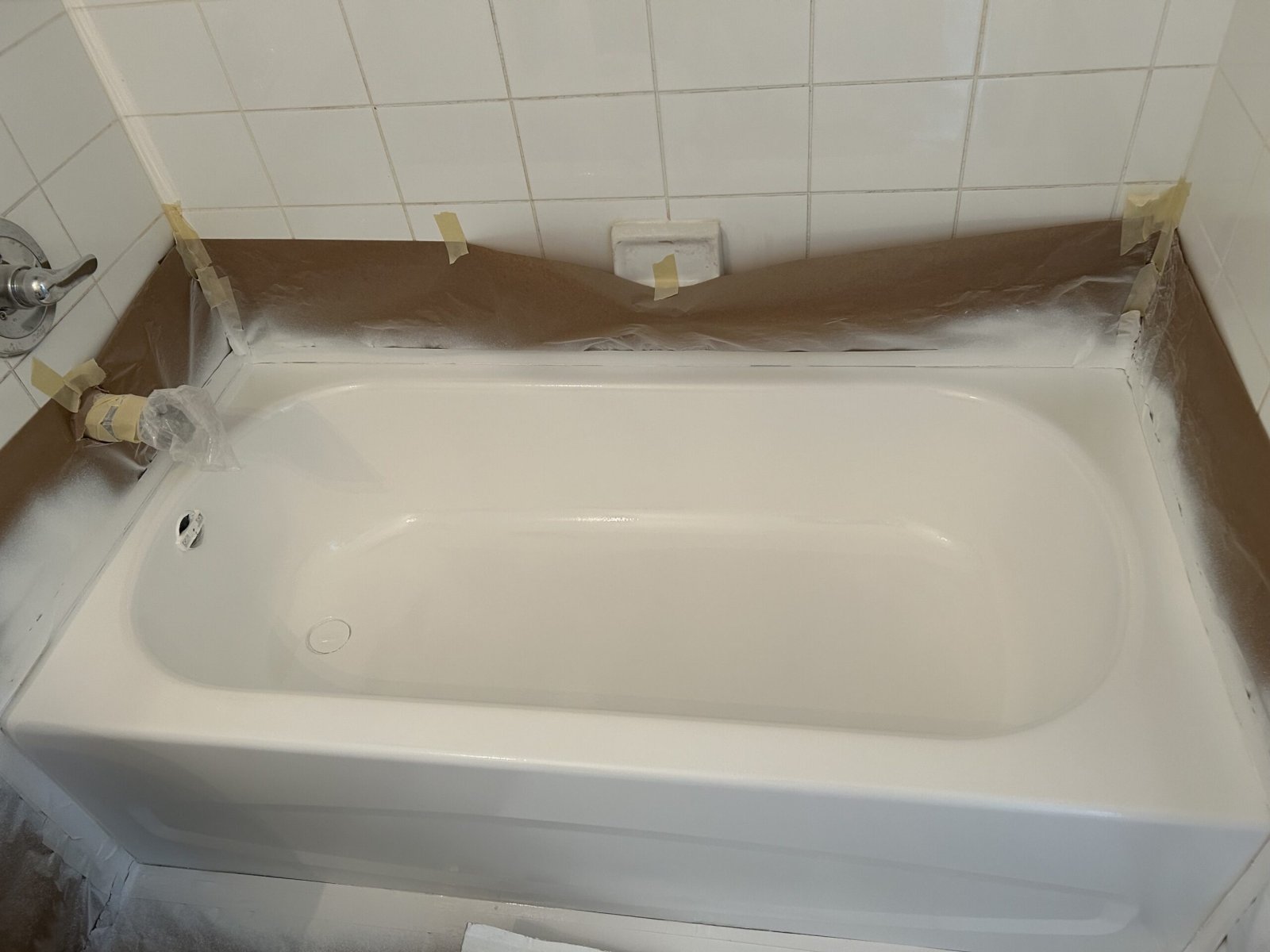
A second reglaze is not the same as the first. The existing coating must still bond to the surface, and the tub must be free of rust, deep cracks and loose material. If those conditions are met, a repeat job can restore the look of the tub at a lower cost than replacement.
- A sound, well-bonded coat can often take another layer
- Chips, rust and cracks need repair before recoating
- Peeling or bubbling usually means the finish has failed
How to Tell If a Bathtub Has Already Been Refinished
Look closely at the surface before you assume the tub is original. A refinished tub often shows a slightly different sheen, and the finish may look thicker at the edges and drain area. Many owners only learn a tub was refinished when the coating starts to wear.
Check these signs to spot a previous job:
- A glossy coating that looks different from the porcelain or enamel near the rim
- Visible edges or drips where the coating stops
- Overspray on the wall, floor or fixtures
- Paint colour that does not match the original tub colour
- Peeling or flaking in areas where the coating has lifted
If you are unsure, ask the previous owner or the company that did the work. A contractor can also test the surface and tell you what type of coating sits on top.
What Limits a Second Bathtub Reglazing
Several factors decide whether a second reglaze is worth doing. The most common limit is the condition of the existing coating. If it is badly worn, peeling or lifting, a new layer will not bond properly and is likely to fail early. The hidden condition of previous coating layers often determines the outcome more than the visible surface.
Use this inspection checklist to judge whether a tub is a good candidate for a second reglaze:
- Adhesion test: Press a fingernail or dull scraper into an inconspicuous edge of the existing coating. If it lifts or flakes easily, the bond is compromised.
- Rust check: Look for orange-brown staining or bubbling near the drain, overflow and seams. Rust that has penetrated the base material usually means the tub needs repair before any new coating.
- Chip and crack depth: Shallow chips that do not reach the substrate can be filled. Cracks that run through the tub body or feel soft when pressed indicate structural damage.
- Bubbling or blistering: Any raised or hollow-sounding areas suggest moisture or poor adhesion underneath. These must be removed and repaired, not coated over.
- Contamination: Heavy soap scum, hard water scale or adhesive residue can prevent bonding. The surface must be clean and dull before recoating.
- Previous coating thickness: Multiple layers can build up and become brittle. If the coating looks unusually thick at the drain or edges, a professional may need to assess whether stripping is safer than adding another layer.
If more than one item fails, the tub may need stripping, repair or replacement instead. A professional inspection is the best way to make that call, because many problems are hidden under the surface. In Toronto, ask the contractor whether they will test adhesion in several spots and whether they will remove loose material before quoting. A written assessment of the existing coating is a reasonable request and helps you compare options.
Watch out: A tub that looks sound but has a history of peeling in the same spot is a sign of a preparation or compatibility problem, not just wear. Coating over it again without addressing the cause will likely fail again.
Bathtub Reglazing Preparation for a Repeat Job
Preparation matters more on a second job than on the first. The new coating has to bond to the old one, so the surface must be cleaned, roughened and free of loose material. Skipping steps here is the most common reason repeat work fails. Preparation also needs to account for fumes and drying conditions, especially in bathrooms with limited ventilation.
A typical preparation process for a previously refinished tub includes these steps:
- Clean and degrease: Remove soap scum, oils and residue with a degreaser. Pay attention to the drain, overflow and seams where buildup collects.
- Inspect and test adhesion: Check for chips, rust, cracks and loose coating. Test a small area to see whether the existing finish is firmly bonded.
- Remove loose material: Sand or scrape any peeling or bubbling areas back to a sound edge. Do not feather over loose edges.
- Repair damage: Fill chips and shallow cracks with a suitable filler and let it cure fully. Rust spots need to be treated and sealed before coating.
- Abrade the surface: Sand the existing finish to create a dull, grippy surface. This step is critical for a second coat because the new primer needs a mechanical key.
- Clean again: Remove all dust with a tack cloth or vacuum before applying any primer or topcoat.
Ventilation and household precautions are also important during preparation. Open windows, run an exhaust fan and keep children and pets out of the room until the work is finished and the area is safe. Check whether your building has rules about odors or trades working after hours, and plan for a few days of limited bathroom use while the coating cures.
Watch out: Sanding a previous coating can release dust that is harmful to breathe. Wear a suitable mask and eye protection, and seal doorways if the bathroom is near living areas. If you are unsure what type of coating is on the tub, a professional can identify it and choose a compatible primer.
How to Refinish a Previously Refinished Bathtub
Refinishing a previously refinished tub follows the same basic process as a first job, but the bonding step needs extra attention. The goal is to give the new primer and topcoat a solid surface to grip, without removing so much of the old finish that the tub is weakened.
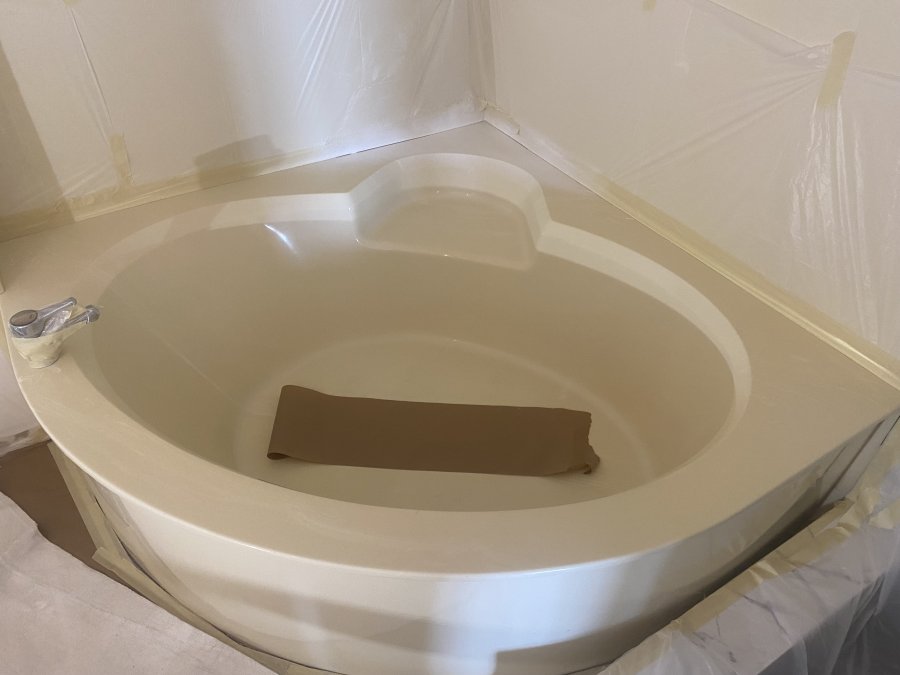
The general process is:
- Apply a suitable primer designed for adhesion to the existing finish
- Let the primer cure fully before continuing
- Apply the topcoat in thin, even layers
- Allow each layer to dry according to the product instructions
- Keep the room closed and ventilated during curing
Drying and curing times vary with the product and the room conditions. Rushing the process can cause bubbles, poor adhesion and an uneven finish.
How Long Does Bathtub Reglazing Last on a Second Coat?
A second coat usually lasts less time than a first coat, because the bond between layers is never as strong as the bond to the original surface. Lifespan depends on how well the tub was prepared, how it is used and how it is cleaned afterward.
Several factors affect how long a second reglaze lasts:
- The condition of the surface before recoating
- The quality of the preparation and bonding steps
- How often the tub is used and how hard it is scrubbed
- The cleaning products used on the finish
- Whether the coating was cured properly before use
Century BathTubs offers a three-year hassle-free guarantee on its work. Use gentle, non-abrasive cleaners and avoid harsh scrubbing pads to help the coating last. Check the guarantee terms when you book, because coverage can depend on the condition of the tub at the start.
Booking a Second Reglaze or Choosing Replacement With Century BathTubs
If your tub is a good candidate, a second reglaze is often the most cost-effective choice. It restores the look of the tub without the mess and expense of a full replacement. If the tub has deep cracks, widespread rust or a failed coating, replacement may be the better long-term option.
Century BathTubs provides professional bathtub refinishing and reglazing services in Toronto and the GTA. Our trained, licensed and insured technicians can help you assess the tub before work begins. For current pricing and to talk through your options, contact Century BathTubs for a free inquiry.
Frequently Asked Questions
Can you reglaze a bathtub more than once?
In many cases, yes. A tub can usually be reglazed again if the existing coating is still bonded to the surface and the substrate is sound. The limit is set by condition rather than a fixed number of coats. Each added layer adds thickness and can change how the surface wears, so the finish must be tested and prepared carefully before recoating. Surfaces with rust, deep cracks, or widespread peeling often need repair or replacement first. A Century BathTubs technician can inspect the tub and confirm whether a second reglaze is a sound option.
How do you know if a bathtub has been reglazed before?
Look for uneven texture, a surface that feels slightly thicker at the edges, drips or ridges near the drain and overflow, and a finish that looks glossier or more uniform than the rest of the bathroom. Peeling or bubbling at the rim, or a color that does not match the original fixture, can also signal earlier work. Ask the previous owner or the building manager for records. If the history is unclear, an inspection before booking the job will show what coating layers are present.
How long does bathtub reglazing last?
Lifespan depends on the coating system, the quality of surface preparation, the tub material, and how the tub is used and cleaned. A properly prepared and applied reglaze can last several years in a residential bathroom. Century BathTubs backs its work with a three-year hassle-free guarantee. A second reglaze on a tub that was prepared well the first time can perform similarly, but poor adhesion or heavy use will shorten the service life. Gentle, non-abrasive cleaning helps protect the finish.
Is it better to reglaze a bathtub again or replace it?
Reglazing again is usually the more practical choice when the tub structure is sound and the existing coating still bonds well. Replacement becomes the better option when the tub has cracks through the base, extensive rust, or a substrate that will not hold new coating. Reglazing is generally more affordable than replacement, but pricing depends on the size and condition of the tub, so request a quote from Century BathTubs for current pricing. Compare the expected lifespan and the disruption of each option before deciding.
