

Table of Contents
- What Is Professional Bathtub Resurfacing?
- Understanding the Bathtub Refinishing Process
- How Long Does Bathtub Reglazing Take?
- Bathtub Resurfacing vs Replacement: Which Makes Sense?
- What Bathtub Resurfacing Reviews Reveal About Quality and Durability
- Key Factors to Consider When Choosing a Resurfacing Service
- Frequently Asked Questions
Last Updated: October 14, 2026
What Is Professional Bathtub Resurfacing?
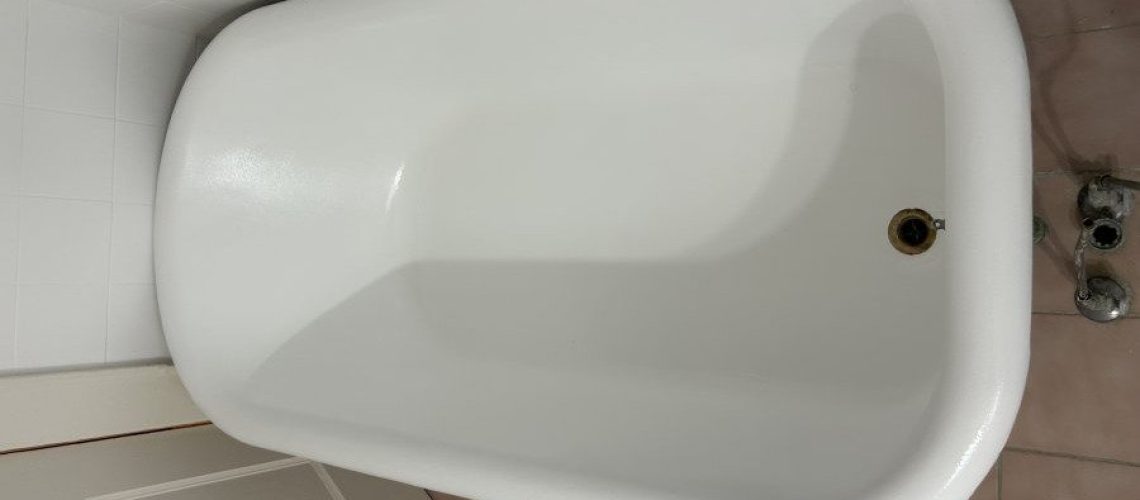
Professional bathtub resurfacing is the process of restoring a worn, faded, or damaged bathtub by applying a durable coating system to its existing surface. Rather than removing and replacing the entire tub, resurfacing extends its life and improves its appearance at a fraction of the cost of replacement.
At Century BathTubs, we’ve been helping Toronto and GTA homeowners and property managers restore their bathrooms since 1995. The resurfacing process involves cleaning, repairing minor damage, and applying a specialized coating that bonds to the original surface. This approach works on any kind of bathtubs.
The main advantage is affordability. A full bathtub replacement requires plumbing work, disposal of the old unit, and installation of new fixtures. Bathtub resurfacing eliminates those complications. You keep your existing tub and get a restored surface that looks and performs like new.
Resurfacing also protects against a hidden risk in older homes: lead contamination. Cast iron tubs from pre-1980s homes may contain lead in their finishes. Resurfacing seals that surface, preventing exposure without the disruption and expense of full removal.
Understanding the Bathtub Refinishing Process
The bathtub refinishing process follows a structured sequence designed to ensure durability and a professional finish. Each step matters because shortcuts at any stage compromise the final result.
Surface Preparation and Inspection
Proper surface preparation determines whether the coating will adhere and last. The process begins with a thorough inspection of the tub’s condition. The technician assesses cracks, chips, and stains to determine if resurfacing is viable or if replacement is necessary.
Once inspection is complete, the surface undergoes rigorous cleaning to remove soap residue, hard water deposits, and old finishes. This step is critical because any contaminant left behind prevents the new coating from bonding properly. After cleaning, the surface is sanded or abraded to create texture that helps the coating grip.
Minor chips and cracks are filled with specialized repair compounds. A licensed technician can advise on the best solution.
Application of Durable Coating
Once the surface is prepared, the coating system is applied in layers. Century BathTubs uses an EP-ACRYLIC coating system, which provides durability and fast drying compared to older epoxy or polyester alternatives.
The entire application process usually takes a few hours, though the tub remains out of service during curing.
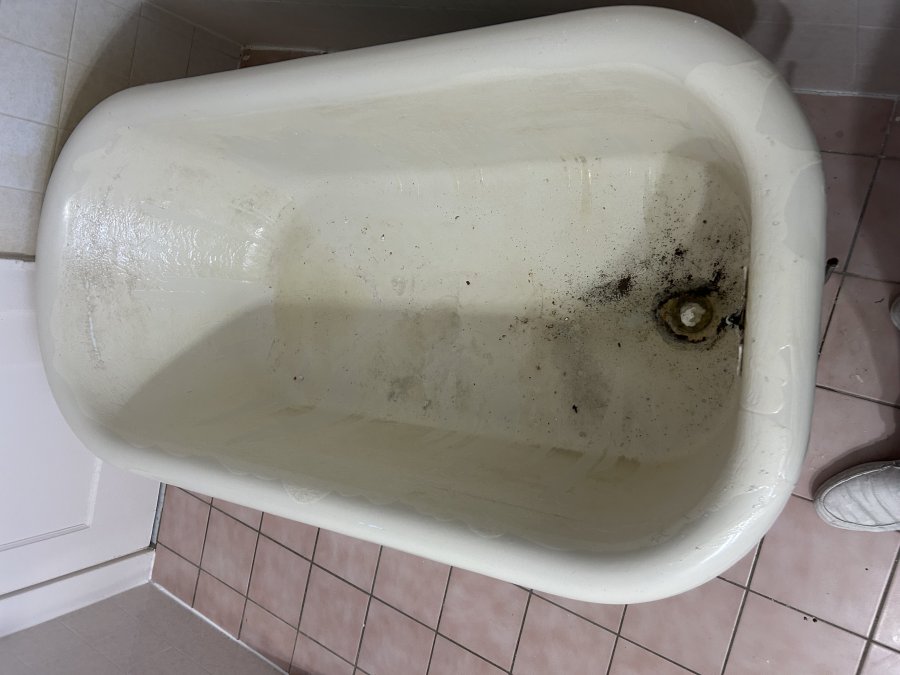
After the final coat is applied, the tub enters a curing phase. Modern acrylic coatings cure faster than traditional epoxy systems, allowing the tub to be used within 24-48 hours in many cases.
The quality of bathtub resurfacing depends almost entirely on surface preparation. A hastily prepared surface will fail regardless of coating quality.
How Long Does Bathtub Reglazing Take?
The actual reglazing work typically takes 4-8 hours depending on the tub’s condition and the complexity of repairs needed. However, total project time includes preparation, application, and curing.
For a straightforward resurfacing job with minimal damage, the technician can complete surface prep and coating application in a single visit. The tub is ready for light use within 24 hours and can handle normal use within 48 hours. Full curing takes 2-3 weeks, during which the coating continues to harden.
If the tub requires significant repairs, the job may take longer.
Turnaround time matters for rental properties and commercial spaces. Many property managers in Toronto and the GTA choose resurfacing specifically because it can be scheduled around occupancy. A bathtub replacement forces extended downtime; resurfacing minimizes disruption.
Bathtub Resurfacing vs Replacement: Which Makes Sense?
The choice between resurfacing and replacement depends on the tub’s condition, your budget, and your timeline.
When Resurfacing Is the Better Choice
Bathtub resurfacing makes sense when the tub’s structure is sound but its appearance or surface condition has deteriorated. If the tub holds water without leaking, has no large cracks, and the damage is cosmetic or minor, resurfacing is almost always the better option.
Resurfacing is also the practical choice when you need the bathroom functional quickly. Replacement requires plumbing disconnection, old tub removal, new fixture installation, and tile or wall work around the new tub. This process takes days or weeks. Resurfacing takes hours and keeps the bathroom functional within 24-48 hours.
For landlords managing multiple units, resurfacing is cost-efficient at scale. Refreshing five bathrooms through resurfacing costs significantly less than replacing five tubs, and the work can be scheduled without lengthy vacancy periods.
Avoid resurfacing if the tub has structural damage like large cracks, severe rust perforation, or if it’s leaking. In these cases, replacement is the only viable solution.
When Full Replacement May Be Necessary
Full replacement becomes necessary when structural damage is severe. Resurfacing cannot repair structural failure.
Replacement is also the right choice if you want to change the tub’s size, shape, or style. If your bathroom layout is being renovated and you want a different fixture configuration, replacement gives you flexibility that resurfacing cannot.
Additionally, if a tub has been resurfaced multiple times and the coating is failing again, replacement may be more cost-effective than repeated resurfacing.
What Bathtub Resurfacing Reviews Reveal About Quality and Durability
Customer feedback on bathtub resurfacing consistently highlights durability as a key factor. Homeowners and property managers report that professionally applied coatings hold up well under normal use when applied by licensed technicians.
The most common complaint from poor-quality resurfacing is premature peeling or chipping. This typically results from inadequate surface preparation or the use of inferior coating systems.
Positive reviews emphasize the cost savings compared to replacement and the speed of the work. Customers appreciate that they can have their bathroom restored and functional within two days rather than waiting weeks for a full renovation.
Durability varies by coating system. Acrylic coatings like the EP-ACRYLIC system used by Century BathTubs offer better longevity and faster drying than older epoxy systems.
Key Factors to Consider When Choosing a Resurfacing Service
Selecting the right professional bathtub resurfacing provider is critical to getting a lasting result.
Licensing, Insurance, and Track Record
Always verify that the company is licensed and insured. Licensing ensures the technician has met training standards and understands proper application techniques. Insurance protects you if something goes wrong during the work.
A company’s track record matters. How long have they been in business? Can they provide references from previous customers? A business that has operated for decades like Century BathTubs, established in 1995, has weathered market changes and maintained customer relationships over time.
Ask about guarantees on the work. A professional company stands behind their coating with a written guarantee. This commitment reflects confidence in their materials and application process.
Coating System and Durability Guarantees
Different coating systems offer different durability profiles. Acrylic coatings dry faster and cure harder than epoxy.
Ask which coating system the company uses and why. The EP-ACRYLIC coating system, for example, offers fast drying and reliable durability.
Guarantees should be in writing and specify what is covered. A three-year hassle-free guarantee means the coating is protected against peeling, chipping, and failure under normal use. Understand what “normal use” means and what’s excluded.
Turnaround Time and Service Flexibility
For property managers and homeowners with tight schedules, turnaround time is critical. Can the company accommodate your timeline? Do they offer weekend or evening appointments?
Commercial properties and rental units require flexibility. A company that can schedule multiple bathrooms across several units and coordinate the work efficiently saves time and money.
Ask about their process for handling issues. If a problem arises after the work is complete, can you reach them quickly? Professional companies maintain responsive customer service, especially under warranty.
Property managers with multiple units benefit most from companies that can handle batch scheduling and provide licensed, insured work with written guarantees. Toronto and GTA landlords managing five or more bathrooms should prioritize companies experienced with commercial-scale projects.
Frequently Asked Questions
How long does a professionally resurfaced bathtub last?
A professionally applied bathtub resurfacing typically lasts 3 to 5 years with proper care. The durability depends on the coating system used, water quality, and how frequently the tub is used. High-quality EP-ACRYLIC coatings like those used by experienced providers offer three-year guarantees, and many last considerably longer when maintained properly. Avoiding abrasive cleaners and excessive moisture helps extend the lifespan.
Can a professional resurface a chipped or stained bathtub?
Yes, most chipped and stained bathtubs can be resurfaced successfully. Professional technicians assess the damage during inspection and prepare the surface thoroughly to ensure the new coating adheres properly. Minor cracks and chips are typically filled and sealed before coating. However, severe structural damage or deep cracks may require replacement instead. A licensed professional can evaluate your specific tub and recommend the best solution.
Is bathtub resurfacing worth it compared with replacing the tub?
Bathtub resurfacing is often the more cost-effective option, especially for cast iron or older tubs. Replacement involves demolition, plumbing work, and disposal costs that significantly exceed resurfacing. Resurfacing extends your tub’s life without the expense and disruption of full replacement. It’s particularly valuable if your tub is structurally sound but cosmetically worn. For tubs with major structural issues, replacement may be the only viable option.
How long does the actual resurfacing work take, and when can I use my bathtub again?
Professional bathtub resurfacing typically takes 2 to 4 hours for the application process, though the full project including drying time may span 24 to 48 hours. Most providers recommend waiting 24 to 48 hours before using the tub to allow the coating to cure fully. Some high-quality coatings cure faster, reducing downtime. Confirm curing times with your service provider before scheduling, especially if bathroom access is critical for your household or rental property.
Choosing professional bathtub resurfacing in Toronto and the GTA saves money and extends the life of your fixtures. The key is selecting a licensed, insured provider with a proven track record. Century BathTubs has served the region since 1995 with trained technicians, durable EP-ACRYLIC coatings, and a three-year hassle-free guarantee on all work. Get a free inquiry today to learn how resurfacing can restore your bathroom affordably and quickly.