

Table of Contents
- What Maintenance Fees Are Tax Deductible on Rental Property
- Condo Fees Tax Deductible on Rental Property in Canada
- Rental Property Repairs vs Capital Improvements
- Rental Property Maintenance Expenses Examples
- How to Claim Maintenance Fee Deductions on Your Tax Return
- Rental Property Expense Record Keeping
- Frequently Asked Questions
Last Updated: October 10, 2026
What Maintenance Fees Are Tax Deductible on Rental Property
When you own a rental property, understanding which expenses you can deduct from your taxes is crucial. Maintenance fees tax deductible status depends on whether the work maintains your property’s current condition or improves it. The Canada Revenue Agency (CRA) treats these two categories differently, and getting it wrong can cost you thousands in missed deductions or audit penalties.
At Century BathTubs, we work with property owners and managers throughout the Toronto area who need to understand how bathroom refinishing and repairs affect their rental income taxes. The difference between deductible maintenance and non-deductible capital improvements isn’t always obvious, but it directly impacts your annual tax bill.
Deductible maintenance expenses
Deductible maintenance expenses are costs that keep your rental property in good working condition without adding permanent value. These expenses are fully deductible in the year you incur them.
Common deductible maintenance includes:
- Fixing leaky faucets or pipes
- Repainting walls or ceilings
- Replacing worn flooring
- Bathtub refinishing to restore appearance and function
- Repairing broken windows or doors
- Fixing drywall damage or patching holes
- Routine HVAC servicing
The key test is whether the work restores the property to its original condition. If you’re fixing something that’s broken or worn out, it’s maintenance.
Non-deductible expenses
Capital improvements add lasting value to your property and extend its useful life. These cannot be deducted immediately. Instead, you claim them through depreciation over many years.
Non-deductible capital expenses include:
- Replacing an entire roof
- Installing new kitchen cabinets
- Adding a new bathroom
- Upgrading electrical systems
- Installing new flooring throughout the property
- Major structural repairs
- Adding insulation or upgrading HVAC systems
The CRA looks at whether the work creates something new or substantially different from what existed before.
Condo Fees Tax Deductible on Rental Property in Canada
If you own a condo as a rental property, condo fees tax deductible status requires careful attention. Most condo fees are not directly deductible as maintenance expenses because they cover building-wide expenses, not your individual unit.
However, the portion of your condo fees that covers building maintenance and repairs may be deductible. You need to request a detailed breakdown from your condo corporation to identify which components are maintenance versus capital improvements.
Common condo fee components include:
- Building insurance (deductible)
- Common area maintenance (deductible)
- Roof replacement reserves (not deductible)
- Parking lot repairs (deductible)
- Elevator maintenance (deductible)
- Structural repairs (not deductible)
Keep documentation from your condo corporation showing exactly what your fees cover. This becomes essential if the CRA questions your deductions.
Rental Property Repairs vs Capital Improvements
The distinction between repairs and capital improvements determines your tax treatment. Understanding how the CRA distinguishes between them protects your deductions and prevents costly mistakes.
How the CRA distinguishes repairs from improvements
The CRA uses a practical test: does the work restore the property to its original condition, or does it create something materially different? Repairs maintain current condition. Improvements enhance, upgrade, or extend the property’s useful life.
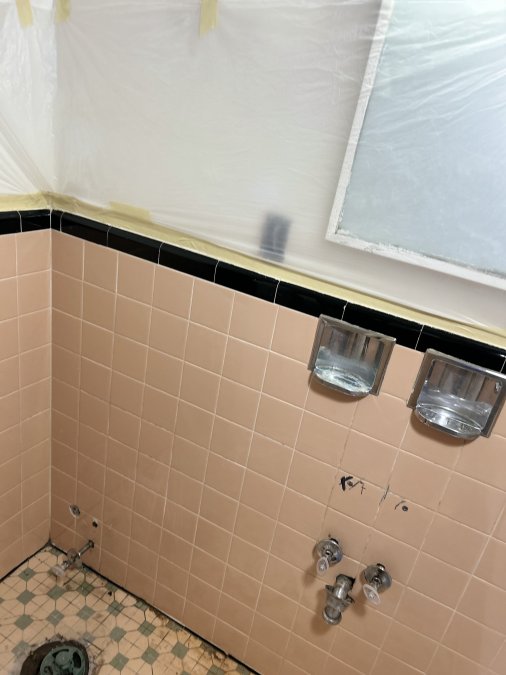
Consider bathroom work as an example. A bathtub refinishing job that restores a worn tub to working condition is maintenance. Replacing that tub with a brand-new luxury model is a capital improvement. When Century BathTubs refinishes a bathtub in a Toronto rental property, the work typically qualifies as deductible maintenance because it restores functionality without adding permanent new value.
The CRA also considers:
- Cost relative to property value (small repairs are deductible; major work may be capital)
- Whether the work extends the asset’s life or just maintains it
- Whether materials or components are replaced or restored
- The nature of the work (restoration vs. replacement)
| Repair or Maintenance | Capital Improvement | CRA Treatment |
|---|---|---|
| Fixing leaks or cracks | Replacing entire system | Immediately deductible |
| Refinishing surfaces | Installing new surfaces | Deductible in year incurred |
| Patching drywall | Adding new rooms | Depreciated over years |
| Repainting | Upgrading to premium finishes | Deductible immediately |
Examples and documentation requirements
Real-world examples clarify the distinction. If your rental bathroom has a worn bathtub that’s still functional but looks tired, refinishing it is deductible maintenance. If the tub is cracked and leaking water into the unit below, repairing or refinishing it is also deductible because you’re addressing a functional problem.
Documentation requirements are strict. Keep:
- Invoices showing exactly what work was performed
- Photos before and after the work
- Receipts for all materials and labour
- Contractor licenses and insurance information
- Descriptions of why the work was necessary
The CRA expects you to distinguish between routine maintenance invoices and capital improvement contracts. An invoice that says “bathroom refinishing” is clear. An invoice that says “bathroom renovation including new fixtures, tile, and plumbing” suggests capital work.
Rental Property Maintenance Expenses Examples
Here are realistic examples of expenses rental property owners deduct in Toronto and the GTA:
Clearly deductible maintenance:
- Caulking around bathtubs and showers
- Fixing running toilets or leaky faucets
- Patching drywall holes
- Repainting a bedroom
- Bathtub refinishing to restore appearance
- Replacing weather stripping on windows
- Fixing broken cabinet hinges
Clearly non-deductible capital improvements:
- Installing a new bathroom
- Replacing the entire roof
- Adding a second bedroom
- Upgrading plumbing from copper to PEX
Grey-area expenses requiring CRA guidance:
- Replacing flooring in one room, depends on whether you’re restoring or upgrading
- Repainting the entire property, usually deductible if it’s routine maintenance
- Fixing foundation cracks, depends on severity and whether it’s structural
When in doubt, consult a tax accountant familiar with rental property rules. The cost of professional advice is far less than an audit or reassessment.
How to Claim Maintenance Fee Deductions on Your Tax Return
Claiming deductions requires proper reporting on your tax return. Most rental property owners use Form T776 (Statement of Rental Income) to report rental expenses to the CRA.
On your T776, you list maintenance and repairs as a line item. The CRA expects you to separate:
- Maintenance and repairs (fully deductible)
- Property tax
- Insurance
- Utilities
- Condo fees (if applicable)
- Mortgage interest (not principal)
- Property management fees
Keep detailed records organized by category. If you claim $5,000 in maintenance expenses, be prepared to show invoices totaling $5,000. Random estimates or round numbers raise red flags during audits.
For rental properties in Toronto, property-specific documentation is essential. The CRA recognizes that maintenance costs vary by property age, location, and condition. A 50-year-old property will have higher maintenance costs than a new condo.
Rental Property Expense Record Keeping
Proper record keeping protects your deductions and proves your claims if audited. The CRA can request documentation up to six years after filing.
Documentation standards for CRA audits
Maintain organized files for each property. Include:
- Original invoices and receipts (not just bank statements)
- Contractor information and licenses
- Detailed descriptions of work performed
- Before-and-after photos for significant work
- Correspondence with contractors about the scope of work
- Property inspection reports if relevant
The CRA looks for consistency. If you claim $500 in bathtub refinishing one year and $0 the next, they may question whether the work was actually done. Conversely, if you claim $10,000 annually in maintenance for a small condo, they may audit to verify the expenses are legitimate.
Digital vs paper records
Digital records are now preferred by the CRA. Store:
- Scanned invoices organized by year and property
- Photos in dated folders
- Email correspondence with contractors
- Spreadsheets tracking expenses by category
Keep digital backups in cloud storage (not just your computer). If you face an audit, producing organized digital records is faster and more convincing than a shoebox of receipts.
Paper records are acceptable but harder to organize. If you keep paper files, use folders labeled by year and property, with receipts in chronological order.
Understanding which expenses qualify as deductible maintenance protects your rental income and reduces your tax burden. The line between repairs and capital improvements isn’t always clear, but the CRA provides guidance, and tax professionals can help you navigate grey areas. For rental property owners in the Toronto area managing multiple units, working with a tax accountant familiar with rental property rules is a smart investment. When you need bathroom maintenance or refinishing work on your rental properties, Century BathTubs offers professional refinishing services backed by a three-year guarantee. Get started with a free inquiry to discuss your rental property maintenance needs and how refinishing can restore your bathrooms affordably.
Frequently Asked Questions
Are maintenance fees tax deductible on a rental property in Canada?
Yes, maintenance fees directly related to keeping your rental property in working condition are generally tax deductible. The Canada Revenue Agency allows landlords to deduct ordinary maintenance and repair expenses. These include painting, plumbing repairs, roof maintenance, and appliance servicing. The key is that the expense must maintain the property’s current condition rather than improve or upgrade it. Keep receipts and invoices to support your claims.
Can I deduct condo fees for a rental property in Canada?
Condo fees paid on a rental property are tax deductible as a rental expense. These fees typically cover common property maintenance, utilities, and building insurance. Since condo fees are mandatory and directly related to operating your rental property, the CRA treats them as a legitimate expense. However, if any portion of your condo fees is allocated to capital improvements like building renovations, only the maintenance portion is deductible in that year.
What is the difference between a repair and a capital improvement for tax purposes?
A repair restores property to its original working condition and is fully deductible in the year incurred. A capital improvement adds value, prolongs life, or adapts the property to new use, and must be depreciated over time. For example, fixing a leaking roof is a repair; replacing the entire roof is a capital improvement. The CRA examines the nature, extent, and cost of work. Generally, small repairs are considered maintenance, though context matters. When in doubt, consult a tax professional.
What records should I keep for rental property maintenance expenses?
Keep all receipts, invoices, and payment records for at least six years. Document the date, vendor name, amount, and nature of the expense. For larger projects, photograph the work before and after. Maintain a log or spreadsheet categorizing expenses by type (plumbing, electrical, painting, etc.). Digital copies are acceptable if they’re clear and complete. If audited, the CRA will request proof that expenses were actually incurred and relate directly to your rental property.