

Last Updated: November 21, 2026
Quick Summary
To maintain a reglazed bathtub finish, wait several days before full use, then clean gently with mild, non-abrasive products and dry the surface after each use. Avoid bleach, abrasive powders, steel wool, and suction-cup mats, since these can dull, scratch, or lift the coating.
- Do not use the tub for the first 24 hours after reglazing.
- Full cure is typically reached around seven days, depending on the coating system.
- Rinse and wipe the tub after each use, with a full clean weekly.
- Choose cleaners labeled non-abrasive or safe for acrylic, and check the ingredient list.
- Use a bath mat without suction cups to avoid pulling or lifting the coating.
Table of Contents
- Why a Reglazed Bathtub Finish Needs Different Care
- Wait Long Enough Before First Use After Reglazing
- How to Clean a Reglazed Bathtub Without Damaging the Coating
- Safe Cleaners for Reglazed Tubs and Products to Avoid
- How to Prevent Scratches on a Bathtub Finish
- Troubleshooting Common Finish Problems and Winter Care in Toronto
- Booking Professional Help for Your Reglazed Tub
- Frequently Asked Questions
Why a Reglazed Bathtub Finish Needs Different Care
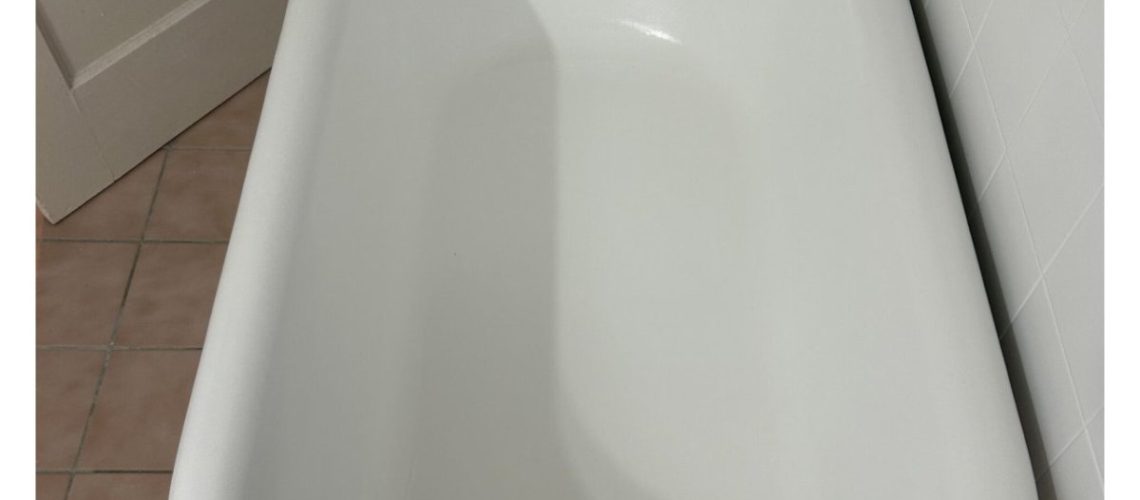
A reglazed bathtub finish is a new coating sprayed or applied over the original surface. It looks like new, but it is softer and more sensitive than the factory finish in its first months. Harsh cleaners, abrasive scrubbers, and rough handling can dull, scratch, or lift it.
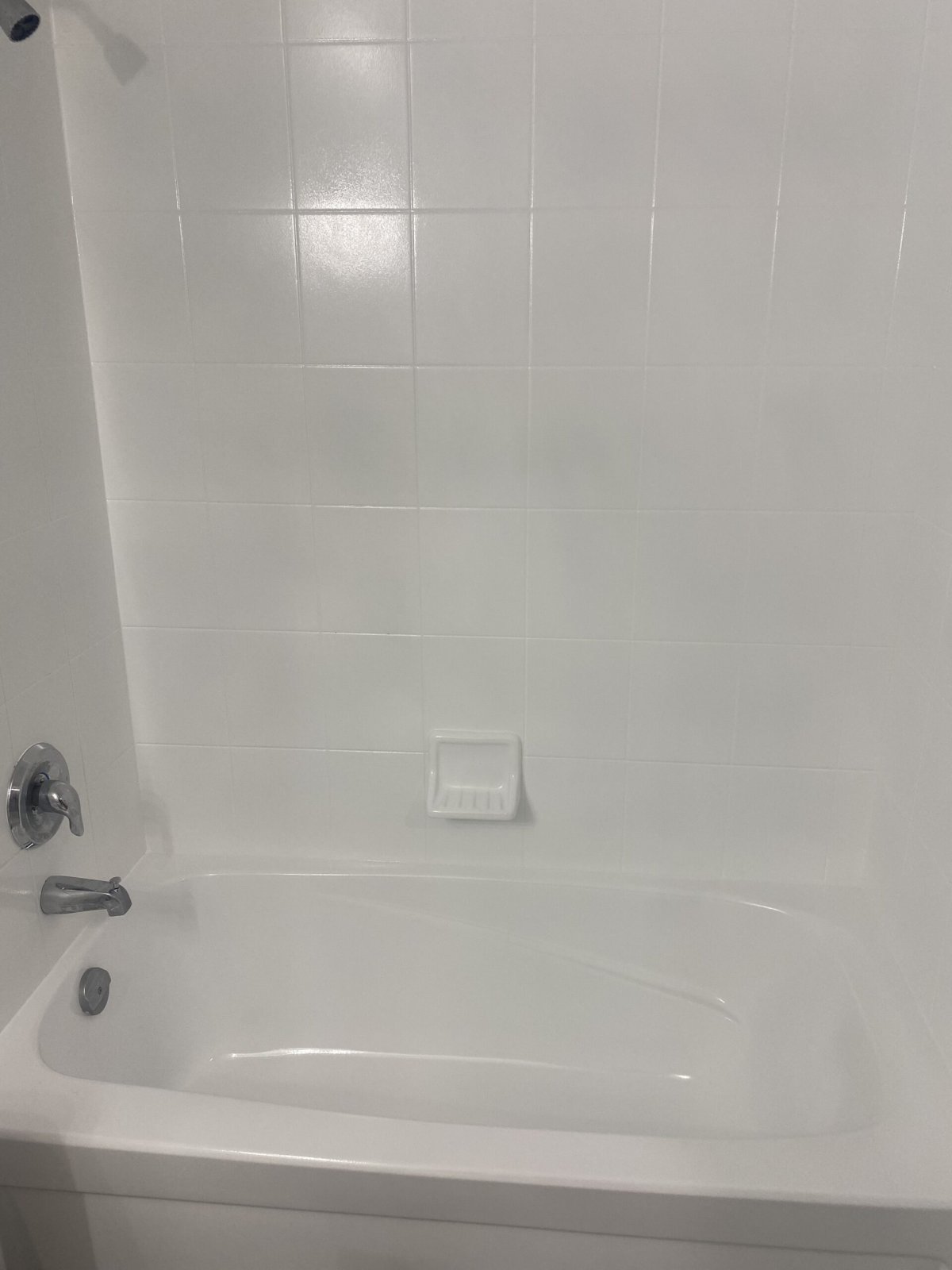
Most damage comes from everyday habits, not from one big mistake. Our guide on how to prevent bathtub stains from coming back covers proven cleaning routines and non-abrasive products that protect the surface over time. Care is simple once you know what to avoid.
Century BathTubs refinishes bathtubs and shower tiles, using the EP-ACRYLIC coating system. Most of the problems that affect a reglazed finish are easy to prevent.
- Clean with mild, non-abrasive products
- Avoid steel wool, stiff brushes, and rough scrubbers
- Dry the surface after use to limit water spots
- Protect the finish from heavy impacts and dropped items
Wait Long Enough Before First Use After Reglazing
The coating needs time to cure before it can handle normal use. Using the tub too soon can leave marks or a soft spot that is hard to fix. Curing is not a single moment; it is a gradual process where the coating hardens, releases solvent, and reaches full chemical resistance. Full cure can take several days to a week or more depending on the coating system, bathroom temperature, humidity, and film thickness.
Follow the timing given by your refinisher above any general guidance. The schedule below is a general framework, not a substitute for the coating-specific instructions you should receive in writing.
- 0 to 24 hours: Do not use the tub at all. Keep water, soap, and objects off the surface. Avoid standing or kneeling on the tub. Keep pets and children away.
- 24 to 48 hours: Many acrylic urethane systems allow light water contact, but confirm with your refinisher. Do not scrub, use cleaners, or place heavy items on the surface.
- 48 to 72 hours: First bathing may be permitted for some coatings. Use only mild soap and warm water, rinse thoroughly, and dry with a soft cloth. Do not use bath mats, suction cups, or stick-on accessories yet.
- 3 to 7 days: Most coatings reach a practical cure for daily use. Reinstall non-suction bath mats and accessories only after your refinisher confirms the surface is ready. Avoid abrasive cleaners and heavy impact during this window.
- 7 days and beyond: Full cure is typically reached. Normal gentle cleaning can begin, but continue to avoid harsh chemicals and abrasive tools for the life of the coating.
Watch out: A common pattern is for homeowners to reinstall a suction-cup bath mat or a stick-on applique too early, which can trap moisture or pull on a coating that has not fully hardened. Wait until your refinisher confirms the surface is ready, and choose a mat without suction cups when you do.
Temperature and ventilation matter. Cold bathrooms slow curing, and poor airflow can leave the surface tacky longer. Keep the bathroom at a normal room temperature, run the exhaust fan, and avoid very hot showers during the first few days. If the tub feels soft, tacky, or smells of solvent after the stated cure time, contact your refinisher before using it.
How to Clean a Reglazed Bathtub Without Damaging the Coating
Regular, gentle cleaning keeps a reglazed tub looking good. Follow this routine:
- Rinse after each use. Run water over the surface to clear soap and body oils.
- Apply a mild, non-abrasive cleaner. Use a liquid cleaner made for acrylic or enamel surfaces.
- Wipe with a soft cloth or sponge. Work in gentle circular motions.
- Rinse thoroughly. Remove all cleaner so no residue is left to dull the finish.
- Dry the surface. A soft towel stops water spots and mineral buildup.
How often: Rinse and wipe after each use. Do a full clean once a week, and deep-clean monthly to remove soap scum and mildew.
Soap scum and mildew build up in corners and along the drain. Pay extra attention to those areas on your weekly clean.
Safe Cleaners for Reglazed Tubs and Products to Avoid
Choosing the right product matters more than how hard you scrub. Many common cleaners can damage the coating, and the label is your best guide. Learn to scan for a few key terms before you buy.
How to read a cleaner label for a reglazed tub:
- Look for “non-abrasive” or “safe for acrylic” on the front or back label.
- Check the ingredient list for acids (such as hydrochloric, phosphoric, or citric acid in strong concentrations), solvents (such as acetone, toluene, or xylene), and bleach (sodium hypochlorite).
- Avoid products described as “scouring,” “abrasive,” “heavy-duty,” or “industrial.”
- Be cautious with “natural” or “green” cleaners; some rely on strong acids like vinegar or citric acid that can dull a coating over time.
- When in doubt, test a small hidden spot, such as near the drain or under the rim, and wait 24 hours before using the product on the whole tub.
Safe choices for most reglazed surfaces:
- Mild liquid dish soap diluted in warm water
- Non-abrasive bathroom cleaners labeled safe for acrylic or enamel
- Gentle all-purpose cleaners diluted as directed
- Plain warm water and a soft cloth for light cleaning
Avoid on any reglazed surface:
- Bleach and bleach-based sprays
- Abrasive powders, scouring pads, and steel wool
- Stiff brushes and rough scrubbers
- Strong solvents or cleaners with unknown ingredients
- Drain cleaners left on the surface; rinse immediately if contact occurs
Coating-specific caveats: Not every reglazed surface has identical care requirements. Acrylic urethane coatings, which are common in professional refinishing, generally tolerate mild soap and water but can be dulled by solvents and acids. Fiberglass and porcelain refinishing systems may have different resistance profiles. Ask your refinisher which coating system was used and whether they recommend a specific cleaner. If you do not know the coating type, treat the surface as delicate and stick to mild soap and water.
Watch out: A product labeled “non-abrasive” can still contain acids or solvents that dull the finish over repeated use. Read the ingredient list, not just the front label, and stop using any cleaner that leaves the surface cloudy or tacky.
How to Prevent Scratches on a Bathtub Finish
Scratches are the most common reason a reglazed tub loses its shine. Most come from tools, objects, and accessories used the wrong way.
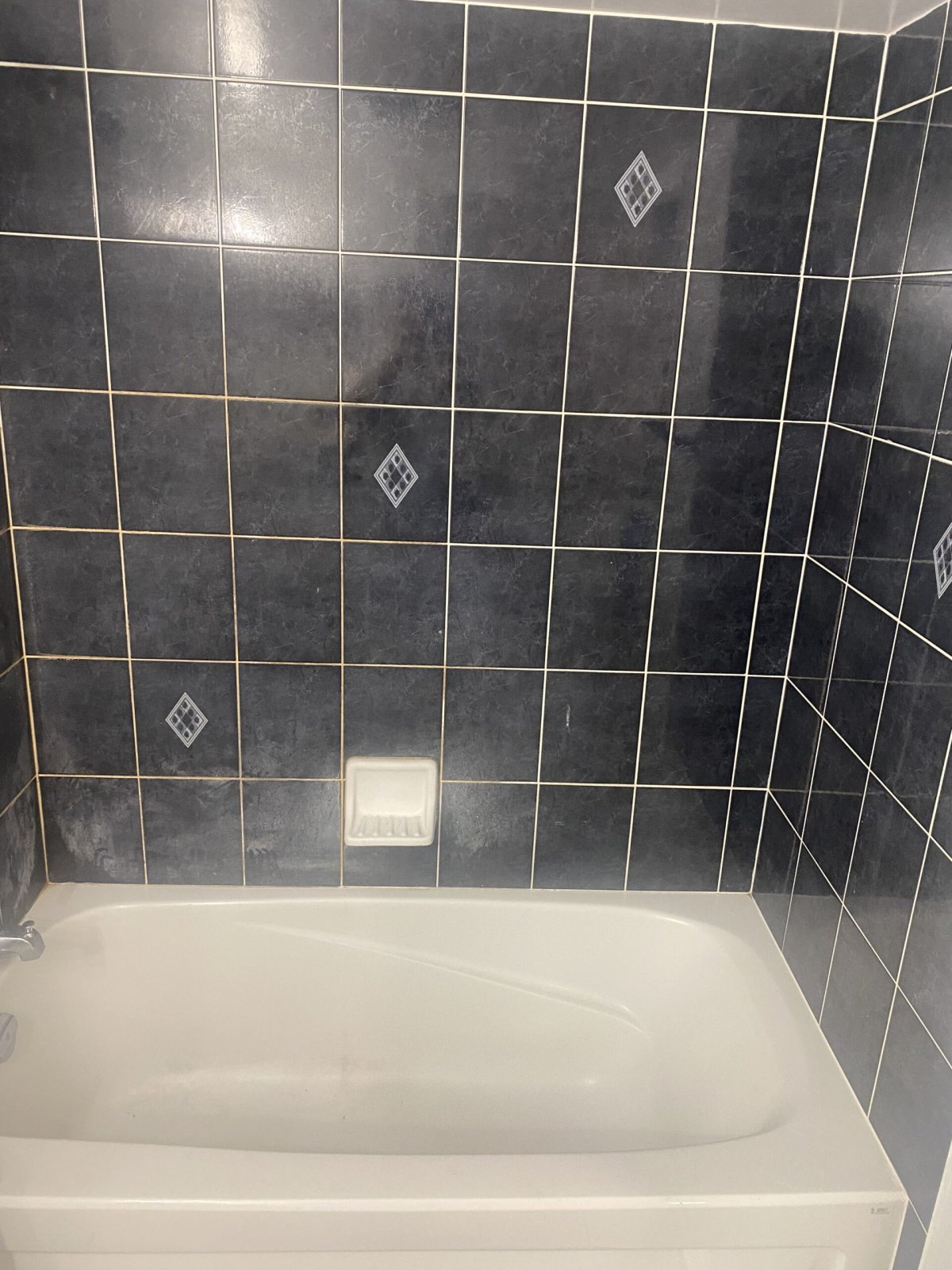
- Skip suction-cup accessories. Suction cups can pull or lift the coating when removed. Use a bath mat with a non-slip backing instead.
- Use soft tools only. A soft cloth or sponge is the safest choice for cleaning.
- Lift items, do not drag them. Move bottles, toys, and soap dishes instead of sliding them across the surface.
- Be careful with appliques and stick-on accessories. Remove them gently and check the surface underneath.
- Protect the edges. Use a rubber mat or towel where heavy items or tools might rest on the rim.
Watch out: A bath mat with suction cups seems harmless, but removing it can take a chunk of coating with it. Choose a mat without suction cups.
Troubleshooting Common Finish Problems and Winter Care in Toronto
Even with good care, some problems can show up. Here is how to spot and handle the most common ones.
- Dull or cloudy patches: Usually soap scum or mineral buildup. Clean with a mild non-abrasive cleaner and rinse well.
- Water spots: Dry the surface after each use. Hard water in the GTA can leave spots faster, so drying helps.
- Small scratches: Clean the area gently. If the scratch is deep or the coating looks lifted, call a professional.
- Mildew or dark spots: Clean with a mild cleaner and dry thoroughly. Persistent stains may need a professional look.
Winter care in Toronto: Cold weather can make the bathroom colder and drier, and temperature swings can stress the coating. Keep the bathroom ventilated, run the fan during and after showers, and avoid very hot water on a cold tub. Gradual temperature changes are easier on the finish.
Booking Professional Help for Your Reglazed Tub
Routine care handles most issues, but some problems need a professional. If you spot peeling after reglazing, our step-by-step guide to fixing peeling bathtub finish explains the DIY repair methods and when to call a professional. Call a refinisher if you see deep scratches, peeling or lifting coating, large dull areas that do not clean up, or cracks.
If your tub needs repair or a fresh coat, book a professional bathtub refinishing service in Toronto to see what is offered and get started. For a deeper look at the service, read our complete guide to professional bathtub reglazing services in Toronto, which covers durability and how reglazing compares to replacement.
Century BathTubs has served Toronto and the GTA since 1995. Our work is backed by a three-year hassle-free guarantee, and we are licensed and insured. For current pricing or a quote, contact us through our website.
When a refinisher is needed, these are the signs to watch for and what to do next.
| Situation | Action | Note |
|---|---|---|
| Deep scratches | Call a refinisher | Routine cleaning will not fix them |
| Peeling or lifting coating | Call a refinisher | Do not wait; the problem will spread |
| Large dull areas that will not clean | Call a refinisher | Soap scum cleaning did not help |
| Cracks | Call a refinisher | Needs professional assessment |
| Repair or fresh coat needed | Book professional bathtub refinishing in Toronto | Century BathTubs offers the service |
| Warranty | Three-year hassle-free guarantee | Licensed and insured |
Frequently Asked Questions
How do you clean a reglazed bathtub?
Rinse the tub after each use and wipe it down with a mild, non-abrasive liquid cleaner applied with a soft cloth or sponge. Rinse thoroughly with warm water and dry the surface to prevent water spots and soap scum buildup. Avoid stiff brushes, steel wool and rough scrubbing pads, which can dull or scratch the coating. A gentle weekly clean, plus a monthly deeper wipe-down for mildew or soap scum, keeps the finish looking good. Always test any new product on a small, hidden spot first.
What cleaners are safe for a reglazed bathtub?
Mild, pH-neutral liquid cleaners and non-abrasive all-purpose cleaners are generally the safest choice for a reglazed finish. Look for products labelled as gentle or suitable for acrylic and fiberglass surfaces. Avoid harsh acids, bleach, abrasive powders and products containing strong solvents, as these can break down the coating over time. Read the manufacturer’s instructions and rinse the tub well after every use of any cleaner.
How long should you wait to use a bathtub after reglazing?
Most reglazed finishes need a cure period before regular use, and the exact timeline depends on the coating system and the conditions in the bathroom. Your refinisher should give you a written curing timeline for your specific tub. Until that period ends, avoid running water, placing heavy items in the tub, or using harsh cleaners. Good ventilation and stable room temperatures help the coating harden properly. If you are unsure, ask the technician before the first bath or shower.
How do you prevent scratches on a reglazed bathtub?
Avoid abrasive cleaners, steel wool and stiff scrub brushes, since these leave fine scratches that trap dirt. Set down metal items, shampoo bottles and tools gently rather than dropping them. Use a bath mat or a soft tub liner for heavy use, and avoid suction cup accessories, which can pull on the coating when removed. Dry the surface after use to reduce water spots and mineral buildup that make wear more visible.
