

Last Updated: November 14, 2026
Quick Summary
A properly applied bathtub reglazing job often lasts many years with normal use and sensible care. Its lifespan depends on surface preparation, local water hardness, cleaning habits, and how the tub is used day to day.
- Surface preparation and application quality are decided before the coating goes on.
- Use only mild, non-abrasive, pH-neutral cleaners on a reglazed surface.
- Wipe the tub dry after use to prevent mineral buildup from hard water.
- Run the exhaust fan during and after showers to keep the surface drying fully.
- Dry time is not cure time, so avoid heavy use and harsh cleaners until curing is complete.
Table of Contents
- How Long a Reglazed Bathtub Typically Lasts
- 7 Factors That Affect Bathtub Reglazing Durability
- How to Care for a Reglazed Bathtub to Extend Its Life
- Why Reglazing Peels and How to Spot Early Failure
- How Long to Wait to Use a Bathtub After Reglazing
- Bathtub Refinishing vs Replacement: Which Makes Sense for Your Tub
- Booking Your Bathtub Refinishing Consultation in Toronto
- Frequently Asked Questions
How Long a Reglazed Bathtub Typically Lasts
A properly applied bathtub reglazing job often lasts many years with normal use and sensible care. Century BathTubs backs its work with a three-year guarantee, which gives homeowners a clear point of reference when planning a refinishing project.
Actual lifespan depends on how the surface was prepared, what kind of water runs through the tub, and how the tub is cleaned day to day. A tub with careful maintenance can keep its finish looking good for longer, while harsh cleaners and abrasive scrubbing tend to shorten a finish’s life.

7 Factors That Affect Bathtub Reglazing Durability
Several factors decide how long a reglazed finish holds up. Most of them are within the homeowner’s control once the job is done, but the first two are decided before the coating ever goes on.
- Surface preparation and application quality
- Water hardness in the local supply
- Cleaning products and tools used
- Daily use and how often the tub is filled
- Moisture, ventilation, and humidity in the bathroom
- Impact from dropped items and heavy objects
- Timing of the first use after the job
Surface Preparation and Application Quality
The finish is only as strong as the surface underneath it. Proper bonding depends on careful cleaning, etching, and repair of any chips before the coating goes on. Skipped steps here are a common reason coatings fail early. A common pattern in failed jobs is a coating applied over soap scum, body oils, or old caulk residue that was never fully removed; the new layer bonds to the contamination instead of the tub, and it lifts within a year or two.
Thin or uneven layers wear through faster, while proper curing gives the finish its hardness. Applying coating in thin, even coats at the correct thickness is generally better than a single thick coat, which can trap solvent and cure soft underneath.
Water Hardness and Toronto Water Conditions
Hard water leaves mineral deposits that build up on the surface and make cleaning harder. Over time, scrubbing to remove this buildup can dull the finish. Regular cleaning with gentle, non-abrasive products helps keep the surface in good shape.
The mechanism matters more than the label. Hard water leaves dissolved minerals that can form a film on the tub surface. Wiping the tub dry after each use removes these minerals before they can settle.
Cleaning Products and Tools Used
Abrasive powders, steel wool, and scouring pads scratch the finish mechanically. Harsh bleach solutions and acidic descalers attack it chemically. Either route shortens the life of the coating, and the damage is cumulative rather than instant.
Daily Use and Fill Frequency
A tub used once a day for showers sees far more water contact than a guest-room tub used twice a month. Frequent filling and draining also cycles the surface through wet and dry states, which stresses the bond at the drain and overflow edges first.
Moisture, Ventilation, and Humidity
A bathroom that stays damp keeps the coating in a constant wet state. Running the exhaust fan during and after showers pulls moisture out of the room and lets the surface dry fully between uses, which is when the coating is at its hardest.
Impact from Dropped Items and Heavy Objects
A dropped shampoo bottle, a metal bath toy, or a heavy fixture can chip the coating at the point of impact. Chips are small but they expose the layer underneath, and water creeping under the edge of a chip is how peeling often starts.
Timing of the First Use After the Job
Using the tub before the coating has fully cured leaves marks and soft spots that never harden properly. The cure window is covered in detail further down, but the short version is that the finish reaches full hardness over days, not hours.
How to Care for a Reglazed Bathtub to Extend Its Life
Good care starts with the cleaning products you choose. Stick with mild, non-abrasive cleaners made for acrylic or enamel surfaces. Avoid scouring powders, steel wool, and harsh bleach solutions.
- Rinse the tub after each use to prevent mineral buildup
- Wipe the surface with a soft cloth and a mild cleaner each week
- Run the exhaust fan during and after showers
- Use a bath mat or non-slip surface to prevent dropped-object chips
- Avoid standing or jumping in the tub
Safe vs. Damaging Cleaners Available in Canadian Stores
Many stores stock a wide range of bathroom cleaners, and the label does not always make the difference obvious. The safe category is anything labeled non-abrasive, pH-neutral, or safe for acrylic and fiberglass. That includes most liquid dish soaps, mild all-purpose bathroom sprays, and dedicated acrylic cleaners. The damaging category includes scouring powders, cream cleansers with grit, steel wool and abrasive sponges, and acidic descalers sold for tile and grout. Bleach-based sprays are a middle case: diluted and used occasionally they are usually tolerable, but strong or frequent bleach contact breaks down the coating over time.
Watch out: a cleaner marketed as a “tub and tile” spray may be acidic enough to dull a fresh coating, so check the label for acid content before using it on a reglazed surface.
Cure Time vs. Dry Time: When the Tub Is Actually Ready
Dry time and cure time are not the same thing, and confusing them is one of the most common reasons a new finish gets marked early. The surface is dry to the touch within hours, but the coating is still chemically curing for days after that. Light, careful use is generally safe after the applicator’s stated window, while full hardness and resistance to scratching develop over the following days or weeks. During that window, avoid harsh cleaners, abrasive pads, and heavy objects in the tub.
Century BathTubs provides guidance on curing times for each job so homeowners know exactly when the tub is ready.
A Realistic Maintenance Routine
A simple weekly routine keeps the finish in good shape without much effort. Rinse after each use, wipe the tub dry with a soft cloth two or three times a week, and clean with a mild pH-neutral product once a week. Run the exhaust fan during and after every shower. Check the caulk line at the tub edge every few months, because a failed caulk bead lets water sit against the coating edge and is a common starting point for peeling.
Why Reglazing Peels and How to Spot Early Failure
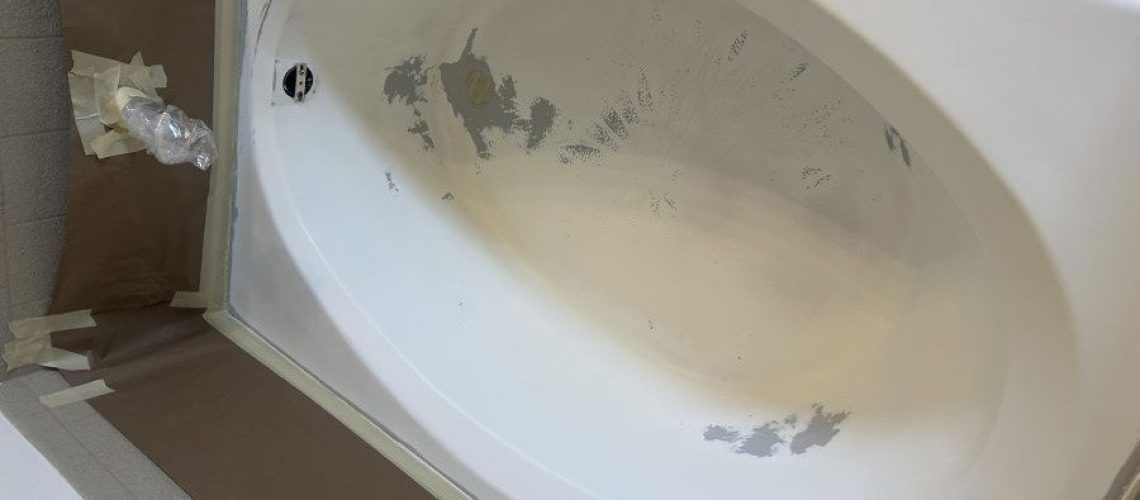
Peeling usually starts at edges, drain areas, or spots where the tub sees the most water. Early signs include small lifted edges, fine cracks, or dull patches that don’t clean up. Catching these early makes repairs simpler.
Common causes include poor surface prep, moisture trapped under the coating, and harsh cleaners that break down the bond. The root-cause guide walks through each cause and its fix.
How Long to Wait to Use a Bathtub After Reglazing
Most reglazed tubs need time to cure before they are used. Rushing this step can leave the finish soft and prone to marks. Follow the timing the applicator gives you, and avoid water, soap, and weight in the tub until the curing period is over.
Century BathTubs provides guidance on curing times for each job so homeowners know exactly when the tub is ready.
Bathtub Refinishing vs Replacement: Which Makes Sense for Your Tub
Refinishing and replacement each suit different situations. Refinishing keeps the existing fixture in place and avoids demolition. Replacement makes more sense when the tub has structural damage, deep cracks, or an outdated layout.
Pros of reglazing:
- Keeps the existing fixture in place
- Faster job with less mess
- Keeps the existing tub and layout
Cons of reglazing:
- Does not fix structural damage
- Finish needs regular care to last
Pros of replacement:
- Brand-new surface and fixture
- Can change the layout or style
Cons of replacement:
- Longer project time
- More demolition and disruption
Booking Your Bathtub Refinishing Consultation in Toronto
If you are weighing your options in Toronto, the next step is a consultation. Century BathTubs has been in business since 1995 and is licensed and insured. Our team uses the EP-ACRYLIC coating system and backs every job with a three-year hassle-free guarantee. Request a FREE INQUIRY to talk through your tub’s condition and find out whether reglazing fits your needs. Our tub reglazing cost guide explains what affects pricing and how results compare over time.
Frequently Asked Questions
How many years does bathtub reglazing last?
A properly applied bathtub reglazing finish typically lasts several years with routine care. Century BathTubs backs its work with a three-year guarantee, which reflects the expected performance of its EP-ACRYLIC coating system under normal use. Actual lifespan depends on surface preparation, how the tub is used and cleaned, and whether abrasive or harsh chemical cleaners are avoided. For current details on coverage, contact Century BathTubs directly for a quote and guarantee terms.
What affects how long a reglazed bathtub lasts?
Several factors drive durability: the quality of surface preparation before coating, the condition of the original tub, daily use, cleaning products, and the water conditions in your home. Hard water with high mineral content can leave deposits that dull the finish over time. Gentle, non-abrasive cleaning and prompt attention to chips help the finish last longer.
Can a reglazed bathtub be reglazed again?
In many cases a reglazed tub can be refinished again, but the feasibility depends on the condition of the existing coating and the substrate beneath it. Heavy peeling, deep damage, or repeated layers can make re-coating less reliable. A professional inspection is the best way to determine whether the tub is a good candidate for another refinishing.
What causes bathtub reglazing to peel or chip?
Peeling usually traces back to inadequate surface preparation, moisture or contamination trapped under the coating, or heavy use of abrasive cleaners. Impacts from dropped objects and thermal stress can also cause chips. Recognizing peeling early and addressing it promptly prevents the problem from spreading, and proper care after refinishing reduces the likelihood of failure.
