

Last Updated: November 16, 2026
Quick Summary
The most durable bathtub coating is usually a hybrid system with an epoxy base and a polyurethane top coat, which balances adhesion, moisture resistance, abrasion resistance and colour retention. Its expected professional lifespan is 10 to 15 years. Surface preparation matters as much as the product itself.
- Judge durability by adhesion, moisture resistance and abrasion resistance before considering price.
- Hybrid systems with an epoxy base and polyurethane top coat are usually the most durable choice for home bathrooms.
- Acrylic tubs need thorough cleaning and proper preparation, and the coating should be rated for acrylic specifically.
- Abrasive cleaners, harsh chemicals and standing water shorten a coating’s lifespan.
- Century BathTubs offers a three-year hassle-free guarantee on its refinishing work.
Table of Contents
- Why Durability Matters More Than Price When Choosing a Bathtub Coating
- Bathtub Coating for Acrylic Tubs: Which Coatings Bond Best
- Durability Factors That Decide How Long a Bathtub Coating Lasts
- Comparing Top-Rated Bathtub Coating Types for 2026
- How Long Does Bathtub Refinishing Last, and What Affects It
- Bathtub Refinishing Safety for Families: Curing, Ventilation and Materials
- Bathtub Coating Maintenance and Getting a Quote from Century BathTubs
- Frequently Asked Questions
Why Durability Matters More Than Price When Choosing a Bathtub Coating
Choosing a bathtub coating based only on price is one of the most common mistakes homeowners make. A coating that peels, chips or yellows within a year costs more in the end, because you pay for the work twice. For a Canadian homeowner, the question to ask is how the coating will hold up under daily hot water, soap, and cleaning products, not just how it looks on the day it is applied.
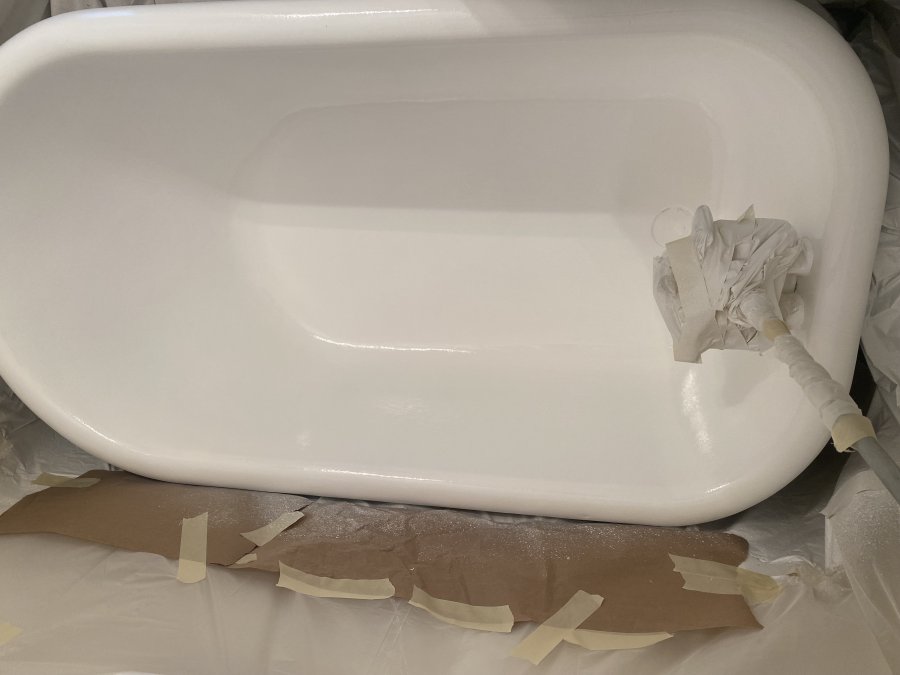
Durability depends on how well the coating bonds to the surface underneath, how it resists wear, and how it handles constant moisture. Century BathTubs has been refinishing bathtubs and shower tiles since 1995. A cheaper product that lasts two years is rarely the better buy.
When you compare options, look at the coating’s bonding ability, its moisture resistance, and its abrasion resistance first. Price matters, but it should come after those three.
Bathtub Coating for Acrylic Tubs: Which Coatings Bond Best
Acrylic tubs are a special case. Acrylic is a smooth, flexible plastic, and coatings do not always grip it as well as they grip porcelain or cast iron. Surface preparation is the single biggest factor in whether an acrylic tub coating lasts.
Century BathTubs uses its EP-ACRYLIC coating system, but the same principles apply to any product you consider. The tub must be cleaned thoroughly, lightly abraded or etched as the product directs, and kept free of soap residue before the coating goes on.
Ask any provider whether their product is rated for acrylic surfaces specifically. A coating formulated for porcelain may not bond properly to acrylic, even if the label claims broad compatibility.
Durability Factors That Decide How Long a Bathtub Coating Lasts
Three factors do most of the work in determining how long a coating lasts: how well it adheres, how it handles moisture and abrasion, and how well its colour holds over time. Each one matters in a bathroom, where the surface faces hot water, scrubbing, and daily use. But in Toronto and the GTA, two local variables amplify these factors: the city’s moderately hard water and the wide seasonal humidity swings that affect curing and long-term adhesion.
Adhesion to Porcelain, Ceramic and Enamel
Adhesion is the bond between the coating and the tub surface. Porcelain and enamel bond well when they are properly cleaned and lightly roughened. Ceramic tile and grout need the same preparation, and any chips or cracks should be repaired before coating. A coating applied over soap scum and mineral buildup can fail at the bond rather than at the surface.
Poor adhesion usually shows up as peeling at the edges, around the drain, or along the rim, where water collects most. If you see that pattern after a few months, the bond failed, not the coating’s top layer.
Abrasion, Moisture and Colour Retention
A durable coating resists scratches from cleaning pads and resists the constant moisture of a shower. Look for a protective top coat, often an aliphatic polyurethane, which resists yellowing and helps the finish keep its colour under bathroom lighting and sunlight.
Colour retention matters because yellowing is one of the most visible signs of an aging coating. A product that stays white or near-white for years is usually built with a stable top coat. Ask for documentation on yellowing resistance before you buy.
Comparing Top-Rated Bathtub Coating Types for 2026
The table below compares common coating types by the factors that matter most for durability. These are general characteristics of each category, not ratings of specific brands, so check each product’s documentation for exact performance.
| Coating type | Adhesion to porcelain | Moisture resistance | Abrasion resistance | Colour retention | Typical application | Expected lifespan (professional) |
|---|---|---|---|---|---|---|
| Epoxy-based | Strong when prepared | Very good | Good | Fair, can yellow | DIY or professional | 5-8 years |
| Acrylic-based | Good with proper prep | Good | Moderate | Good | Often professional | 3-5 years |
| Polyurethane top coat | Depends on base layer | Very good | Very good | Very good | Usually professional | 10-15 years (with proper base) |
| Hybrid (epoxy base, polyurethane top) | Strong | Very good | Very good | Very good | Usually professional | 10-15 years |
Pros and cons by type:
- Epoxy-based: Strong bond and good moisture resistance. Can yellow over time and needs careful mixing and ventilation. DIY kits are widely available in Toronto, but professional application yields better adhesion on older porcelain.
- Acrylic-based: Easier to work with and good colour retention. Less abrasion resistance than polyurethane or hybrid systems. Often used for acrylic tubs where flexibility is needed.
- Polyurethane top coat: Excellent abrasion and colour resistance. Only as good as the base layer beneath it. Rarely sold as a standalone DIY product in Canada; usually applied by professionals.
- Hybrid systems: Combine a strong base with a durable top coat, which is why many professionals favour them. They usually cost more and take more skill to apply. In the GTA, hybrid systems are the standard for rental properties and high-use family bathrooms because they balance lifespan and cost.
For a home bathroom in Toronto, a hybrid or polyurethane-topped system is usually the most durable choice. A simpler acrylic-based coating can work well in a low-use guest bathroom. When comparing quotes, ask whether the price includes surface preparation, because a low quote that skips etching or repair will cost more in the long run.
DIY vs professional: cost and lifespan trade-off
A professional can assess the tub’s material, repair chips, and control curing conditions, which a DIY kit cannot guarantee.
Check that any product’s instructions match your bathroom’s ventilation and humidity, or the finish may not harden properly.
Expected professional lifespan by bathtub coating type
How Long Does Bathtub Refinishing Last, and What Affects It
A well-applied professional refinish can last many years, and the actual lifespan depends on how the tub is used and cleaned. Coatings in heavily used family bathrooms tend to wear sooner than those in guest baths.
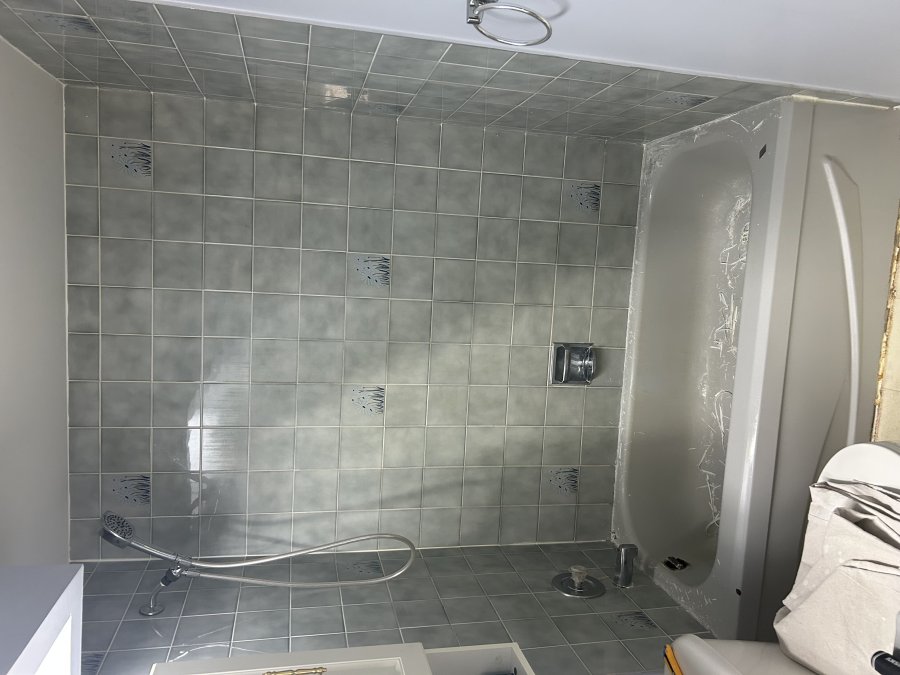
The main things that shorten lifespan are abrasive cleaners, harsh chemicals, and standing water. Surface preparation during application matters just as much. A coating that was not prepared properly often fails early regardless of the product’s quality. Century BathTubs backs its work with a three-year hassle-free guarantee.
Bathtub Refinishing Safety for Families: Curing, Ventilation and Materials
Families often ask whether refinishing is safe to live with. A properly applied coating is safe once it has fully cured, but the first days require care. Keep the bathroom ventilated during application and curing, and keep children and pets out of the room until the product has set.
Check the product’s safety data sheet for ventilation and curing requirements. Never use a coating that is not rated for the tub’s material, and do not skip the cure time to get back to using the bath sooner.
Bathtub Coating Maintenance and Getting a Quote from Century BathTubs
Routine care helps a coating last. Clean with a soft cloth and a non-abrasive, pH-neutral cleaner. Avoid scouring pads, bleach-heavy products, and harsh drain cleaners. Wipe the surface dry after use when you can, and check the edges and drain area for early signs of lifting.
If you are weighing a refinish against replacement, the best next step is a quote. Century BathTubs serves Toronto and the GTA, and our licensed and insured technicians can assess your tub, recommend a coating suited to its material, and explain the work involved. Contact us for a free inquiry and we will walk you through the options for your bathroom.
Frequently Asked Questions
What type of coating is most durable for a bathtub?
Durability depends more on surface preparation, adhesion and the top coat than on the brand name. Two-part polyurethane and polyester polyurethane systems with an aliphatic top coat generally resist abrasion, moisture and yellowing better than single-part paints. Ask any provider which coating system they use, how the surface is prepared and what warranty covers peeling or chipping. Century BathTubs uses its EP-ACRYLIC coating system and backs its work with a three-year guarantee. For current pricing and a site assessment, request a quote from Century BathTubs directly.
How long does a professionally refinished bathtub coating last?
A properly prepared and professionally applied coating is designed to last for years in a home bathroom, and Century BathTubs backs its work with a three-year hassle-free guarantee. Actual lifespan depends on how well the surface was cleaned and etched before coating, how the tub is used and cleaned afterward, and whether harsh abrasive cleaners are used. Avoid abrasive scrubbing pads and bleach-heavy products, and wipe the surface dry after use to reduce moisture stress on the coating.
Are DIY bathtub refinishing kits as durable as professional coatings?
DIY kits can produce a satisfactory finish on a small tub, but durability usually depends on surface preparation, ventilation and application conditions that are hard to control at home. Professional refinishing typically includes thorough cleaning, etching, chip repair and controlled application, which affect how well the coating bonds to porcelain, ceramic or enamel. Compare the kit’s stated adhesion and top coat against the warranty and workmanship offered by a professional before deciding.
How do you maintain a refinished bathtub so the coating lasts?
Clean with a non-abrasive, pH-neutral cleaner and a soft cloth or sponge. Avoid steel wool, scouring powders and bleach-heavy products, which can dull or chip the finish. Rinse and dry the tub after use to limit standing water, pay attention to the caulk around the edges, and address small chips early before moisture gets underneath. Following these steps helps a bathtub coating keep its finish and resist peeling for longer.
