

Table of Contents
- Why Bathroom Renovation Risks Matter for Flippers
- Why Bathroom Waterproofing Is Necessary
- Ontario Building Code Bathroom Requirements and Compliance Gaps
- Bathtub Refinishing vs Replacement for Flippers
- Common Bathroom Renovation Mistakes That Destroy Flip Margins
- Financial Risks and Hidden Costs in Bathroom Projects
- Risk Mitigation Strategies for Bathroom Flips
- Frequently Asked Questions
Last Updated: October 1, 2026
Why Bathroom Renovation Risks Matter for Flippers
Property flipping demands precision. A single miscalculation in the bathroom can erase months of profit. Understanding bathroom renovation risks flippers face is essential, these are not abstract concerns, they are the difference between a successful project and a financial disaster.
When you’re renovating a bathroom to flip a property, you’re managing competing pressures: speed, cost control, and code compliance. The bathroom is often the highest-value room in a renovation, yet it’s where hidden problems surface most aggressively. Water damage, structural issues, and code violations can multiply costs faster than any other room in the house.
The stakes are real. According to Canada Mortgage and Housing Corporation guidelines on renovation planning, bathroom work represents one of the highest-risk categories in residential flips because it involves plumbing, waterproofing, ventilation, and electrical systems all working together. When one fails, the others often follow. Understanding these risks upfront allows you to budget accurately, avoid costly surprises, and protect your investment.
Bathroom renovation risks for flippers stem from waterproofing failures, code violations, hidden structural damage, and material choices that fail under use. Addressing these proactively saves thousands and protects resale value.
Why Bathroom Waterproofing Is Necessary
Waterproofing is not optional in bathroom renovations, it is the foundation of a durable flip. Water intrusion is the single most expensive problem you can inherit in a bathroom project.
Water finds every gap, every crack, every unsealed corner. Once it penetrates behind walls or under subfloors, it spreads silently for months before visible damage appears. By then, you’re dealing with mold, structural rot, and code violations that can kill a sale or trigger post-closing disputes. In Toronto’s humid climate, moisture problems accelerate quickly.
Proper waterproofing requires multiple layers. The substrate must be sealed, the shower or tub area must have a complete moisture barrier, and ventilation must remove humidity. Many flippers treat waterproofing as an afterthought, a quick sealant job before tiling. This approach fails. The bathroom renovation risks you avoid by doing waterproofing correctly far outweigh the cost of doing it right the first time.
When water damage is discovered during inspection, buyers demand credits or walk away entirely. Structural damage from water intrusion can cost thousands to remediate. Proper waterproofing prevents these outcomes and ensures the bathroom remains functional and saleable for years.
Waterproofing must happen before visible finishes go in. Once tile, paint, or fixtures are installed, correcting waterproofing failures requires demolition and costly rework. Get it right the first time.
Ontario Building Code Bathroom Requirements and Compliance Gaps
The Ontario Building Code sets specific standards for bathrooms, and flippers who ignore these standards face serious consequences. A code violation discovered during final inspection can halt a sale or trigger expensive remediation.
The Ontario Building Code requires proper ventilation, moisture barriers, and structural support for all bathroom fixtures. Ventilation must move moisture out of the space, a simple exhaust fan is mandatory, not optional. Moisture barriers must protect framing from water intrusion. Fixtures must be properly supported and sealed. Many older homes have bathrooms that don’t meet current code, and flippers must bring them into compliance.
Common compliance gaps include undersized exhaust fans that don’t move enough air, missing or inadequate moisture barriers behind tile, improper slope on shower floors allowing water pooling, and fixtures installed without proper support or sealing. Each of these violations can be discovered during inspection and trigger required corrections before closing.
The cost of addressing code violations during remediation is always higher than addressing them during the initial renovation. Inspectors in Toronto and the GTA are thorough, and buyers’ home inspectors are even more so. Building code compliance is not negotiable for a successful flip.
Skipping code compliance to save time or money creates liability that extends beyond the flip itself. If a buyer discovers code violations post-closing, you may face legal claims or be forced to remediate at your expense.
Bathtub Refinishing vs Replacement for Flippers
The choice between refinishing and replacing a bathtub is one of the most consequential decisions in bathroom renovation for flippers. Both options have distinct cost, timeline, and durability implications.
Bathtub replacement means removing the old tub, potentially modifying plumbing, installing new fixtures, and retiling the surround. This approach is time-intensive and expensive. It also creates risk, removing an old tub can reveal structural damage, plumbing problems, or mold that wasn’t visible before. These discoveries often lead to scope creep and budget overruns.
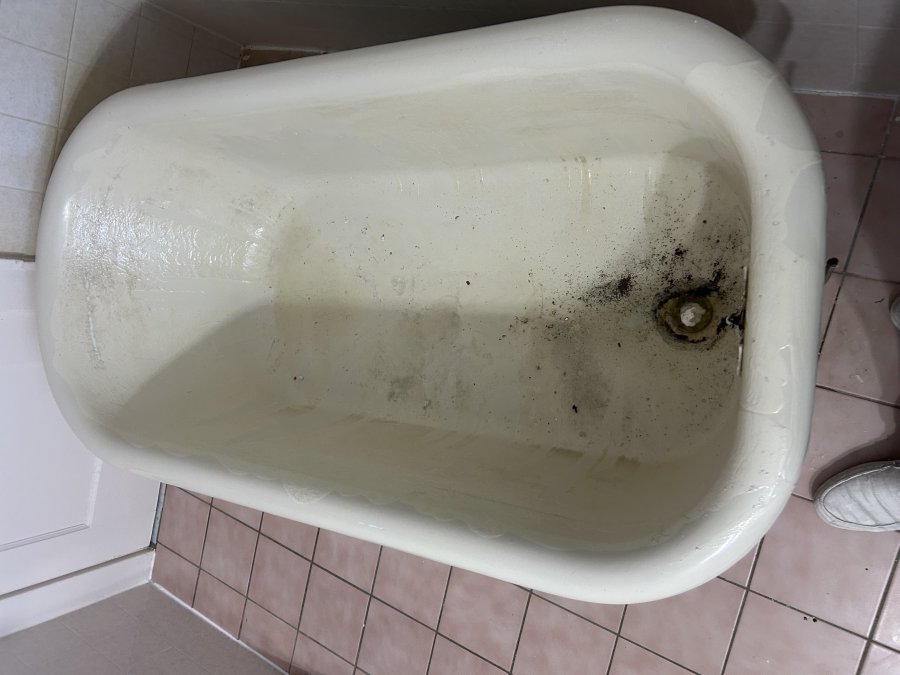
Bathtub refinishing restores the existing tub by applying a durable coating system that renews the surface. The process is faster, less invasive, and doesn’t expose hidden problems. For many flippers, refinishing makes economic sense, especially when the existing tub is structurally sound and the underlying plumbing is functional. The refinished surface is durable.
The key consideration is the tub’s condition. If the tub is cracked, severely damaged, or has plumbing issues, replacement is necessary. If the tub is structurally intact but worn or stained, refinishing is often the better choice for a flip. Century BathTubs uses an EP-ACRYLIC coating system that provides a durable finish backed by a three-year guarantee, a reliable solution for flippers managing timelines and budgets in the Toronto area.
Refinishing also eliminates the risk of discovering problems during demolition. You know what you’re getting, the timeline is predictable, and the cost is controlled. For flippers, predictability is valuable.
Common Bathroom Renovation Mistakes That Destroy Flip Margins
Bathroom renovation mistakes compound quickly. A small oversight becomes an expensive correction, which cascades into timeline delays and budget overruns.
Among the bathroom renovation risks flippers encounter, the most common mistake is underestimating the complexity of plumbing and ventilation work. Many flippers assume basic plumbing is straightforward, only to discover that rerouting pipes costs significantly more than anticipated or that existing plumbing is corroded and needs replacement. Ventilation work is similarly underestimated, proper exhaust ducting to the exterior is required by code, and running ductwork through existing structure is more complex and expensive than expected.
Another frequent error is inadequate waterproofing, which we’ve already discussed. Flippers often apply waterproofing after other work is partially complete, creating gaps and incomplete coverage. Waterproofing must be planned and executed early in the renovation sequence.
Fixture selection mistakes also destroy margins. Choosing cheap fixtures that fail quickly or don’t match the rest of the home creates resale friction. Buyers notice and devalue the property accordingly. Selecting the right quality level for fixtures requires balancing cost against expected buyer expectations.
Poor communication with contractors leads to scope creep and misaligned expectations. Contractors discover problems during work and make decisions without approval, leading to unexpected costs. Clear specifications and regular site inspections prevent these issues.
Finally, many flippers fail to budget for contingency. Bathrooms always reveal surprises, hidden damage, code violations, or structural issues that weren’t visible in the initial assessment. A contingency budget of 15-20% for bathroom work is standard for experienced flippers, yet many skip this step and then run out of money when problems surface.
Financial Risks and Hidden Costs in Bathroom Projects
Hidden costs are the primary reason bathroom renovation budgets fail. Water damage, structural issues, and code violations discovered during work can multiply the initial budget by 30-50% or more.
Structural damage is the most expensive discovery. If water intrusion has rotted framing, subfloors, or joists, remediation requires demolition, replacement, and restoration. A small area of rot can expand dramatically once exposed. Many flippers budget for a bathroom refresh only to discover structural damage that demands thousands in additional work.
Plumbing surprises are common in older homes. Corroded pipes, inadequate water pressure, or drainage problems may not be apparent until work begins. Replacing plumbing infrastructure is expensive and time-consuming. Older homes in Toronto often have cast iron drain lines that are corroded or partially blocked, requiring replacement.
Mold and contamination issues add cost and timeline. If mold is discovered, remediation must follow specific protocols and may require professional abatement. This work cannot be rushed and adds weeks to a project.
Permit and inspection delays extend timelines and add indirect costs. If work doesn’t pass inspection, corrections must be made and inspections repeated. Multiple inspection cycles extend the project and increase carrying costs.
Material delays also impact margins. Supply chain disruptions can delay tile, fixtures, or other materials, extending the timeline and increasing labor costs. Flippers who don’t account for material delays often face compressed timelines and rushed work quality.
The cumulative effect of these hidden costs is substantial. A bathroom renovation budgeted at $15,000 can easily reach $22,000 or more when unexpected issues surface. Experienced flippers budget conservatively and expect surprises.
Risk Mitigation Strategies for Bathroom Flips
Successful flippers minimize bathroom renovation risks through planning, professional assessment, and careful execution. These strategies protect margins and timelines.
Pre-renovation assessment is the first step. Hire a qualified inspector to evaluate the existing bathroom before committing to a renovation plan. Identify plumbing issues, structural damage, waterproofing problems, and code violations before work begins.
Frequently Asked Questions
What are the most common bathroom renovation mistakes for flippers?
The costliest mistakes include underestimating plumbing work in older homes, skipping proper waterproofing before tile installation, failing to account for structural rot behind walls, and not budgeting for permit delays. Many flippers also overlook code compliance issues that inspectors flag at final walkthrough, forcing expensive rework. Rushing the bathroom phase to save time typically costs more in corrections than the time saved.
Why is professional waterproofing critical for bathroom resale value?
Water intrusion is the leading cause of bathroom failure after sale, triggering mold, structural damage, and buyer disputes. Proper waterproofing behind tile, around fixtures, and in shower enclosures prevents costly claims. Buyers and inspectors scrutinize bathroom waterproofing closely because repair costs can exceed $5,000 once damage is visible. Professional waterproofing protects your flip’s resale value and reduces post-sale liability.
How can bathtub refinishing save money on a bathroom flip?
Refinishing an existing bathtub costs a fraction of full replacement, eliminating plumbing relocation, structural reinforcement, and disposal fees. For flippers working on tight budgets, refinishing extends the fixture’s life while delivering a fresh appearance that appeals to buyers. The three-year durability guarantee ensures the tub won’t fail during the critical resale window, protecting your investment and buyer confidence.
How does the Ontario Building Code affect bathroom renovation budgets?
The Ontario Building Code requires specific ventilation, waterproofing, and structural standards that many older bathrooms don’t meet. Bringing a bathroom into compliance may require upgraded exhaust fans, additional insulation, or reinforced framing. Permit inspections catch these gaps, and non-compliance can delay closing or trigger buyer renegotiation. Budget for code upgrades early to avoid surprises that compress your timeline and margins.