
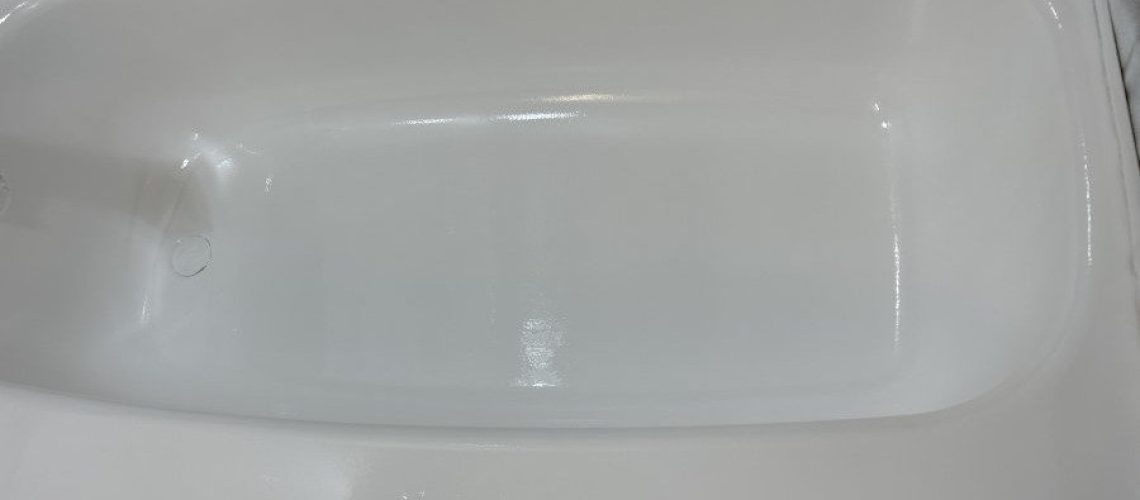

Last Updated: November 11, 2026
Quick Summary
The best cheap bathroom renovation starts with the surfaces you see every day: paint, hardware, grout and caulk, and refinishing the tub instead of replacing it. These cosmetic changes avoid demolition and can transform the room while keeping the existing plumbing in place. Repair any leaks or moisture damage first, then decorate.
- Repaint walls and vanity with a moisture-resistant bathroom paint.
- Swap hardware, faucet, towel bars and toilet seat to match one finish.
- Refresh grout and caulk, removing old caulk fully before reapplying.
- Refinish a worn tub instead of replacing it to avoid demolition.
- Repair leaks and moisture damage before any cosmetic upgrades.
Table of Contents
- Start With the Surfaces That Make the Biggest Visual Difference
- Budget Bathroom Renovation Ideas That Change the Room Without Demolition
- Bathroom Updates Without Replacing Tiles
- DIY Bathroom Renovation Ideas and Which Jobs to Hand to a Pro
- Cosmetic Upgrades Versus Repairs: What to Fix First
- Bathroom Renovation Planning Checklist for Toronto Homeowners
- Booking a Free Inquiry for Your Bathtub and Shower Refinishing
- Frequently Asked Questions
Start With the Surfaces That Make the Biggest Visual Difference
If your bathroom looks tired but the layout works, the best cheap bathroom renovation is usually the surfaces you look at every day: walls, cabinets, the tub, and the grout lines.
Start with paint and hardware before anything else.
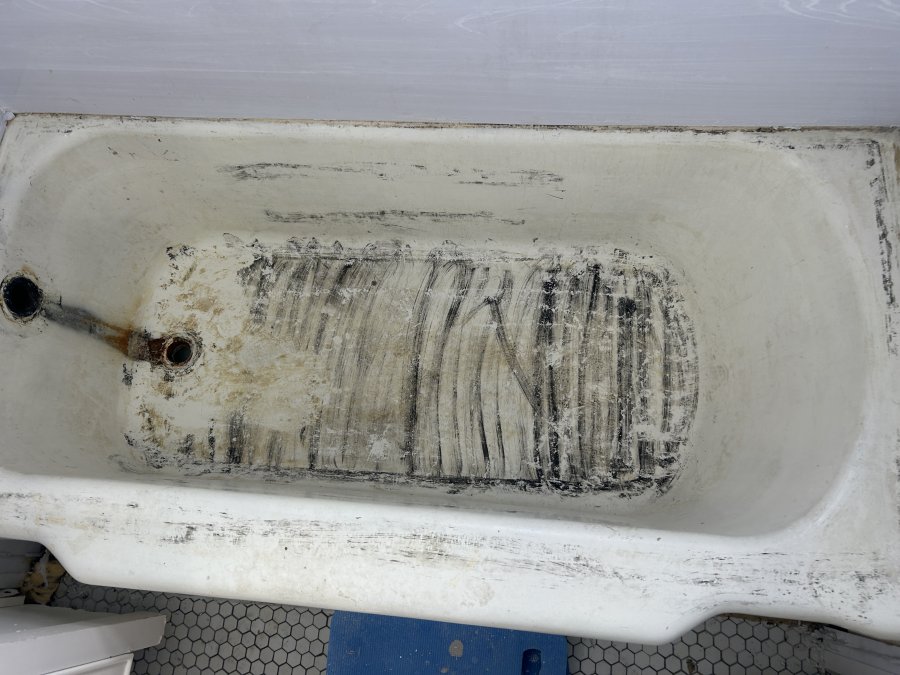
The tub is the other big surface. A worn or faded tub can make an otherwise clean bathroom look dated, and it is often the most expensive piece to swap out.
Budget Bathroom Renovation Ideas That Change the Room Without Demolition
Most of the look of a new bathroom comes from a handful of changes that do not touch the plumbing or the walls behind the tile. See alternatives to full bathroom remodeling for more budget-friendly options.
A practical starting list of common cosmetic updates:
- Repaint walls and the vanity in a moisture-resistant finish. A gallon of bathroom-rated paint is one of the cheapest visual resets available, and the job is DIY-friendly if the surface is sound.
- Swap the vanity hardware, faucet, towel bars and toilet seat. These are small-ticket items, but mismatched finishes are one of the fastest ways a bathroom reads as dated.
- Replace the mirror and add better lighting above it. A flat mirror and a single builder-grade light are common in older Toronto homes; a framed mirror and a two- or three-bulb vanity bar change the room more than the price suggests.
- Add a shower curtain or door hardware that matches the new finish. If the tub and tile are sound, this is a same-day change.
- Refinish the tub instead of replacing it. Refinishing keeps the existing tub in place and avoids demolition and plumbing work when the surface is worn. Compare bathtub painting options and DIY versus professional work on our site.
Each of these can be done with the existing plumbing in place.
A realistic way to think about the budget is to separate it into three buckets: materials, labour, and contingency. Materials are the easiest to estimate because you can price them before you start. Labour is where budgets often slip, especially if a “simple” swap reveals a problem such as a shut-off valve that will not close or a vanity that does not fit the existing drain location. A contingency allowance helps absorb surprises that can appear once the old surface comes off.
Watch out: a faucet or shut-off valve that fails behind a wall can be costly to repair.
Century BathTubs provides refinishing quotes for tubs and tile surfaces, and the free inquiry is a way to compare that option against a replacement.
Bathroom Updates Without Replacing Tiles
Good tile is expensive to replace and often still works fine. The job is usually the surface, not the tile itself. Two targeted fixes handle most of what looks worn: the grout and the caulk, and the glaze on the tile face.
Painting and Refreshing Grout and Caulk
Dirty or cracked grout and mouldy caulk make old tile look far worse than it is. Clean the lines thoroughly, let them dry completely, then recolour or re-caulk. A grout pen or a grout colourant can refresh the look in a few hours. Replace caulk at the tub edge and the corners, since those joints are where water gets in and where damage starts.
Use a flexible silicone or mould-resistant caulk made for wet areas, and run a clean, steady bead. Pulling the old caulk out completely before applying new is the step most people skip, and it is why new caulk often fails early.
Refinishing Shower Tile and Tub Surfaces Instead of Replacing Them
Refinishing is one of the strongest budget moves for a bathroom that has worn tile and a tired tub.
Century BathTubs provides professional bathtub refinishing in Toronto, restoring worn and faded tubs and tile. Refinishing uses the EP-ACRYLIC coating system, and the work carries a three-year guarantee. Because the existing plumbing stays in place, the disruption can be limited.
Be realistic about the limits. Refinishing does not fix a cracked or structurally damaged tub, a leak behind the wall, or failing waterproofing. In those cases, cosmetic work will not last, and the repair has to come first.
DIY Bathroom Renovation Ideas and Which Jobs to Hand to a Pro
Many cosmetic jobs are well within reach of a careful homeowner: painting, caulking, swapping hardware, changing a faucet on existing supply lines, and adding peel-and-stick or decorative accents where the surface is sound. These save money when the work is simple and the materials are suited to a wet room.
Hand the job to a professional when it involves water supply or drain changes, gas, electrical work near the tub or shower, structural repairs, or any tub resurfacing that needs proper surface preparation and a controlled spray environment. If you need a bathtub reglazing service near you, start with a local guide.
A simple test: if a mistake would put water somewhere it should not go, or would be hard to see until it causes damage, get a quote from a professional first.
Cosmetic Upgrades Versus Repairs: What to Fix First
Before you buy paint or tile, check the bathroom for problems that cosmetic work cannot solve. Look for soft or discoloured flooring, stains on the ceiling below, peeling paint near the shower, loose tile, and grout that stays damp. These point to moisture or waterproofing problems behind the surface.
The rule is straightforward. Repair first, decorate second. Fix any leak, damaged caulk, failed grout or moisture source, then apply the cosmetic upgrades. Painting over a leak only hides the damage and makes the eventual repair more expensive. Ventilation matters here too: a working exhaust fan reduces mould and keeps paint and coatings from failing early.
Bathroom Renovation Planning Checklist for Toronto Homeowners
Plan the project before you start buying materials. A short list keeps the budget honest and avoids surprises mid-job.
- Inspect for leaks, soft flooring and moisture damage
- Decide which surfaces need repair and which only need a cosmetic refresh
- Set a realistic budget with room for materials, labour and a contingency
- Confirm whether your building or condo requires approval for any work
- Check whether a building permit is required for your scope
- Gather at least two or three written quotes for the professional jobs
- Choose moisture-resistant paint, caulk and hardware for the wet areas
- Schedule the work in order: repairs, then surface prep, then finishes
- Plan for how long the bathroom will be out of use and arrange an alternative
For Toronto homeowners, the building rules matter. Condo boards and some landlords may have requirements for certain work, so check before you book a contractor.
Permits are a separate question from condo approval. Permit requirements depend on the scope of work and local rules.
Budget mechanics matter as much as the checklist. Separate your budget into materials, labour, and contingency, and price materials before you commit to a contractor.
Ask each contractor to list in writing what each quote includes and excludes, such as disposal, patching or permits.
Booking a Free Inquiry for Your Bathtub and Shower Refinishing
If the tub and tile are worn but structurally sound, refinishing is often the most cost-effective way to get a bathroom that looks new again. You can hire local bathtub refinishing technicians in Toronto and learn how to choose one. Century BathTubs has served the Toronto and GTA area since 1995, with licensed and insured technicians and a three-year hassle-free guarantee on all work.
Ready to see what refinishing would cost for your tub and tile? Get started with a FREE INQUIRY and compare refinishing against replacement before you commit to a full renovation.
Frequently Asked Questions
What is the cheapest way to renovate a bathroom?
The lowest-cost approach is a surface-level refresh that leaves plumbing and layout alone. Repainting walls and cabinets, swapping faucets, towel bars and mirrors, and changing the lighting fixture usually deliver the largest visual change for the least money. Refinishing an existing tub or shower surface keeps the existing plumbing in place. Pricing for any of these depends on the size of the room, the materials chosen and the scope of work, so request a quote from Century BathTubs for current figures.
How can I update my bathroom without replacing the tiles?
Keep the tile and change what sits around it. Grout and caulk can be cleaned or re-caulked, which often makes old tile look newer. Painting cabinets, the vanity and trim gives the room a fresh colour. Updating hardware, lighting and accessories adds style without touching the walls. If the tile itself is worn, faded or discoloured, professional refinishing can restore its surface as a lower-cost alternative to replacement.
Can you refinish old shower tiles instead of replacing them?
In many cases, yes. Professional refinishing applies a new coating to a worn or faded surface, which can restore its appearance without tearing out the existing tile. This works best when the underlying tile and substrate are sound. Surfaces with cracks, loose tiles or active water damage need repair first, because a coating cannot fix structural problems. A technician can inspect the surface and advise whether refinishing is a suitable option.
Which bathroom renovations can I do myself?
Many cosmetic tasks suit a careful homeowner: painting walls and cabinets, replacing towel bars, mirrors and light fixtures, swapping a faucet where the supply lines are accessible, and re-caulking around the tub or sink. Work that involves moving plumbing, altering electrical circuits, opening walls or waterproofing a shower usually calls for a licensed trade. Check the scope of each job before starting, and hire a professional for anything that affects water, gas or wiring.
What bathroom upgrades make the biggest difference on a budget?
Upgrades that change how the room looks with the fewest structural changes tend to have the biggest effect. Fresh paint in a moisture-resistant finish, new cabinet hardware, a updated faucet, better lighting and a new mirror are common choices. Refinishing a tired tub or shower surface can also make a dated room look current. Pick the items that match your budget and the condition of the room, and avoid spending heavily on finishes that are already in good shape.
How can I make a small bathroom look better without a full renovation?
Small bathrooms benefit most from light, reflection and clutter control. Use a light, low-sheen paint colour, add a larger mirror to bounce light, and install brighter, layered lighting. Replace bulky vanity hardware with slim pulls and keep counters clear. Swapping a dated shower curtain or door for a cleaner look also helps. These changes improve the feel of the room without altering the layout or plumbing.
How do I decide whether to refinish or replace a bathtub?
Refinishing usually makes sense when the tub’s basic shape and plumbing are sound and the problem is worn, faded or chipped surface finish. Replacement may be the better choice when the tub is cracked through, structurally damaged or has problems that extend into the floor or walls. Refinishing keeps the existing fixture in place. A technician can assess the tub and recommend the option that suits its condition.
How can I plan a bathroom renovation to avoid unexpected expenses?
Start by inspecting the room for water damage, mould, soft subfloor and failing caulk, since these need fixing before any cosmetic work. Write down the scope, collect at least two quotes, and set aside a contingency amount for surprises behind walls. Confirm which tasks need a permit or a licensed trade in your municipality. Order materials in advance to avoid delays, and sequence the work so that plumbing and electrical tasks are finished before painting and finishing.
