

Table of Contents
- What Makes Indoor Bathtub Reglazing Safe or Risky
- Bathtub Refinishing Ventilation Requirements You Need to Know
- How Long Does Bathtub Reglazing Smell Last?
- Professional vs DIY Bathtub Reglazing Safety
- How to Vet a Bathtub Reglazing Company in Toronto
- Common Safety Mistakes Homeowners Make
- Frequently Asked Questions
Last Updated: October 2, 2026
What Makes Indoor Bathtub Reglazing Safe or Risky
Bathtub reglazing is safe indoors when the work is done with proper ventilation, correct protective equipment, and a coating system that cures as specified. The risk comes from solvent vapors, not from the finished surface itself. Once cured, a professionally applied coating is inert and durable.
That distinction matters because most of what circulates online about is bathtub reglazing safe indoors treats the question as a yes-or-no verdict. It isn’t. The answer depends entirely on how the job is set up: who does it, what they use, and how the room is aired out during and after application. At Century BathTubs, we’ve handled refinishing work across Toronto and the GTA since 1995, and the pattern is consistent. Jobs done with controlled airflow and trained technicians are uneventful.
Here’s the short version: the chemistry is manageable, the process is well understood, and the safety record depends on execution. Below, we’ll break down ventilation, smell duration, DIY versus professional risk, and how to screen a contractor before you let them near your bathroom.
Indoor reglazing safety is a process question, not a product question. Ventilation, application method, and cure time decide the outcome far more than the brand of coating.
Bathtub Refinishing Ventilation Requirements You Need to Know
Bathtub refinishing ventilation requirements come down to three things: moving air out of the room, bringing fresh air in, and keeping that exchange running through the entire cure window, not just the application.
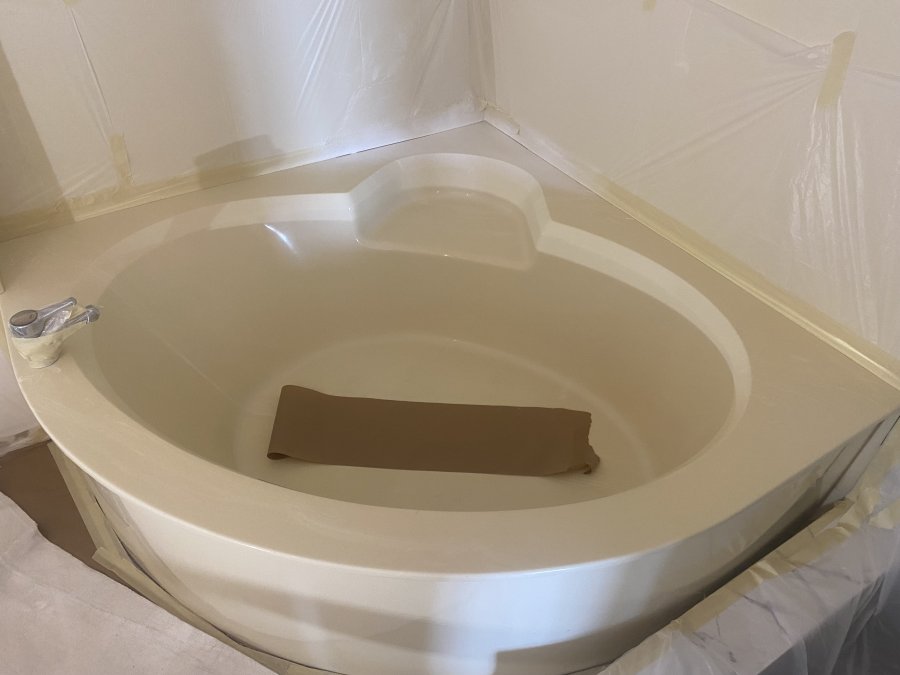
A bathroom exhaust fan alone is usually not enough for refinishing work. Standard residential fans are sized for humidity control, not solvent removal. Professional crews typically supplement with box fans positioned to create a cross-draft, pushing vapors toward an open window or a directed exhaust path.
What most guides miss is the “after” phase. The strongest odor and the highest vapor concentration often occur during the first hours of curing, not during spraying. If you close the door and walk away the moment the technician packs up, you’ve trapped exactly what you were trying to clear.
Practically, that means:
- Keep windows open and fans running for at least 24 hours after application
- Leave interior bathroom doors open where possible to prevent vapor pooling
- Avoid using the bathroom for anything other than brief access during the cure window
- Confirm with your contractor what their specific coating system requires, since cure times vary
Provincial workplace safety bodies treat solvent-based coatings as products requiring ventilation and respiratory protection during application. For a homeowner, the takeaway is simple: treat the bathroom as a workspace, not a living space, until the coating has fully cured.
How Long Does Bathtub Reglazing Smell Last?
How long does bathtub reglazing smell last? In most cases, the noticeable odor fades within 24 to 72 hours, with the strongest smell in the first 24 hours. Full curing can take longer, but the sharp solvent smell is typically gone within a few days.
Several factors stretch or shorten that window:
| Factor | Shorter Smell Duration | Longer Smell Duration |
|---|---|---|
| Ventilation | Cross-draft with fans and open windows | Closed bathroom, fan only |
| Coating type | Fast-drying systems | Slower-curing solvent coatings |
| Room size | Larger bathroom, more air volume | Small, sealed bathroom |
| Humidity | Low humidity, dry conditions | High humidity slows evaporation |
| Application | Thin, even coats | Heavy, uneven application |
The thing nobody tells you about the smell is that it’s a poor proxy for safety. A coating can smell strong and be curing normally, or smell mild while still off-gassing in a poorly ventilated space. Judge by the cure window your contractor gives you, not by your nose.
If you have sensitivities, asthma, or young children in the home, plan the refinishing job for a period when the bathroom can sit undisturbed. Many Toronto homeowners schedule reglazing before a trip or during a stretch when a second bathroom is available.
Closing the bathroom door and turning off ventilation right after the technician leaves is the most common mistake. It traps solvent vapors at their peak concentration and can leave a lingering odor for days longer than necessary.
Professional vs DIY Bathtub Reglazing Safety
Professional versus DIY bathtub reglazing safety is not a close contest on the risk side. DIY kits expose homeowners to the same solvents professionals handle, without the training, respirators, or ventilation setup that make the work manageable.
The materials in a refinishing kit are not household-grade. They contain solvents and bonding agents that require respiratory protection, skin coverage, and eye protection during application. Professional technicians are trained to work with these materials and typically use supplied-air or cartridge respirators rather than dust masks.
There’s also the question of outcome. A poorly bonded DIY coating can peel, chip, or blister within months, which means you’ve absorbed the chemical exposure and still need the tub redone. A professional job with a proper bonding process and a durable coating system avoids that double cost.
For most people refinishing a bathroom inside a lived-in home, hiring trained technicians is the lower-risk path.
If you’re comparing quotes, ask what respiratory protection the crew uses and how they handle ventilation. A contractor who can answer that specifically is usually the one who takes the rest of the job seriously too.
How to Vet a Bathtub Reglazing Company in Toronto
Vetting a bathtub reglazing company in Toronto starts with three checks: licensing and insurance, the coating system they use, and the guarantee they’re willing to put in writing. Everything else is secondary.
Ask for proof of insurance before work begins. A legitimate operator carries liability coverage, and a handyman who “disappears when something goes wrong” usually never had it. Ask which coating system they apply and how long it takes to cure. Ask what happens if the finish chips or peels within the guarantee period.
A short screening checklist:
- Request a certificate of insurance and confirm it’s current
- Ask how many years the company has operated in the GTA
- Ask which coating system they use and its expected lifespan
- Get the guarantee terms in writing, including what voids it
- Confirm the crew’s ventilation and PPE practices
- Ask whether they handle multiple units or commercial properties
- Check whether the quote includes surface prep and crack repair
For landlords and property managers, the multi-unit question matters. Refinishing five bathrooms one at a time over several weeks disrupts tenants and drags out the project. A crew set up for volume can often work through units more efficiently.
Century BathTubs has served residential and commercial clients in Toronto and the GTA since 1995, using a durable EP-ACRYLIC coating system and offering a three-year hassle-free guarantee. The team is licensed and insured, and the coating is designed to dry fast and extend the life of the tub rather than replace it.
Common Safety Mistakes Homeowners Make
The most common safety mistakes in bathtub reglazing are ventilation shortcuts, premature use of the bathroom, and skipping protective measures because the job “seems small.”
Mistake one is treating a bathroom exhaust fan as sufficient. It isn’t, and relying on it alone is the fastest way to a lingering smell and prolonged vapor exposure.
Mistake two is using the tub too soon. Coating systems need time to cure, and early use can damage the finish and trap you in a redo. Follow the contractor’s cure window exactly.
Mistake three is going without PPE during DIY work. Solvent exposure affects the lungs, skin, and eyes, and a dust mask does nothing against vapors.
Mistake four is ignoring the age of the tub. Older cast iron and porcelain tubs can carry lead in the original glaze, and refinishing is one way to seal that surface rather than disturb it. If you’re unsure what your tub is made of or how old it is, that’s worth raising before work starts.
Mistake five is hiring on price alone. The cheapest quote often skips surface prep, insurance, or both. What looks like a bargain can cost more once the finish fails.
Refinishing a tub indoors is a manageable project when the process is handled properly, and a frustrating one when it isn’t.
Frequently Asked Questions
Are the fumes from bathtub reglazing toxic?
Fumes contain volatile organic compounds (VOCs) from the coatings and solvents used. Professional reglazing uses products that meet Canadian VOC concentration limits, which reduces the risk when combined with proper ventilation. DIY kits often contain higher-VOC formulas. The main concern indoors is inhaling concentrated fumes in a poorly ventilated bathroom. If the area is sealed off and exhaust ventilation runs continuously during and after application, exposure drops significantly. Anyone with asthma or chemical sensitivity should leave the home during the process and for the recommended curing period.
How long should I stay out of the house after bathtub reglazing?
Most professionals recommend staying out of the bathroom for 24 hours and keeping the space ventilated for at least 48 to 72 hours. The coating needs time to cure, and fumes are strongest in the first day. If the bathroom has no window, run the exhaust fan continuously and keep the door closed. Full cure typically takes several days, but the noticeable odor should fade within two to three days with good airflow. Century BathTubs uses a fast-drying EP-ACRYLIC system that reduces the window compared to older solvent-based coatings.
Is DIY bathtub reglazing safe for indoor use?
DIY reglazing is possible but carries higher safety risks than hiring a professional. Consumer kits often have stronger fumes, less precise application, and no industrial ventilation equipment. Without proper respirators and airflow, VOC exposure can cause headaches, dizziness, and respiratory irritation. DIY results also tend to chip or peel sooner, which means you may need to redo the work and face the same chemical exposure again. Professional refinishers use trained application methods and controlled ventilation that make indoor work safer for everyone in the home.
How can I tell if a refinishing company uses safe ventilation practices?
Ask three questions before booking: what coating system they use, how they ventilate the workspace, and what curing time they recommend before you use the tub. A reputable company will explain their exhaust setup, provide safety data sheets for their products, and confirm they are licensed and insured. Century BathTubs has been licensed and insured since 1995 and uses a low-odor EP-ACRYLIC coating system.