

Table of Contents
- Understanding Your Reglazed Bathtub: Initial Curing and Aftercare
- Best Cleaners for Reglazed Bathtubs: Safe Products and Formulas
- Can You Use Bleach on a Reglazed Bathtub? Chemical Safety Guide
- How to Prevent Peeling on Reglazed Tub: Protecting Surface Longevity
- Daily Maintenance Routines for How to Maintain Reglazed Bathtub Finish
- Cleaning Frequency and Seasonal Deep Cleaning
- Non-Slip Mats and Bathtub Accessories: Safe Options
- Water Quality Impact: Hard Water and Mineral Buildup Prevention
Last Updated: July 14, 2026
Understanding Your Reglazed Bathtub: Initial Curing and Aftercare
The first week after reglazing is more important than the next three years of maintenance combined. During this time, the coating undergoes a chemical transformation that bonds it to the underlying surface. Rush this process, and you’re essentially guaranteeing peeling, chipping, and premature failure.
The Critical Curing Period
Your reglazed bathtub needs 24-48 hours before you can safely use it with water. During this window, the EP-ACRYLIC coating system undergoes initial hardening and remains vulnerable to moisture, temperature fluctuations, and physical contact.
For the first seven days, avoid taking showers or baths in the tub. After seven days, you can resume light use with brief showers, but avoid soaking or extended water exposure for another week.
Keep the bathroom between 60-75°F during curing. Extreme heat accelerates curing but can create surface irregularities, while cold slows the process and can leave the coating soft. Maintain moderate humidity and ensure ventilation by opening a window or running the exhaust fan to prevent moisture from settling on the fresh coating.
Why Aftercare Instructions Matter
The instructions that come with your refinished bathtub are the maintenance roadmap that separates a three-year finish from a ten-year finish. Aftercare prevents two main failure modes: chemical damage from harsh cleaners and physical damage through scratching or impact. Both are preventable with the right approach.
Your refinished surface has a protective layer that is durable but not indestructible. Treat it like you’d treat a car’s paint: protective, not invulnerable.
Best Cleaners for Reglazed Bathtubs: Safe Products and Formulas
Harsh scrubbing products will destroy a reglazed surface in weeks. The coating is smooth, beautiful, and vulnerable to the wrong chemistry. Use mild detergents and non-acidic cleaners that dissolve soap scum and mineral deposits without attacking the finish.
Mild Detergents and Liquid Dish Soap
Liquid dish soap is your best friend for daily cleaning. Mix one tablespoon with warm water in a spray bottle, spray the surface, let it sit for two minutes, and wipe with a soft cloth or microfiber sponge. This handles 90% of routine cleaning.
For weekly cleaning, fill the tub with warm water and add a quarter cup of dish soap. Let it soak for 15 minutes, then drain and wipe down the walls with a soft cloth. Never use abrasive scouring pads or stiff brushes, a microfiber sponge or soft cloth is all you need.
Non-Acidic Cleaners for Soap Scum and Mineral Deposits
Baking soda mixed with water creates a gentle paste that removes soap scum without damaging the finish. Make a paste (three parts baking soda to one part water), apply it to problem areas, let it sit for five minutes, and wipe gently with a soft cloth.
For stubborn mineral deposits, avoid vinegar, it is acidic and will damage the reglazed surface. Instead, use a commercial non-acidic bathroom cleaner like Scrubbing Bubbles or similar products designed for acrylic surfaces. Check the label; if it says "non-acidic" or "safe for acrylic," it’s safe for your reglazed tub.
Test any new cleaner on a small, inconspicuous area first. Apply it, wait five minutes, and rinse thoroughly. If the surface looks unchanged and feels normal, it’s safe to use on the whole tub.
Can You Use Bleach on a Reglazed Bathtub? Chemical Safety Guide
The short answer is no. Bleach damages reglazed surfaces, and the damage is often invisible until it’s too late. Bleach is a powerful oxidizer that breaks down the chemical bonds in the coating, weakening adhesion and creating microscopic damage that compounds over time.
Chemicals to Avoid Completely
Acidic cleaners (vinegar, lemon juice, citric acid, phosphoric acid) dissolve mineral deposits but simultaneously etch the coating. Abrasive powders like Ajax and Comet scratch the surface; even one use can create visible scratches. Ammonia-based cleaners like Windex strip the protective properties of the coating. Acetone and alcohol-based products dissolve the coating. Steel wool and stiff brushes create visible scratches and damage the finish over time.
Anything harsh, acidic, abrasive, or caustic damages the coating. Stick to mild, neutral-pH cleaners and soft cloths.
Safe Alternatives to Harsh Cleaners
Baking soda and water is your primary heavy-duty option for soap scum, hard water stains, and stubborn residue. Castile soap (plant-based liquid soap like Dr. Bronner’s) is stronger than dish soap but still gentle on the coating. Hydrogen peroxide (3% solution) is safe for acrylic and effective against mildew. Commercial acrylic-safe cleaners designed for fiberglass and acrylic tubs are formulated to clean without damage.
For mildew prevention, ensure good ventilation after showers. Run the exhaust fan for 20 minutes after each use and wipe down walls with a dry cloth to prevent moisture from settling.
How to Prevent Peeling on Reglazed Tub: Protecting Surface Longevity
Peeling starts as tiny blisters or lifting at the edges, then spreads. Once peeling begins, only professional recoating can fix it. Peeling happens when the coating loses adhesion to the underlying surface through chemical damage, moisture intrusion, or physical damage. All three are preventable with proper maintenance.
Avoiding Abrasive Scouring Pads and Stiff Brushes
Abrasive scouring pads create microscopic scratches that accumulate into visible damage and expose the layer beneath the coating, allowing moisture to penetrate and cause adhesion failure. Never use scouring pads, steel wool, or stiff brushes. A soft microfiber sponge, soft cloth, or soft-bristled brush is the only tool you should use.
When you clean, use gentle circular motions and let the cleaner do the work. If something requires hard scrubbing to remove, switch to a stronger (but still safe) cleaner, not a rougher tool.
Suction cup mats are safe because they don’t bond to the surface. Adhesive mats can damage the coating when removed. If you’ve used an adhesive mat, remove it very carefully by peeling slowly from one corner to avoid pulling up the finish.
Proper Drying and Ventilation Techniques
Water sitting on the reglazed surface creates conditions for adhesion failure. Minerals in the water deposit on the coating, and excess moisture allows mold and mildew to grow. After each use, wipe down the entire tub with a dry cloth or squeegee to prevent water spots and mineral deposits.
Run the exhaust fan for 20 minutes after every shower. If you don’t have an exhaust fan, open a window. Leave the shower curtain or door open after bathing to allow air circulation and faster evaporation. In winter, when bathrooms are colder and condensation becomes a bigger problem, increase ventilation time.
Daily Maintenance Routines for How to Maintain Reglazed Bathtub Finish
A reglazed bathtub isn’t maintenance-free, but the routine is simple. Consistency matters far more than intensity. Five minutes of daily care prevents weeks of deep cleaning.
Step 1: Rinse Immediately After Use
After you shower or bathe, rinse the entire tub with clean water to remove soap residue, body oils, and dirt. Soap residue left to dry hardens and becomes difficult to remove later. Fresh water dissolves it instantly. This single step prevents soap scum buildup.
Step 2: Use a Soft Cloth or Microfiber Sponge
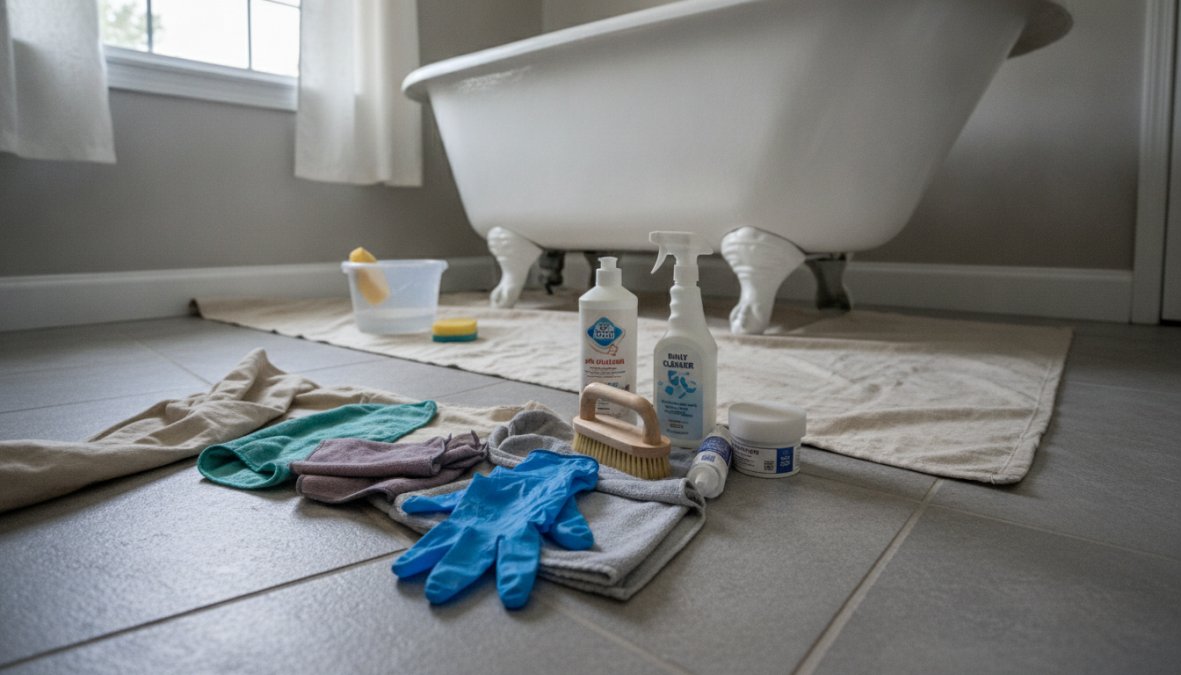
After rinsing, wipe down the entire surface with a soft cloth or microfiber sponge. Microfiber is ideal because it grabs moisture and residue without requiring pressure. Wipe the walls, floor, and any fixtures, paying special attention to corners where water tends to pool. This wiping step takes 90 seconds and removes 95% of remaining moisture.
Step 3: Dry Thoroughly to Prevent Mildew
Leave the bathroom door open and the exhaust fan running for 20 minutes. This final drying step prevents mildew from establishing a foothold. If you notice any water pooling in corners or low spots, squeegee it toward the drain.
Cleaning Frequency and Seasonal Deep Cleaning
Daily maintenance prevents buildup, but periodic deeper cleaning keeps your reglazed finish looking new.
| Cleaning Task | Frequency | Duration | What to Use |
|---|---|---|---|
| Daily rinse and wipe | After each use | 2-3 minutes | Warm water, soft cloth |
| Weekly cleaning | Once per week | 10-15 minutes | Dish soap, microfiber sponge |
| Monthly deep clean | Once per month | 20-30 minutes | Baking soda paste or acrylic-safe cleaner |
| Seasonal hard water treatment | Every 3 months | 30-45 minutes | Hydrogen peroxide or commercial acrylic cleaner |
Once a week, mix dish soap with warm water, spray the entire surface, let it sit for five minutes, and wipe with a soft cloth. Pay attention to the drain area and around fixtures where residue concentrates. After wiping, rinse thoroughly with clean water.
Once a month, address mineral deposits and stubborn soap scum with a baking soda paste. For hard water stains, spray hydrogen peroxide on the affected area, let it sit for 15 minutes, and wipe clean. In areas with very hard water, increase the frequency to every two weeks.
Non-Slip Mats and Bathtub Accessories: Safe Options
Safety mats are essential, especially in households with children or elderly people. The challenge is finding mats that don’t damage the reglazed surface while providing reliable traction.
Suction Cup Mats vs. Adhesive Alternatives
Suction cup mats are the safest option for reglazed bathtubs. They grip the smooth surface without bonding to it and peel away cleanly without damaging the coating. Make sure the mat is rated for acrylic or fiberglass surfaces and check that suction cups are in good condition.
Adhesive mats are problematic because the adhesive bonds to the coating, and removal can pull the finish with it. If you have an adhesive mat currently installed, remove it very carefully by peeling from one corner slowly and steadily. Rubber or foam mats without suction cups or adhesive are acceptable if designed for acrylic surfaces and not abrasive on the bottom.
After removing any mat, wash the area where it sat. Mats can trap moisture underneath, creating conditions for mildew or coating damage.
Water Quality Impact: Hard Water and Mineral Buildup Prevention
Hard water minerals, primarily calcium and magnesium, deposit on the reglazed surface every time water sits or evaporates. Over months, these deposits create a cloudy, dull appearance and can contribute to coating damage.
Testing your water hardness is simple. Buy an inexpensive test kit from a hardware store, or contact your local water utility for a free analysis. Anything above 60 ppm is considered hard.
Prevention is better than removal. After each use, wipe the surface dry to prevent water from evaporating and leaving mineral deposits. This single step reduces mineral buildup by 80%.
For existing mineral deposits, hydrogen peroxide is safe and effective. Spray it on, let it sit for 15 minutes, and wipe clean. Repeat monthly to prevent heavy buildup. Never use vinegar or acidic cleaners to remove mineral deposits, they damage the coating. Hydrogen peroxide and baking soda are slower but safe alternatives.
If your water is extremely hard, consider installing a water softener for your whole house or at least for the bathroom.
Repairing Minor Chips vs. Professional Recoating
Small chips or cracks occasionally happen despite careful maintenance. Minor chips smaller than a quarter-inch can be addressed with touch-up kits designed for acrylic bathtubs. These kits include epoxy or acrylic compound that fills the chip and hardens, preventing water from penetrating and causing further damage.
For larger chips or if the coating is peeling, professional recoating is necessary. Attempting to patch large damage usually fails because the underlying surface has been compromised. A professional will strip the damaged area, prepare the surface, and reapply the coating properly.
If you notice peeling or blistering, contact a professional immediately. Peeling spreads quickly once it starts, and early intervention prevents the damage from expanding.
How to maintain reglazed bathtub surface ultimately comes down to consistency and using the right products. Daily rinsing and wiping, weekly mild cleaning, monthly deeper maintenance, and proper ventilation create conditions where your finish thrives.
Homes that follow these guidelines routinely exceed three years, many reaching five or six years before recoating becomes necessary. Homes that skip maintenance often see problems within 18 months. Your reglazed bathtub is an investment in your home’s value and your daily comfort. Protecting that investment requires nothing more than the simple routines outlined here. If you have questions about maintaining your finish or notice any damage, contact Century BathTubs for professional guidance and recoating services.
Frequently Asked Questions
What cleaning products are safe for a reglazed bathtub?
Safe cleaners for your reglazed bathtub include mild detergents, liquid dish soap like Dawn, and non-acidic cleaners. Use a soft cloth or microfiber sponge to apply them. Avoid abrasive scouring pads, steel wool, and harsh chemical cleaners like bleach or Ajax, which can damage the refinished surface and compromise finish integrity. Always rinse thoroughly with warm water after cleaning.
Can you use bleach on a reglazed bathtub?
No, you should not use bleach on a reglazed bathtub. Bleach is too harsh and can cause chemical damage to the EP-ACRYLIC coating or other refinishing materials. It may lead to discoloration, peeling, or deterioration of the surface. Instead, use non-acidic cleaners or natural alternatives like vinegar and baking soda for mildew prevention and stain removal while protecting your coating durability.
How long does a reglazed bathtub last with proper maintenance?
With proper maintenance and care, a reglazed bathtub can last many years. Century BathTubs provides a three-year hassle-free guarantee on all professional refinishing work. The longevity of your refinished surface depends on following aftercare instructions, using appropriate cleaning products, maintaining proper curing time after reglazing, and avoiding abrasive tools and harsh chemicals. Regular daily maintenance routines significantly extend surface longevity.
How soon can I use my bathtub after it has been reglazed?
The initial curing period is critical for your reglazed bathtub. Most professional refinishing requires a specific curing time before you can use the tub, typically 24-48 hours depending on the coating system used. During this curing time, avoid water contact and keep the bathroom well-ventilated. Always follow the specific aftercare instructions provided by your refinishing professional to ensure the coating hardens properly and achieves maximum durability.
This article was written using GrandRanker